



Why This Matters
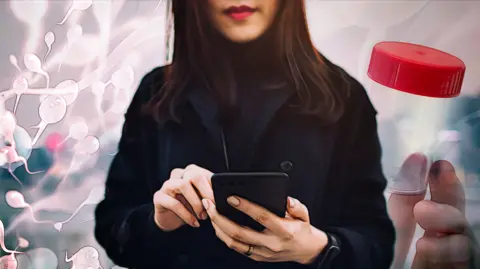
A BBC Wales investigation has highlighted a growing, unregulated online sperm market in the UK, where women shut out of formal fertility care are turning to private donors they meet on social media. Regulators say this leaves people vulnerable to exploitation and health risks.
The story taps into broader pressures around access to fertility treatment. In the UK, as in many countries, public funding and clinic criteria can leave same-sex couples, single women, and older women facing long waits or high private costs. Some then seek cheaper, informal options online.
The investigation also raises questions about law and consent in an era when intimate services are being advertised as casually as online dating. UK authorities warn that operating an unlicensed sperm donation service can be a criminal offense, and informal arrangements may leave parents, children, and donors in legal uncertainty.
Key Facts and Quotes
Posing as a potential recipient, a BBC Wales journalist contacted a man using the name “Joe Donor,” a prolific, self-described donor who has claimed to have helped conceive more than 180 children worldwide. A family court judge in Cardiff has previously identified him as Robert Albon, to warn about unregulated sperm donation.
According to the investigation, Albon agreed to send a next-day sperm sample through the mail for 100 in cash, without checking the recipient’s identity or sharing health information. The sample arrived in a syringe in a box cooled with a frozen carton of tomato passata. When a licensed clinic tested it four hours later, staff reported that all sperm cells were dead.
Albon questioned how the sample had been stored, insisting he had “many successful pregnancies” using his method. The UK’s fertility regulator, the Human Fertilization and Embryology Authority (HFEA), told the BBC that women seeking sperm informally are at risk of “exploitation by predatory donors” and said donations outside licensed premises fall into an unregulated category.
The reporter also joined Facebook donor groups, some of which had tens of thousands of members. While a few men offered what appeared to be straightforward artificial insemination, many messages pushed for sex, requested intimate photos, or tried to negotiate payments. One woman in a group warned that she had unknowingly received sperm from a convicted sex offender.
Tianna and her wife Nikki, from South Wales, told the BBC they felt shut out of National Health Service funding and priced out of private clinic care, so they turned to online donors. “You do get weirdos who are in it for the complete wrong reasons,” Tianna said, describing websites that worked like a mix of a catalog and a dating app. The couple eventually found a donor through a co-parenting site and signed a contract about parental rights, but they were advised that such contracts are not legally binding. “Obviously, we took a risk,” Tianna said. “But it was so worth it.”
What It Means for You
For anyone considering donor conception, this latest update underlines the trade-offs between convenience, cost, safety, and legal protection. Licensed clinics are more expensive, but regulators say they offer medical screening, traceability, and clearer rules about who is a legal parent.

Unregulated donation arranged on social media or matching websites may be cheaper or faster, but it can come with serious unknowns: donor health, consent around sex, future contact, and potential legal disputes over parental rights. Experts advise anyone exploring these routes to seek independent legal and medical advice before proceeding.
What safeguards, legal or medical, do you think should be required when people arrange something as sensitive as sperm donation over the internet?
Sources
BBC Wales Investigates report by Gemma Dunstan, “Unofficial sperm donor sells BBC ‘baby batter’ delivered with tomato passata,” published June 8, 2026; Public guidance and statements from the UK Human Fertilization and Embryology Authority (HFEA) on sperm donation, legal parenthood, and licensed clinics, accessed 2024.