



Why This Matters
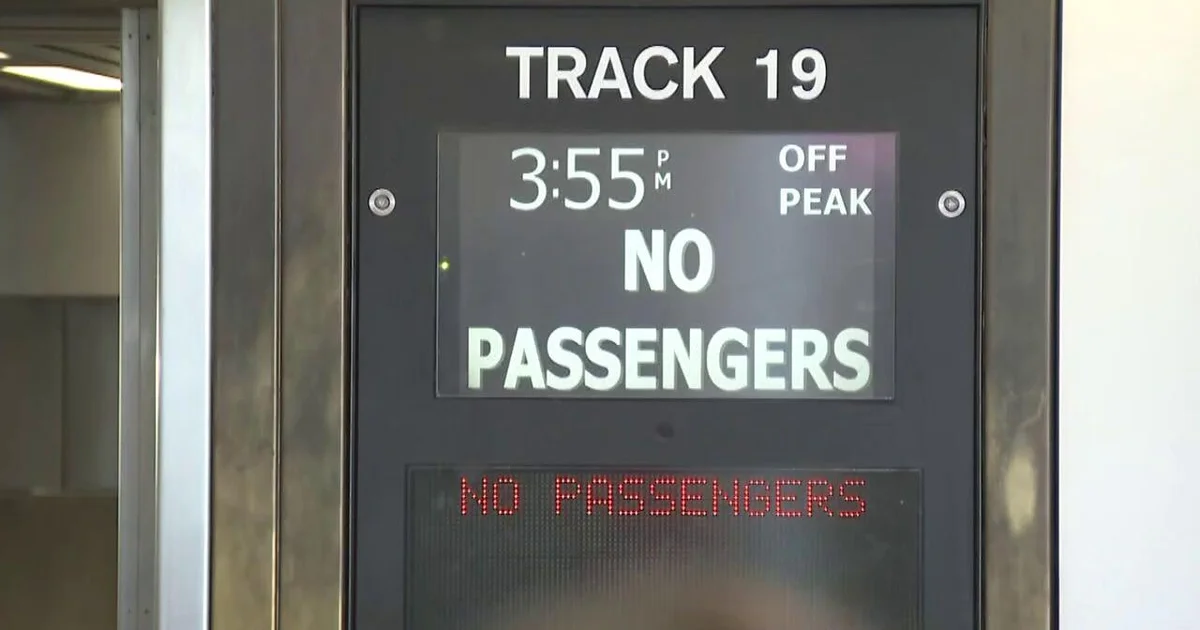
Long Island Rail Road, the largest commuter rail system in North America, is shut down for a third straight day, forcing riders into hours-long commutes by bus, subway, and car. On a normal weekday, more than 250,000 people rely on LIRR trains to reach New York City.
The walkout stems from a contract dispute between the Metropolitan Transportation Authority and multiple rail unions over wages and health care costs for new hires. The outcome will affect thousands of workers and could shape how future public-sector labor disputes over benefits are handled.
The disruption is also rippling across the wider transportation network. Subway platforms are more crowded, highways on Long Island and in the outer boroughs are backing up, and employers are scrambling as some workers cannot do their jobs remotely.
Key Facts and Quotes
According to CBS News New York, the National Mediation Board, the federal agency that handles rail labor disputes, called both sides into talks Sunday night. After hours of negotiations, no deal was reached, and discussions resumed at 7:30 a.m. Monday, as the strike entered its third day.
Union representatives say the standoff centers on the final year of a four-year contract. The MTA had agreed to 9.5% wage hikes and was reportedly only a percentage point apart from the unions on the last year, but union sources say management then sought to raise health care contributions for new hires from 2% to 10%.
“We’re looking for a modest raise in our wages,” union representative Raymond Delio said. “Health insurance should never be on the table; we work hard enough.” MTA Chairman and CEO Janno Lieber, who described feeling “cautious optimism” as talks resumed, has said LIRR workers are among the highest-paid rail employees in the country, and that management is “more than willing to meet them halfway.”
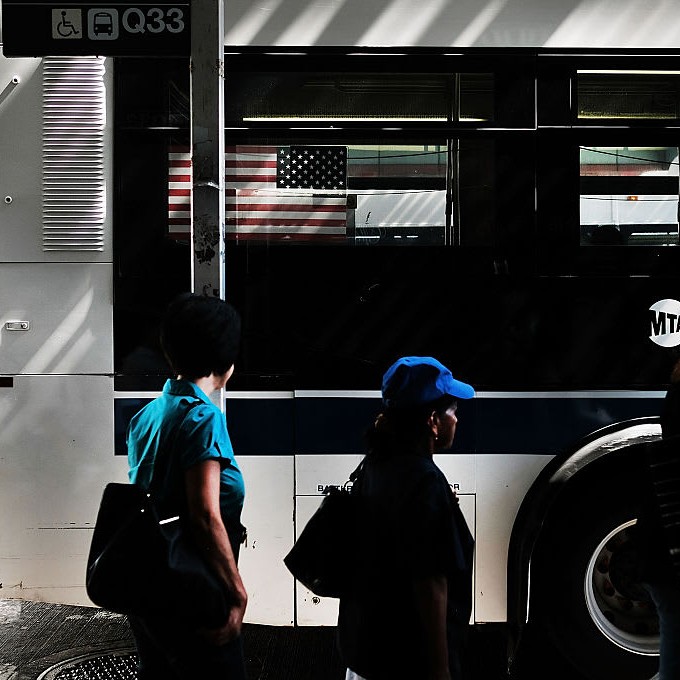
On the ground, experiences vary. Lieber said turnout for replacement buses on Monday morning was light, with more than enough seats at some stations. Reporters on the scene saw open seats on shuttle buses at Ronkonkoma, while subway platforms at Howard Beach-JFK Airport were packed with people trying to reach the city. One commuter starting a new job called the timing “very inconvenient,” and another rider in Jamaica, Queens, accused the unions of being “greedy,” reflecting frustration among some passengers.
What It Means for You
The MTA is running 275 free shuttle buses from six LIRR stations into Queens, but those buses can only handle about 13,000 daily riders, far below normal rail ridership. Officials are urging anyone who can work from home to do so. Even if a deal is reached quickly, the railroad expects to need at least a full day to inspect tracks, equipment, and signals and to position crews before full service can resume.
Former New York City transportation commissioner Sam Schwartz warned that the “commuter nightmare” will have wide effects, including more crowded subway trains and heavier traffic on key routes such as the Belt Parkway and Gowanus Expressway. Commuters may want to leave earlier than usual, consider carpooling or alternative routes, and watch for updates from transit officials as negotiations continue.
How do you think cities and transit agencies should balance supporting essential workers’ labor demands with protecting commuters from prolonged disruptions?
Sources
CBS News New York reporting by Elijah Westbrook, Christina Fan, and Aziza Shuler, May 18, 2026; statements from MTA Chairman and CEO Janno Lieber and union representative Raymond Delio as reported in the same coverage; comments from former New York City Department of Transportation Commissioner Sam Schwartz as reported by CBS News New York, May 18, 2026.