



TL;DR
Five players from Iran’s women’s national soccer team will be allowed to remain in Australia after refusing to sing the national anthem, fleeing team officials, and seeking protection during the Asian Cup.
Why This Matters
The case of the Iranian women’s soccer players sits at the intersection of sports, politics, and human rights. When national teams compete abroad, athletes often become visible symbols of their governments, leaving little room for dissent without risk of punishment at home.
These players’ refusal to sing Iran’s national anthem and their decision to seek safety in Australia highlight broader pressure on women and activists inside Iran. Their move also echoes other athlete protests in recent years, from Olympic gestures to kneeling during anthems, and shows how global sports events can become stages for political expression.
For Australia, the situation tests its refugee and human rights policies at a time of heightened tension described by officials as a U.S.-Israeli conflict with Iran. For international sports bodies, it raises fresh questions about what protections should exist when athletes say they fear persecution, especially when government security escorts accompany national teams.
Key Facts & Quotes
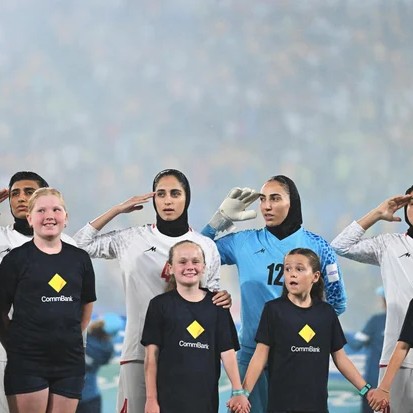
According to Australian officials and international reports, five members of Iran’s women’s national soccer team refused to sing or salute the national anthem before a March 2 Asian Cup match against South Korea on the Gold Coast. Conservative voices inside Iran labeled them “traitors,” and state television accused them of “the pinnacle of dishonor.”
In two later matches, the players did sing the anthem. A correspondent for an exiled Iranian news channel, speaking to Australia’s public broadcaster, said it was “completely obvious” the players were pressured by Iranian security staff traveling with the team, claiming they were pushed not only to sing but to give a military-style salute.
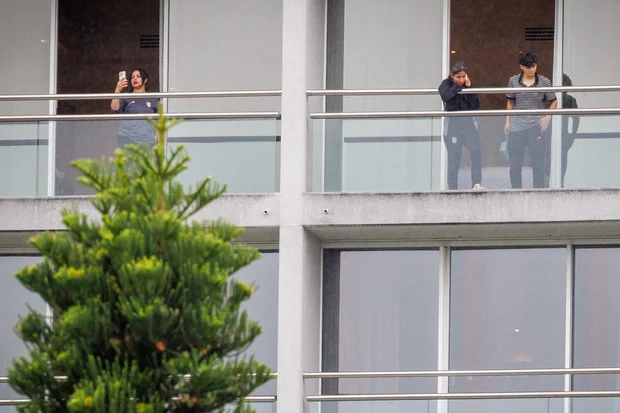
After Iran exited the tournament, fans carrying pre-Islamic monarchy flags surrounded the team bus outside the stadium, a British newspaper reported, chanting “let them go” and displaying banners reading “Stay Safe in Australia. Talk to Police.” Local police eventually cleared the road. The five players later slipped away from the team and were taken to a safe location with community support, according to Australian media.
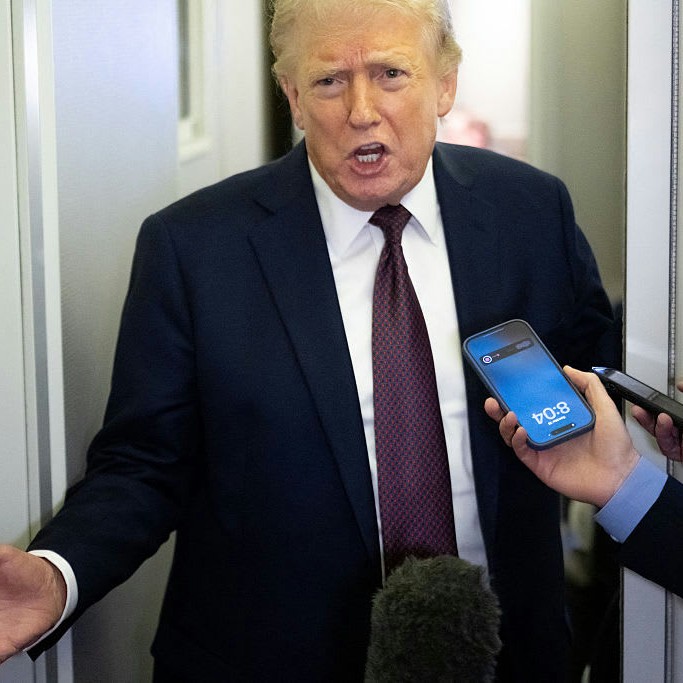
Australia’s Home Affairs Minister Tony Burke said on X that he told the five they were “welcome to stay in Australia, to be safe and have a home here.” The country’s Home Affairs Department has not publicly detailed their legal status. Former U.S. President Donald Trump said on his social media platform that he spoke with Australian Prime Minister Anthony Albanese, writing, “He’s on it! Five have already been taken care of, and the rest are on their way.”
Australia granted asylum to five members of the Iranian women’s soccer team who were visiting the country for a tournament when the Iran war began, a government minister said. https://t.co/ZFNn0Tn2Qc pic.twitter.com/DMMAfhRQRO
— SBN MEDIA (@PETE_Breaking) March 10, 2026
Craig Foster, a former Australian men’s captain and human rights advocate, told a British public broadcaster, “We all have very reasonable and serious concerns for their safety,” adding that any team in a global tournament “must have the right to safety and external support.”
What It Means for You
For readers, this latest update is a reminder that international sports are no longer insulated from geopolitics. Decisions made on the field – including standing silently during anthems – can shape lives long after the final whistle, especially for athletes from authoritarian states.
The case may influence how future tournaments handle claims of persecution, and how host countries balance visa rules with human rights commitments. It also shows how quickly social media, diaspora communities, and high-profile politicians can pressure governments to act.
In the months ahead, watch for formal decisions on asylum for these players, any response from Iranian authorities, and whether soccer’s governing bodies introduce clearer safeguards for athletes who say they fear going home. How those questions are answered could affect not only Iranian players but also athletes worldwide, considering whether to speak out.
How do you think host nations and sports organizers should respond when visiting athletes say they fear political persecution if they return home?