


Why This Matters
A BBC investigation says an arson attack on property linked to UK Prime Minister Sir Keir Starmer was directed by a Russian state-linked operative using a young Ukrainian migrant as a proxy. If accurate, the findings point to a foreign sabotage campaign reaching directly into the personal life of a sitting head of government.
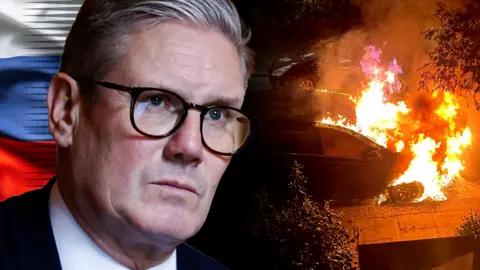
The report describes a broader Russian effort that mixes online propaganda, fake political groups, and low-level crimes to inflame tensions in the UK. For Western countries, including the United States, it offers a case study in how modern “hybrid” tactics can blur the line between misinformation, hate campaigns, and physical attacks.
Key Facts and Quotes
According to the BBC, 22-year-old Ukrainian builder Roman Lavrynovych was convicted in a London court on Monday of conspiring to commit arson after setting fire to a home connected to Sir Keir Starmer. Messages cited by the BBC show his anonymous handler, known as “EL”, telling him: “Look, you attacked the home of a very high-ranking person in Britain. I’ll send you money, you need to leave the city.” Lavrynovych was arrested within hours.
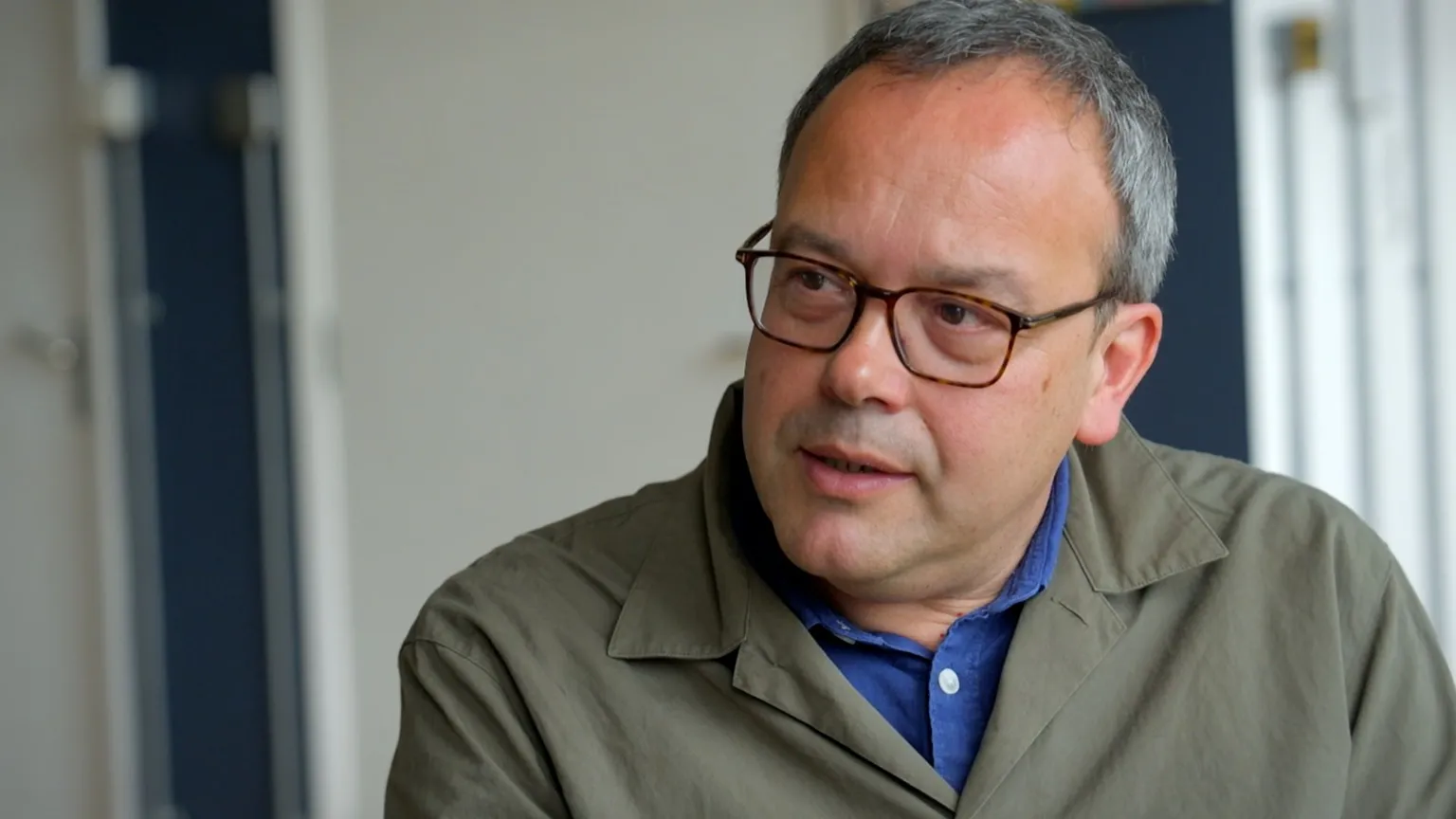
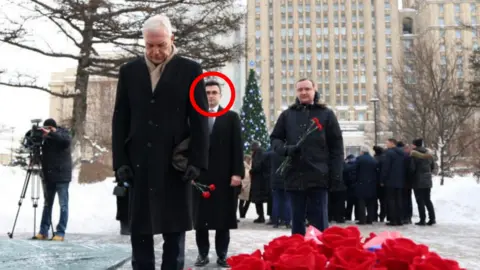
The BBC reports that EL recruited Lavrynovych through a Telegram group for Ukrainians in London seeking work, first directing him to put up posters and graffiti before pushing him toward arson. The investigation says chat records show EL praising Russian President Vladimir Putin and offering Russian citizenship and money in return for more attacks. Based on documents, online traces, and expert analysis, the BBC identifies EL as 23-year-old Russian diplomat Evgeny Lyukshin, the son of a senior official. The report does not cite any public response from Lyukshin or Russian authorities to these specific claims.
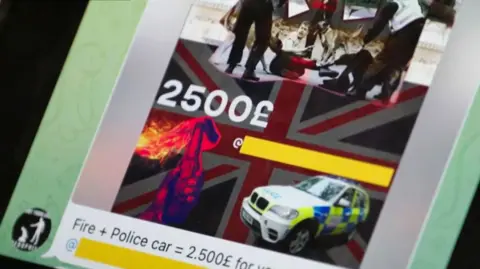
The investigation also links the case to a fake far-right brand called Direct Action UK, which the BBC says was run by Russian operatives. The group allegedly used encrypted channels and social media to promote violence and hatred, including offers of cash for attacks on police, while hiding its real origins. “Direct Action UK, a fake far-right group run by Russian operatives, used online channels to promote violence and hatred while disguising its true purpose,” the BBC report says. UK groups that monitor extremism, including Hope Not Hate and Tell Mama, warned authorities about the activity, but police responses were described as limited or delayed.
What It Means for You
For the public, this latest update illustrates how foreign influence operations can arrive in everyday spaces: job-hunting chat rooms, anonymous political pages, or small protest networks. People who think they are helping a cause or just earning quick money can, according to this case, be drawn step by step toward serious crimes.
The story also highlights a growing challenge for law enforcement and technology companies in the UK, US, and other democracies. Officials must decide how to detect and disrupt covert, foreign-backed networks that mix speech, propaganda, and real-world plotting, without sweeping up legitimate dissent or peaceful activism in the process.
What safeguards do you think governments and online platforms should strengthen to reduce the risk of foreign-backed campaigns turning from disinformation into real-world violence?
Sources
BBC News investigation by Daniel De Simone, BBC News Investigations, published 15 June 2026, including court proceedings and messaging records as described in the report.