



Why This Matters
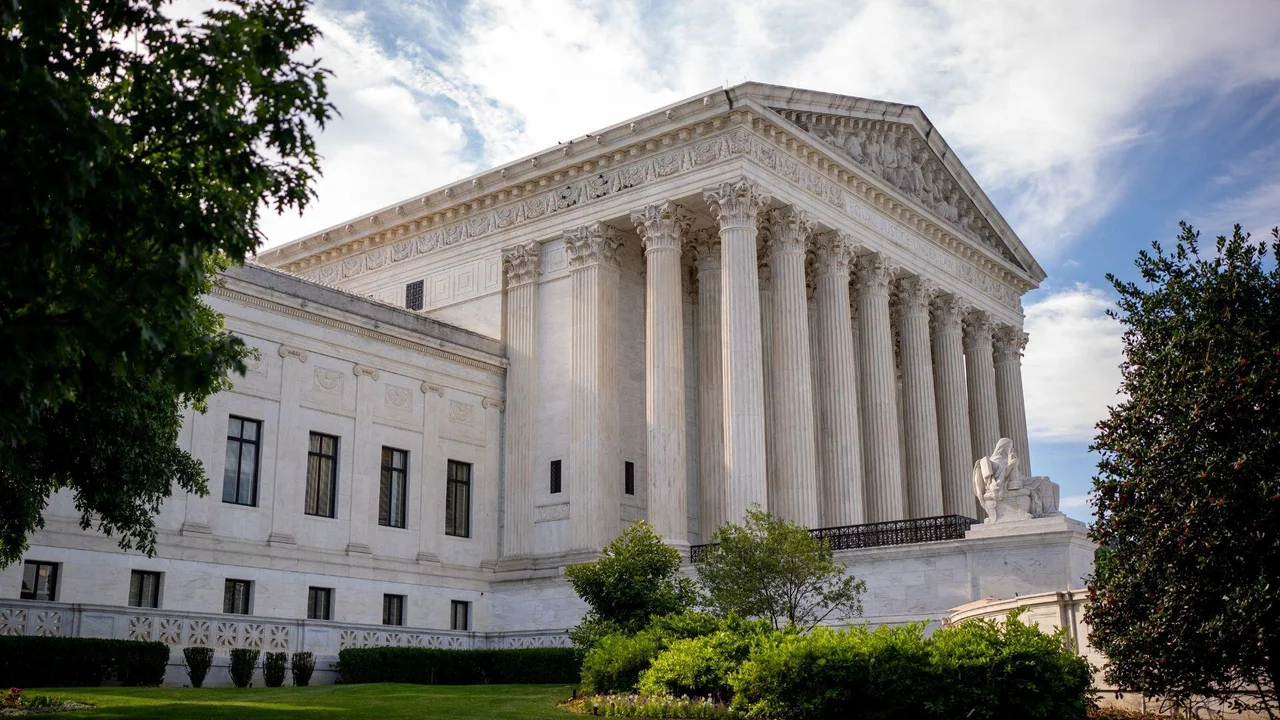
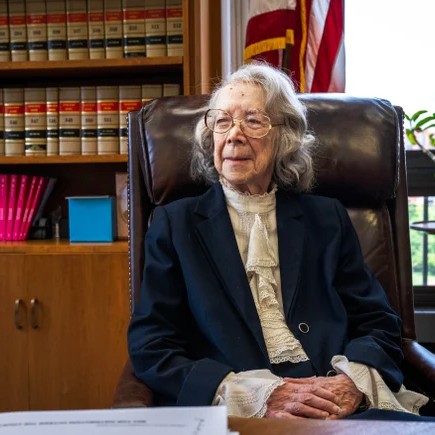
The Supreme Court on Monday declined to hear an appeal from Judge Pauline Newman, a 98-year-old member of the U.S. Court of Appeals for the Federal Circuit, effectively leaving in place a years-long suspension that has barred her from hearing cases. The high court turned away her petition without comment.
The dispute reaches beyond one judge. It raises hard questions about how the federal judiciary handles concerns about aging or impaired judges, who hold lifetime appointments under the Constitution but are also subject to internal oversight under federal law.
The Newman case is unusual because it involves a prominent, long-serving judge in a specialized court that oversees patents, international trade, and certain claims against the federal government. How her suspension has been handled could influence future debates over judicial independence, internal discipline, and transparency in the federal courts.
Key Facts and Quotes
Judge Newman, appointed to the Federal Circuit in 1984 by President Ronald Reagan, has long been a leading voice in patent and intellectual property law. Over more than four decades on the bench, she has written hundreds of dissenting opinions, earning the nickname “the Great Dissenter,” according to court records.
Concerns about her fitness surfaced several years ago. In an order from Chief Judge Kimberly Moore, the court cited health issues in 2021 and a fainting episode in 2022, as well as reports from judges and staff that Newman struggled to keep up with her workload. Moore wrote that there was “probable cause to believe that Judge Newman’s health has left her without the capacity to perform the work of an active judge and that her habitual delays are prejudicial to the efficient administration of justice.”
A special committee of Federal Circuit judges investigated and directed Newman to undergo neurological and neuropsychological testing, share medical records, and sit for an interview. Newman submitted expert reports from two doctors supporting her ability to serve, but in September 2023 the court’s Judicial Council adopted the committee’s recommendation to suspend her from hearing cases for one year, with the possibility of renewal. The council extended that suspension in September 2024 and again in August 2025. A panel of the Judicial Conference of the United States, the federal courts’ policymaking body, upheld the council’s actions in February 2024.
Newman responded by suing Chief Judge Moore and other colleagues, arguing that they had effectively removed her from office in violation of the Constitution’s life-tenure protections and that she had been denied due process. The U.S. Court of Appeals for the District of Columbia Circuit rejected her challenge, ruling that the Judicial Conduct and Disability Act limits how judges can contest actions by judicial councils. In asking the Supreme Court to step in, her lawyers accused Moore and other Federal Circuit judges of trying to sideline a colleague known for her dissents. “This administrative removal of a judge who is famous for dissenting from her colleagues, by those same colleagues, with judicial refusal to review the merits of the action, undermines the judicial independence that is a vital foundation of our constitutional design,” they wrote in a filing. The Justice Department, representing Moore and other judges, urged the justices to deny review.
After the Supreme Court declined to take the case, the New Civil Liberties Alliance, which represents Newman, criticized the decision and vowed to continue pressing for her reinstatement. “It is a dark day for the independence of the federal judiciary,” the group’s president, Mark Chenoweth, said in a statement, adding that the denial means Newman’s due process claims “never have and never will receive a merits decision from an Article III court.”
What It Means for You
For people and businesses with cases before the Federal Circuit, the immediate impact is continuity: the court’s current roster will keep handling appeals without Newman’s participation. More broadly, the outcome underscores that questions about a judge’s fitness are largely handled inside the judiciary, not in open court or through public hearings.
For the wider public, the case highlights ongoing tensions among lifetime tenure, the aging of the federal bench, and accountability mechanisms when concerns arise. Lawmakers, legal groups, and judicial leaders may look to this dispute as they consider whether existing procedures under the Judicial Conduct and Disability Act are sufficient, or whether clearer standards and more transparency are needed.
How do you think courts should balance judicial independence with the need to address concerns about a judge’s ability to keep serving?
Sources
CBS News reporting by Melissa Quinn, June 15, 2026; Supreme Court order list and docket entries in Judge Pauline Newman’s petition, June 15, 2026; Orders of the Judicial Council of the U.S. Court of Appeals for the Federal Circuit regarding Judge Pauline Newman, September 2023, September 2024, August 2025; Opinion of the U.S. Court of Appeals for the D.C. Circuit in Judge Pauline Newman’s lawsuit challenging her suspension; Public statements and filings from the New Civil Liberties Alliance and the U.S. Department of Justice concerning the case.