



Why This Matters
Campaigns in both parties are betting heavily that popular online personalities can help them reach younger and harder-to-reach voters ahead of the 2026 midterms. But early results from high-profile races suggest that going viral and winning elections are not the same thing.
The growing use of influencers raises basic questions about how voters get political information, and who they trust most: traditional news, party organizations, or individual creators they follow every day. Strategists say the answers could shape campaign spending, messaging, and turnout for years to come.
It also highlights a tension for parties, especially Democrats, that want to energize online audiences without alienating more moderate or older voters. Choosing the wrong messenger can ignite backlash, even as it boosts fundraising and name recognition among younger supporters.
Key Facts and Quotes
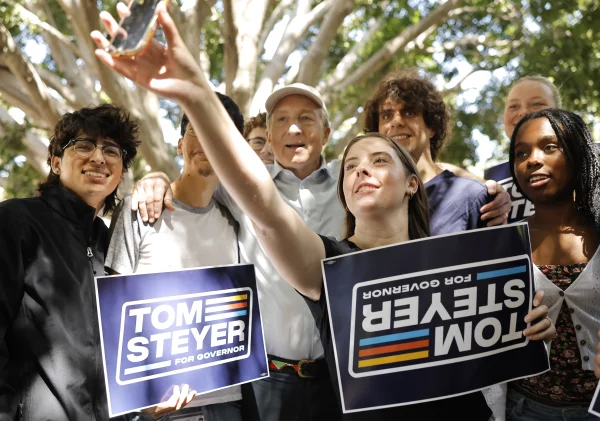
Recent races offer mixed evidence on whether influencer-driven strategies pay off. In California, Democrat Tom Steyer spent tens of thousands of dollars partnering with political creators who have large social media followings, according to NPR reporting. Despite that investment, he did not advance to the general election in the governor’s race.
In Los Angeles, Republican Spencer Pratt leaned into internet culture, building a bigger online presence and appearing on creator-made videos and on Joe Rogan’s widely followed podcast. Yet he also fell short on Election Day in his bid for mayor, underscoring that national or global online fame may not translate to local support.
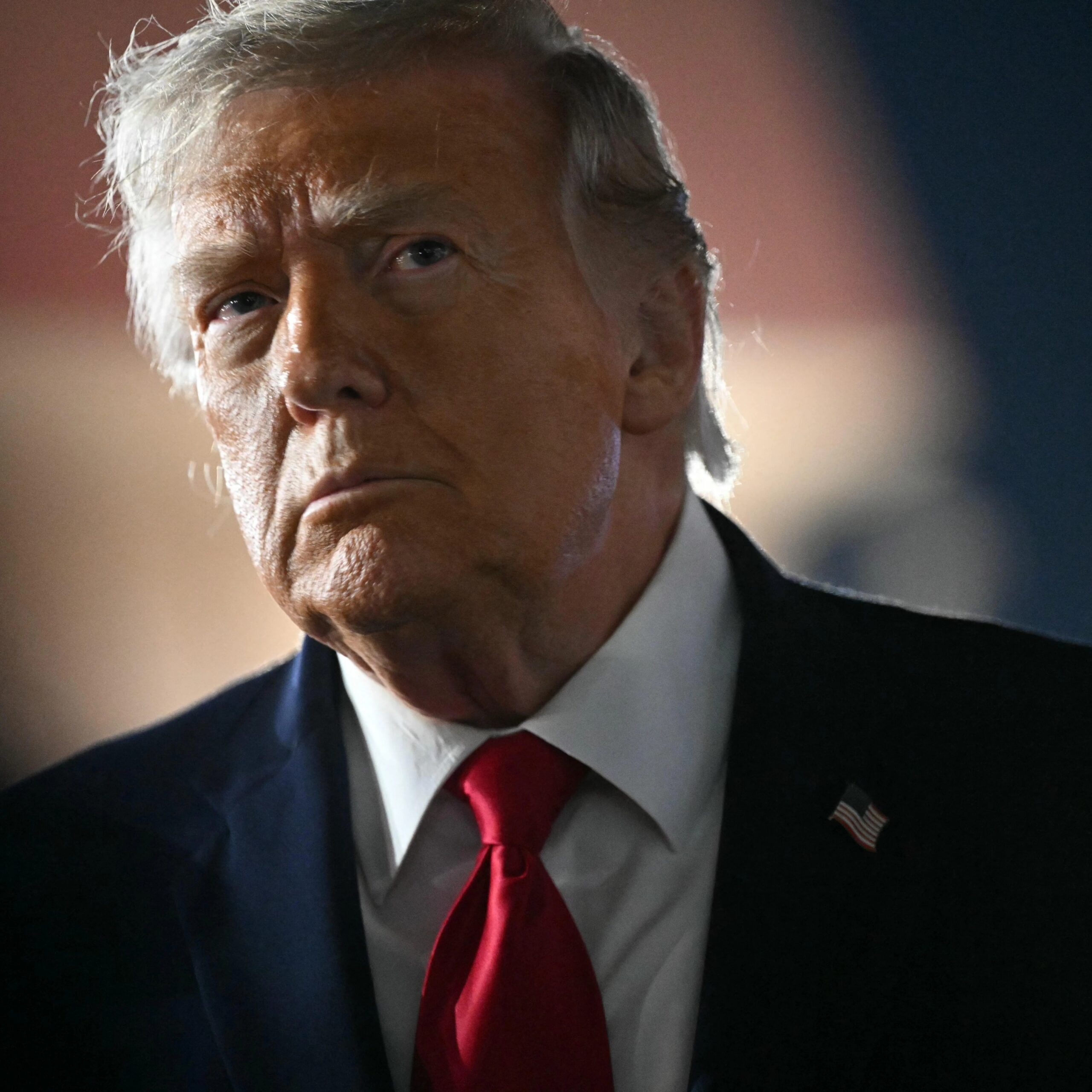
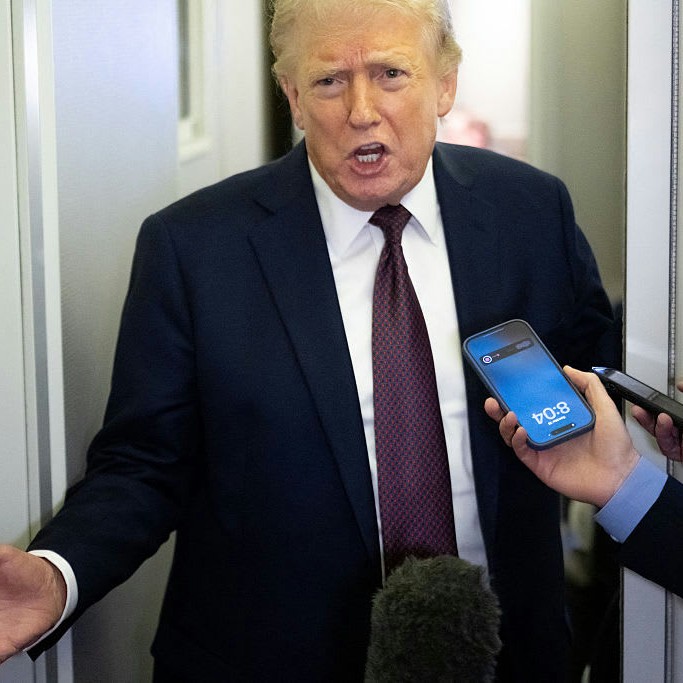
Former President Donald Trump showed how nontraditional media can move numbers, using streamers and podcasters to reach younger Americans in past campaigns. With Trump not on the ballot this fall, advisers across the political spectrum are searching for new ways to keep that digital energy alive, while acknowledging limits. One strategist described social media and influencers as a “blunt instrument” that is better at boosting national brands than winning narrowly targeted state and local contests.
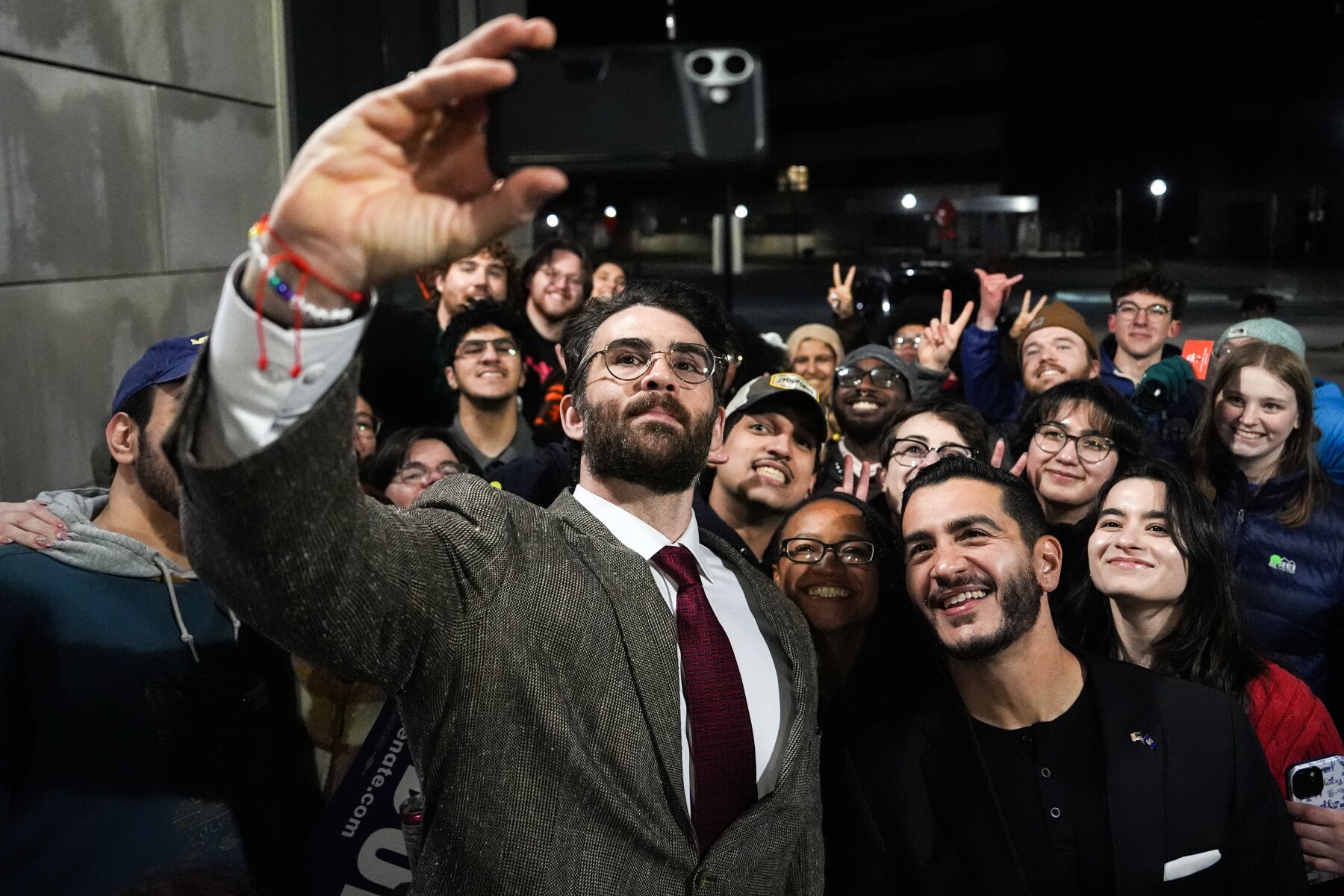
The debate is especially sharp among Democrats over Hasan Piker, a prominent left-leaning streamer. Piker has helped draw large, enthusiastic crowds and online engagement for progressive candidates, including Michigan U.S. Senate hopeful Abdul El-Sayed, who campaigned with him in April. “There have to be on-ramps back to politics,” El-Sayed said, arguing that candidates should “meet people where they are,” even if partnerships with polarizing influencers trigger criticism.
Michigan’s Aug. 4 primary will be an early test. Campaigns credit Piker’s events and streams with a spike in small-dollar donations and social media activity in the days after they were announced. He has also backed Democrats in New Jersey and Pennsylvania. At the same time, party strategists and experts quoted by NPR warn that any short-term surge must be matched by clear, credible policy messages if campaigns want those online interactions to translate into votes.
Some Democrats are experimenting with more localized influencer networks, pointing to state-level races such as New York Assembly member Zohran Mamdani’s campaign as an example of blending digital organizing with door-knocking and community events. Analysts say that approach may better connect broad, national conversations on platforms like TikTok with the specific concerns of local voters.
What It Means for You
For voters, the rise of political influencers means more campaign content will appear in everyday entertainment feeds, from livestreams to short videos. Analysts recommend paying attention not just to who is speaking, but whether claims are backed up by public records, past voting behavior, and concrete policy plans.
For campaigns, 2026 is likely to be a learning year. Parties will be watching contests like Michigan’s Senate primary to see whether partnerships with figures such as Hasan Piker bring actual turnout gains, or simply online buzz. The answers could reshape where billions of future campaign dollars go: toward creators, traditional ads, or more direct, community-based organizing.
How do you decide which political voices online you trust enough to influence your vote, if any?
Sources
NPR reporting by Elena Moore on influencer-driven campaigning and the 2026 Michigan Senate primary, published June 15, 2026; Public campaign appearances, social media posts, and fundraising announcements from Abdul El-Sayed, Hasan Piker, and other 2026 candidates, April-June 2026.