



Why This Matters
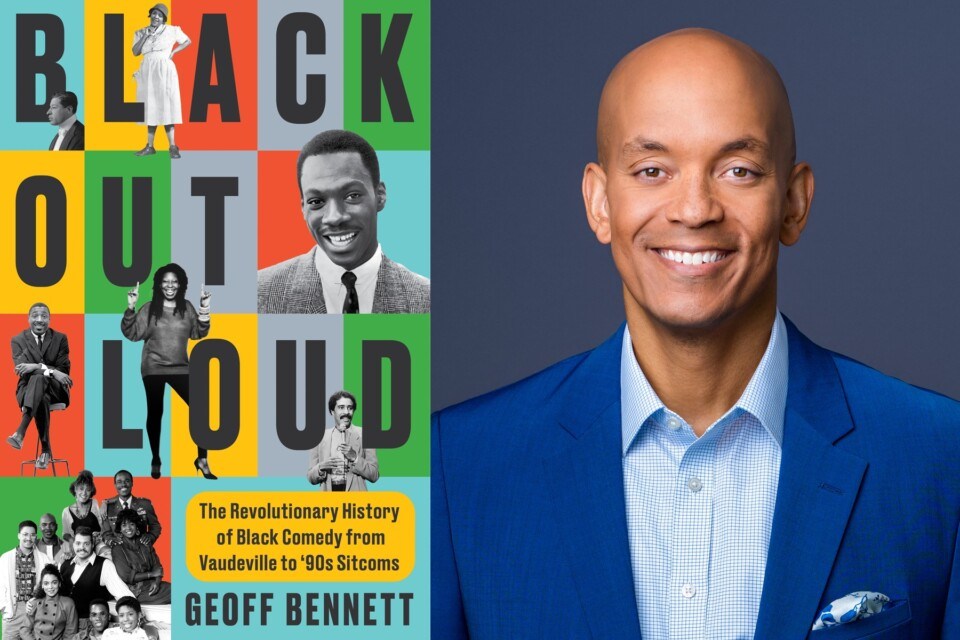
Black comedy on television has long been a window into how the United States talks about race, class, and power. A new book by PBS NewsHour anchor Geoff Bennett, titled “Black Out Loud,” puts that history under a spotlight at a time when debates over representation and free expression remain intense.
By centering the 1990s boom in Black sitcoms and sketch shows, the book revisits the years when network television opened more space for Black writers, performers, and stories. Series such as “In Living Color” and “Living Single” did more than entertain; they shifted how millions of viewers understood everyday Black life.
The project arrives amid streaming platforms, cable, and social media, which have transformed comedy yet again. Revisiting earlier eras can help explain how today’s landscape came to be, and why certain images and jokes still carry so much weight in American culture.
Key Facts and Quotes
According to PBS, Geoff Bennett’s “Black Out Loud” explores the history and cultural impact of Black comedy, with a special focus on the 1990s television wave. In a segment on PBS NewsHour, Bennett ties that era’s creativity to a much longer story about Black performance and political commentary.
“In the 1990s, a remarkable wave of Black sitcoms and sketch comedy reshaped American television,” Bennett says in the broadcast transcript. “Shows like ‘In Living Color’ and ‘Living Single’ reflected a wide range of Black life and helped broaden how millions of viewers understood Black experiences.”
“In Living Color,” which aired on Fox in the early 1990s, was created by comedian Keenen Ivory Wayans and became known for its majority-Black cast, sharp sketches about race and politics, and for launching the careers of performers including Jamie Foxx and Jim Carrey. “Living Single,” another Fox series that ran from 1993 to 1998, followed a group of Black friends in Brooklyn and is often cited by TV historians as a blueprint for later ensemble comedies.
Bennett’s book, as described on PBS NewsHour, grows out of conversations with comics, writers, and producers who helped shape those shows and the broader world of Black humor. His on-air discussion with co-anchor Amna Nawaz offers an entry point into how jokes, sketches, and sitcom storylines became vehicles for exploring identity, inequality, and aspiration on primetime television.
What It Means for You
For readers and viewers, “Black Out Loud” offers a guided tour of how Black comedy has moved from the margins of entertainment into the center of American popular culture. Understanding that evolution can deepen how audiences watch everything from classic reruns to today’s streaming hits.
The PBS NewsHour segment also suggests a broader takeaway: comedy is not only about laughter. It can be a record of who gets to speak, what truths can be said out loud, and how culture changes over time. Following Bennett’s work may help people recognize those patterns in the shows they already love.
Which Black-led comedy, from any era, most changed how you see American life, and why?
Sources
- PBS NewsHour segment and transcript, “Geoff Bennett explores Black comedy’s history and cultural impact in ‘Black Out Loud,'” March 23, 2026.
- Fox network and Television Academy program histories for “In Living Color” (1990s) and “Living Single” (1993-1998), accessed 2024.