




TL;DR
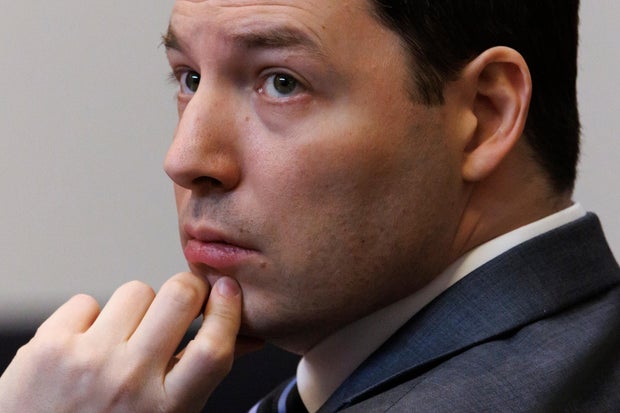
Virginia husband Brendan Banfield testified he loved his wife and denied prosecutors’ claims he conspired with the family’s au pair to kill her and another man in a staged double homicide.
Why This Matters
The Fairfax County case against Brendan Banfield, charged with aggravated murder in a double killing, blends themes of marital infidelity, digital role play and alleged staged violence. It is drawing attention because it exposes how private relationships, online behavior and lethal weapons can collide with tragic results.
For many families who employ in-home caregivers or au pairs, the case highlights sensitive power dynamics inside the household. It also raises difficult questions about consent, fetish communities online and how prosecutors interpret digital evidence and text communications when building a narrative of intent.
The trial is being closely watched in northern Virginia, a region with a large professional workforce and growing concern over domestic violence and gun use. If Banfield is convicted, he faces a possible life sentence, underscoring what is at stake for the defendant, the victims’ families and the broader community. Jurors must weigh sharply conflicting accounts from Banfield and his former au pair, Juliana Peres Magalhaes, whose testimony has become central to the state’s case.
Key Facts & Quotes
According to testimony reported by CBS News, Brendan Banfield told a Fairfax, Virginia, court that he began a “casual” affair with the family’s au pair, Juliana Peres Magalhaes, while his wife, Christine Banfield, was out of town. He described her moving closer to him during dinner and later following him into his bedroom, saying he did not stop her.
Banfield is charged with aggravated murder in the deaths of his wife and Joe Ryan. Prosecutors allege Banfield and Magalhaes lured Ryan to the couple’s home, shot him, and that Banfield then fatally stabbed his wife, staging the scene to make it look as if Ryan had attacked Christine. Banfield has pleaded not guilty.
On the stand, Banfield rejected the alleged murder plot. “I think that it’s an absurd line of questioning… that a plan was made to get rid of my wife,” he testified. “That is absolutely crazy.” Asked by his attorney whether he loved his wife, he answered, “Very much,” and said he wanted to continue the marriage.

Earlier this month, Magalhaes testified that she and Banfield created an account in Christine’s name on a fetish-focused social media platform, where Ryan connected with them and arranged a knife-involved sexual encounter, CBS News and local station WUSA-TV reported. She told jurors that Banfield planned for months to kill his wife and later live with her, and described crouching behind the bed with her eyes and ears covered while Banfield allegedly stabbed Christine repeatedly.
At a 2024 hearing for Magalhaes, prosecutors presented records showing Banfield and Magalhaes visited a local shooting range two months before the killing; weeks later, Banfield bought a gun that investigators say was used to shoot Ryan, according to WUSA-TV. Before the trial, Ryan’s mother, Deirdre Fisher, said her son had discussed consensual role play but was “not a violent person,” recalling the shock of the call informing her he had been killed.
What It Means for You
For readers, this case is a stark reminder that serious criminal trials often turn on competing personal narratives, digital traces and the credibility of witnesses who may themselves face legal exposure. The jury must decide whether the evidence supports prosecutors’ version of an elaborate plot or Banfield’s claim that, while he was unfaithful, he is not a killer.
The trial also underscores broader concerns: how online fetish forums and anonymous accounts can bring strangers into dangerous real-world situations, and how firearms obtained for recreation or protection can end up at the center of violent crime allegations. As proceedings continue, key developments to watch include cross-examinations of Banfield and Magalhaes, any forensic or digital evidence tying them to planning the killings, and ultimately how the jury interprets intent and premeditation.
How should courts balance respect for private adult behavior and online role play with the need to investigate when those same spaces are tied to deadly real-world events?