



Why This Matters
As people live longer, many are asking not just how long they will live, but how well. That question sits at the center of new interest in the gut microbiome, the trillions of bacteria, viruses and fungi that live in the digestive system. In a January 2026 first-person account, BBC health editor Hugh Pym described sending a stool sample to a lab and meeting specialists to ask whether “hacking” his gut health could help him age better.
Researchers worldwide are studying whether patterns in gut bacteria can predict healthy ageing, frailty, or risk of disease. Early findings suggest links between certain microbial communities and measures such as muscle strength, immune function and inflammation. But the science is still developing, and many experts warn that the role of gut health in ageing may be overstated, especially when turned into commercial tests and supplements.
For readers in midlife and older, the latest update on gut health and ageing highlights both opportunity and uncertainty. Lifestyle choices that support overall health may also benefit the microbiome, but expensive testing and highly specific “longevity diets” are far from proven. Understanding what is known – and what is not – can help people make more grounded decisions.
Key Facts & Quotes
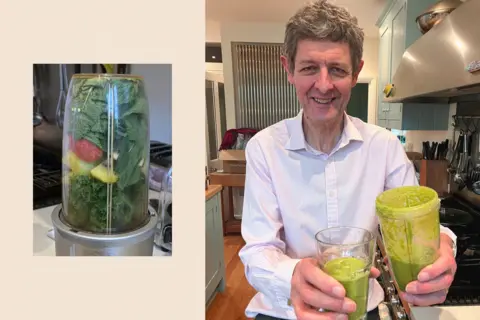
In his BBC piece, Hugh Pym, now in his 60s and a new grandparent, describes using a stool test to examine his gut microbiome and then consulting hospital specialists and dietitians about what the results might mean for his future health. He writes that “now that I am in my 60s and recently became a grandparent, it seems a good time to find out what my own gut tells me about how I will fare in coming decades.”
Scientists quoted in the article note that gut microbes appear to change with age. Some studies of centenarians in Japan, Italy and China have found distinct microbiome patterns among people who reach their 90s and 100s in relatively good health. Research published in Nature Metabolism in 2021, for example, linked more diverse gut bacteria and certain microbial byproducts with healthier ageing and lower frailty scores in older adults.
At the same time, many researchers caution that these are associations, not proof of cause and effect. According to microbiome summaries from the U.S. National Institutes of Health, scientists are still working to understand how specific microbes influence immunity, metabolism and inflammation over a lifetime. Experts interviewed by Pym stress that more large, long-term trials are needed before stool tests or targeted microbiome products can reliably predict how a person will age or guarantee better outcomes.
What It Means for You
For most people, the latest research suggests a simple message: gut health matters, but it is not a magic anti-ageing switch. General habits already known to support wellbeing – eating a varied, fiber-rich diet; limiting ultra-processed foods; staying active; sleeping well; and avoiding unnecessary antibiotics – are also associated with a more diverse and stable microbiome in many studies.
Commercial stool tests and personalized diet plans are becoming more visible, but experts say their benefits for longevity are not yet clearly proven. If you are considering such tests, health agencies recommend viewing them as information rather than diagnosis, and discussing any major diet or supplement changes with a clinician who knows your medical history.
Future research may clarify whether specific microbial patterns truly help protect against age-related conditions like frailty, diabetes or cardiovascular disease. For now, focusing on balanced nutrition and sustainable lifestyle choices remains the most evidence-backed way to support both gut health and healthier ageing.
Sources
BBC News – Hugh Pym, first-person report on gut health and ageing, January 2026.
Nature Metabolism – Wilmanski et al., studies on gut microbiome signatures of healthy ageing, 2021.
U.S. National Institutes of Health – Human microbiome and health overview materials, accessed 2024.
Question for readers: How much weight do you currently give to gut health when you think about your own plans for healthy ageing?