




TL;DR
Americans hoping for lower borrowing costs may have to wait longer. The Federal Reserve is widely expected to hold interest rates steady this week as the conflict involving Iran drives up oil and gas prices, complicating the central bank’s fight against inflation and raising new questions about when cuts might finally arrive.
Why This Matters
Interest rates set by the Federal Reserve influence what families and businesses pay on mortgages, credit cards, auto loans, and small-business borrowing. When the Fed keeps its benchmark rate high, those borrowing costs generally stay elevated, affecting everything from homebuying plans to debt payoff strategies.
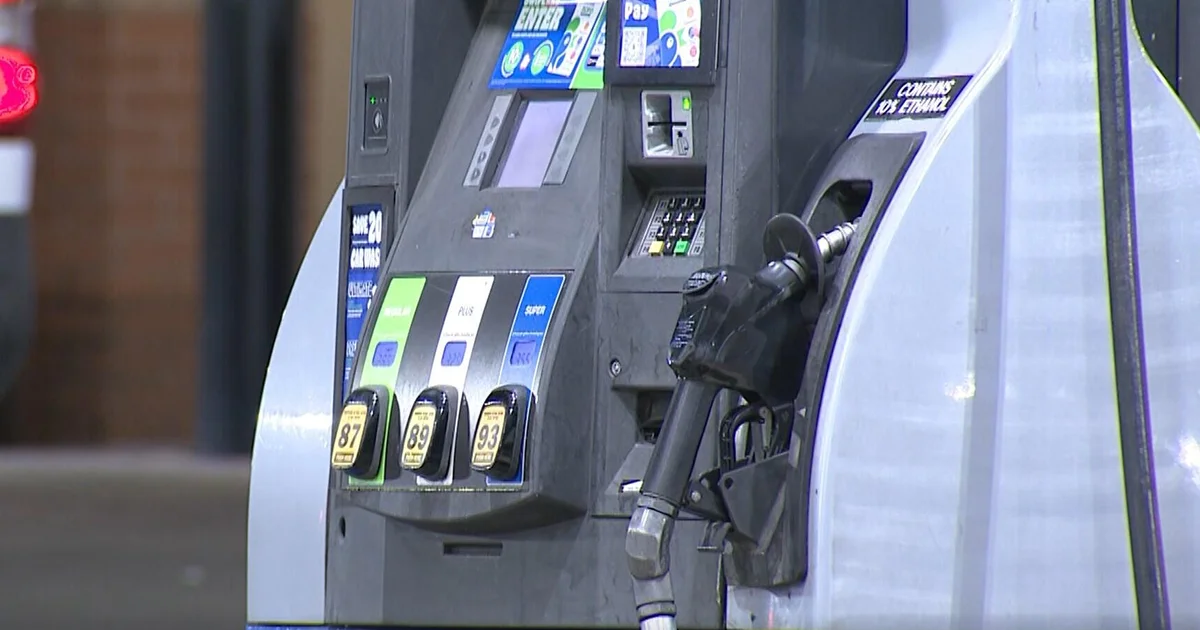
The latest global news from the Middle East adds a new layer of uncertainty. The war involving Iran has pushed up oil and gas prices, raising the risk that inflation, which had been easing from its pandemic-era peak, could re-accelerate. Higher energy costs often feed into transportation, food, and utility bills, putting extra pressure on household budgets.
At the same time, the job market is showing signs of strain, with recent data pointing to weaker hiring and outright job losses. That leaves the Fed trying to balance two core goals: keeping prices stable and supporting employment. How policymakers navigate that trade-off in the coming months will shape the economic backdrop for savers, borrowers, and retirees across the United States.
Key Facts & Quotes
The Fed meets on March 18 to decide its latest interest rate move. Financial markets see a 99% chance that officials will leave the benchmark federal funds rate unchanged in a range of 3.5% to 3.75%, according to the CME FedWatch tool, which tracks futures prices tied to Fed policy expectations.
Those expectations have shifted sharply. CME data now show a 95% probability that rates stay on hold at the April 30 meeting and a 77% chance of no change in June. Just a month ago, markets put those odds at 70% and 31%, respectively, before the Iran war sent energy prices higher and upset earlier forecasts for several rate cuts this year.
⚠️ Macro Alert: Oil Shock Could Delay Fed Rate Cuts
Rising oil prices amid the Iran war are adding new pressure on inflation, potentially forcing the Federal Reserve to keep interest rates higher for longer.
With inflation still above the Fed’s 2% target and oil prices… pic.twitter.com/6AJkOzFdcF
— Cryptopolitan (@CPOfficialtx) March 16, 2026
The Fed’s preferred inflation gauge, the Personal Consumption Expenditures index, already showed prices edging higher in January – before the conflict’s full impact on oil markets. One major forecasting team wrote, “Given our higher headline and core PCE inflation forecast, we have revised our baseline to show only one 0.25-percentage-point rate cut in 2026, likely in December, but it is entirely plausible that the Fed won’t deliver any rate cuts this year.”
Others warn the central bank might even have to raise rates if inflation flares again. “An already large headache for the Federal Reserve is going to turn into an even larger one,” another analyst noted, adding the Fed may start talking about hikes later this year. The dilemma is heightened by labor data: U.S. employers shed 92,000 jobs in February, an unexpected drop. “This could create a dilemma for the central bank – cut the fed funds rate to support the labor market and inflation could move even higher, or keep the fed funds rate where it is and risk further weakness in the labor market,” PNC economist Gus Faucher wrote.
Leadership uncertainty adds another variable. Kevin Warsh, a former Fed governor, has been nominated to lead the central bank but still requires Senate confirmation. If confirmed, he would inherit a difficult backdrop. He “will first need to demonstrate that his policy views are grounded in economic fundamentals rather than political considerations,” economist Gregory Daco of EY-Parthenon said.
What It Means for You
For now, consumers should not count on quick relief from high borrowing costs. Mortgage rates, credit card interest, and many home equity or auto loan rates are likely to stay elevated as long as the Fed holds its benchmark rate steady. That can make refinancing, carrying credit card balances, or financing big-ticket purchases more expensive.
Savers, on the other hand, may continue to benefit from relatively strong yields on savings accounts and certificates of deposit, at least in the near term. Looking ahead, everyday investors may want to watch three signals: energy prices, monthly inflation readings, and job reports. Together, they will shape the Fed’s next moves and, in turn, what it means for household budgets and retirement plans.
As this top story develops, how are higher-for-longer rates changing your own financial decisions?
Sources: