





TL;DR
House Republicans passed a health care bill focused on small business plans and drug costs but left out an extension of Affordable Care Act (ACA) tax credits, while a separate bipartisan push seeks to keep those subsidies in place for three more years.
Why This Matters
The Affordable Care Act’s premium tax credits help lower monthly insurance payments for many people who buy coverage on the health insurance marketplaces. If temporary enhancements to these credits expire, premiums could rise sharply for millions of Americans who do not get insurance through an employer or Medicare.
According to the Centers for Medicare & Medicaid Services (CMS), more than 21 million people selected ACA marketplace plans for 2024, and most of them receive some form of financial help with premiums. Analyses by KFF, a nonpartisan health policy research group, show that when temporary subsidies phase out, many families see their after-subsidy premiums increase by hundreds of dollars per year, and some may drop coverage altogether.
The latest update from Congress reflects a familiar split: one camp prioritizes expanding lower-cost, less-regulated plans and targeting prescription drug prices, while another is focused on keeping federal help in place for ACA plans. For consumers-especially those in their 40s, 50s and early 60s who rely on marketplace coverage-the decisions Congress makes in the coming weeks could directly affect next year’s insurance bills.
Key Facts & Quotes
According to reporting from CBS News, House Republicans on Wednesday passed a health care proposal aimed at reshaping parts of the private insurance market. The legislation would expand small business access to health plans and, in the words of supporters, is designed to “help lower drug costs.” However, it does not include an extension of the ACA’s premium tax credits that currently reduce monthly costs for many enrollees.
At the same time, four House Republicans joined a Democratic-led effort to force a vote on separate legislation that would extend what CBS News described as “Obamacare tax credits for another three years.” That procedural move signals at least some bipartisan concern about the impact of higher premiums if subsidies are allowed to lapse.
Senate Rejects Extending ACA Tax Credits, Risking Cost Hikes for Millions. Schumer warns of rising premiums as most Republicans support expiration. (Source: AP) Read the full story HERE ➡️ https://t.co/mDu6C6Nasc pic.twitter.com/IEKPNoFQz5
— ABA Section of Civil Rights and Social Justice (@ABA_CRSJ) December 12, 2025
CMS data released in January 2024 show that a record number of Americans are now enrolled in ACA marketplace plans, with financial assistance playing a central role in keeping coverage affordable. KFF has estimated that ending temporary ACA subsidy enhancements would lead to substantial increases in net premiums for many households, particularly middle-income consumers who are too young for Medicare but do not have employer coverage.
What It Means for You
If you buy your own health insurance through an ACA marketplace-often called an Obamacare exchange-this debate could affect how much you pay as early as your next renewal. Without congressional action to extend current tax credits, insurers may send notices showing higher premiums once temporary subsidies expire.
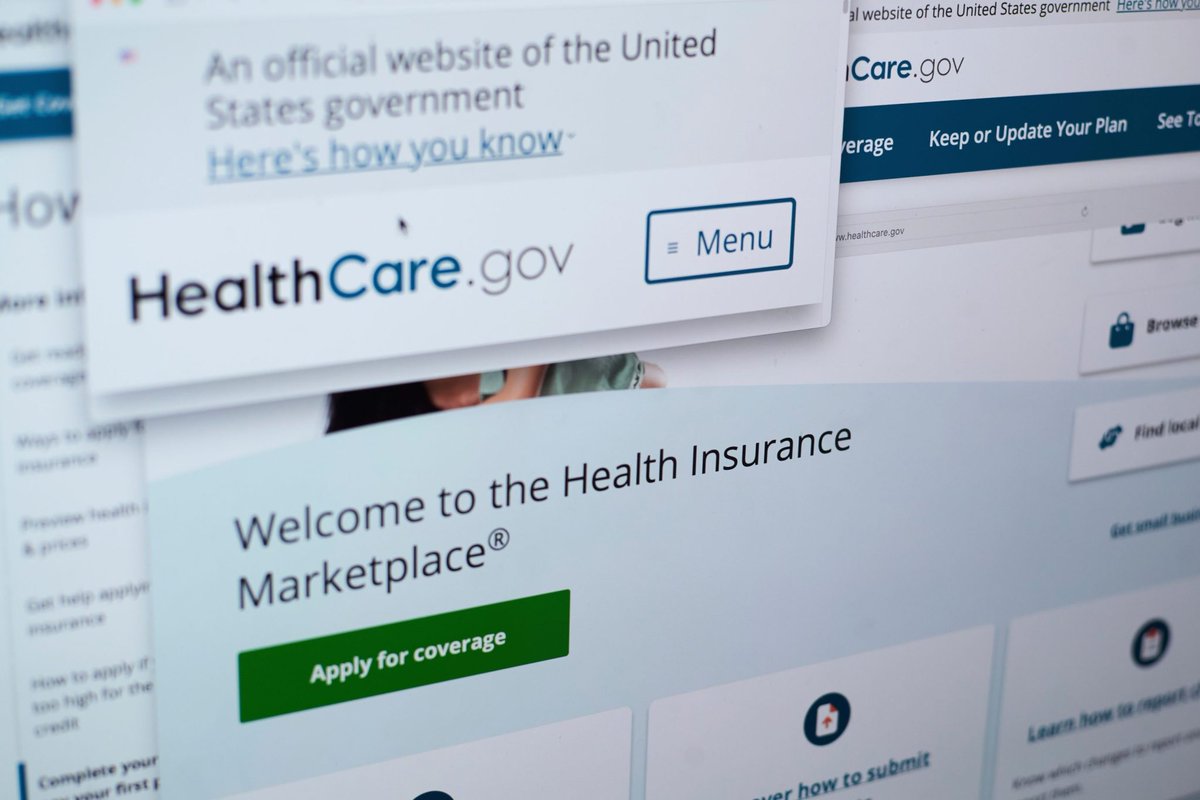
Small business owners and workers should also watch how the new House proposal evolves in the Senate, since it could expand access to alternative health plans that may offer lower premiums but potentially different benefits and protections. For now, your coverage and subsidies do not change immediately, but it is wise to pay attention to official notices from your insurer or the marketplace and to check your options during open enrollment if Congress does not reach a deal.
Sources
Primary details of the House legislation and bipartisan maneuvering are based on reporting from CBS News, “Where health care legislation stands as ACA tax credits are set to expire for millions,” video segment, accessed December 2025.
Enrollment and subsidy background from the U.S. Centers for Medicare & Medicaid Services open enrollment fact sheets (January 2024). Analysis of potential premium changes if temporary ACA subsidy enhancements expire from KFF (KFF.org, various reports, 2022-2024).
What concerns you more right now: the risk of higher ACA premiums if tax credits expire, or the broader push to reshape private health plans and prescription drug costs?