



TL;DR
Federal investigators say more than $250 million meant to feed low-income children in Minnesota was instead stolen and spent on luxury homes, cars and travel. Dozens have been charged, several convicted, and more trials are underway.
Why This Matters
The alleged fraud in Minnesota targets a core social promise: that children who rely on school and community programs will not go hungry. The money in question came from federal child nutrition programs, which reimburse organizations for serving meals to kids in need. According to federal prosecutors, large sums were diverted during the COVID-19 pandemic, when support systems were already under strain.
When these funds are misused, it is not just a financial crime. It directly undermines public confidence in safety-net programs and may weaken political support for future aid. Taxpayers across the United States funded this assistance, and similar programs operate in every state. The Minnesota cases are now a national reference point for how pandemic relief and child nutrition dollars can be vulnerable to abuse, and how oversight can break down when systems scale up quickly in a crisis.
The outcome of these prosecutions may influence how Washington and state agencies design and monitor youth nutrition programs, grant oversight and emergency aid in the years ahead.
Key Facts & Quotes
According to federal indictments and press releases from the U.S. Department of Justice in Minnesota, more than 70 people have been charged in what prosecutors describe as a scheme to defraud federal child nutrition programs of over $250 million. The funds were intended to reimburse organizations for serving meals to low-income children during the pandemic.
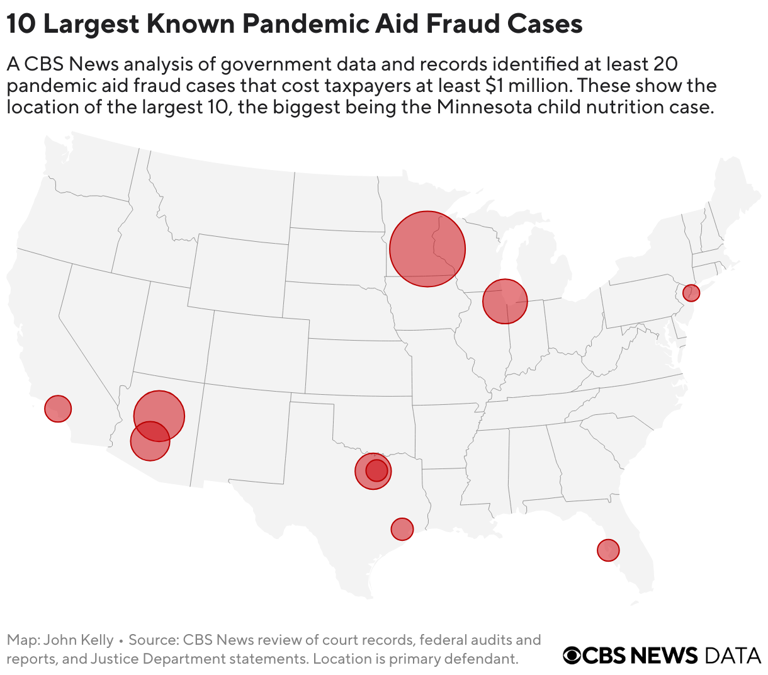
MINNESOTA TOPS LIST OF 10 MOST EXPENSIVE PANDEMIC AID FRAUD SCHEMES
Federal prosecutors have repeatedly called the fraud case that plundered Minnesota’s child nutrition program the “largest pandemic fraud in the United States.” But it’s far from the only multimillion-dollar… pic.twitter.com/C1UrUob67U
— FXHedge (@Fxhedgers) December 12, 2025
Prosecutors say some nonprofit sponsors and associated businesses submitted claims for millions of meals that were never served, using false rosters and fabricated invoices. The government alleges the money was then laundered through shell companies and bank accounts and spent on high-end real estate, overseas properties, jewelry and luxury vehicles.
Court filings detail purchases including luxury cars and large homes, as well as international travel and vacation villas, all allegedly financed with taxpayer money meant for children’s meals. In one trial, federal prosecutors told jurors the case was about “greed and deception at the expense of hungry kids,” according to courtroom transcripts.
Several defendants have already been convicted at trial or have entered guilty pleas; others have been acquitted, and more cases are still moving through the courts. Sentences handed down so far include multi-year federal prison terms and orders to pay restitution.
What It Means for You
For taxpayers, the Minnesota fraud cases are a reminder that public funds, especially in emergency programs, require close scrutiny. Money for child nutrition and pandemic relief came from federal budgets funded by workers and retirees nationwide, not just Minnesotans. If oversight fails, it can erode trust in government and make it harder to build support for future anti-hunger or crisis-aid efforts.
In response to the alleged fraud, federal and state agencies are reviewing oversight rules for meal programs and other grants. That could mean tighter documentation, more frequent audits and slower approvals for community organizations across the country. For families who rely on these programs, stronger controls could protect services in the long run, but they may also introduce new paperwork and delays.
As additional trials proceed and sentencing continues, watch for changes in federal and state rules on nutrition funding, nonprofit accountability and emergency aid safeguards.
Sources
- U.S. Department of Justice, District of Minnesota, press releases on federal child nutrition fraud cases, September 2022-June 2024.
- Indictments, verdicts and sentencing documents filed in U.S. District Court for the District of Minnesota in child nutrition program fraud cases, 2022-2024.
Join the Conversation
What kinds of safeguards or transparency measures would help you feel confident that taxpayer-funded programs for children are reaching the families they are meant to serve?