



TL;DR
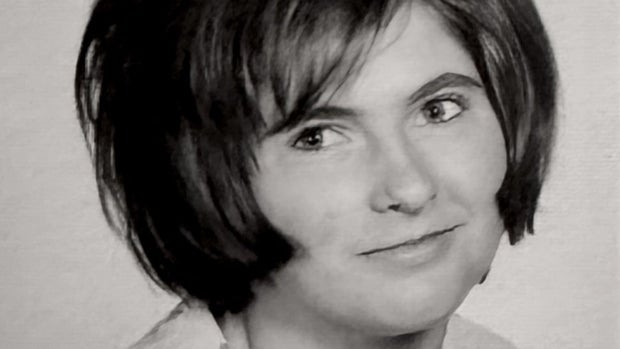
A 1969 killing of 17-year-old Mary Kay Heese in Wahoo, Nebraska, long considered the state’s oldest unsolved cold case, led to a 2025 plea deal and short sentence, leaving her family and community feeling that justice remains incomplete.
Why This Matters
The Heese case highlights how advances in investigative work can revive decades-old crimes, but also how legal systems handle offenses committed under much older laws. Mary Kay Heese, a high school junior, was murdered in 1969 on a rural road near Wahoo, shaking a small farming community where violent crime was rare.
For years, the case remained unsolved despite early questioning of multiple people, including a newcomer to town, 22-year-old Joseph Ambroz. As with many cold cases, new attention came when a dedicated investigator revisited the file, and state authorities formed or expanded cold case units to re-examine old evidence.
When a grand jury finally indicted Ambroz for first-degree murder in 2024, it offered hope of long-awaited accountability. But his 2025 plea to a lesser conspiracy charge – sentenced under 1969 statutes that capped time behind bars at two years – underscored the limits of retroactive justice. For victims’ families, outcomes like this can feel far removed from the gravity of the original crime, even when a defendant stands in court and the legal process appears to reach a conclusion.
Mary Kay Heese disappeared in 1969; her case remained unresolved until 2015, when investigator Ted Green linked her social interactions to her murder. 🕵️♂️
In 2026, Joseph Ambroz received a controversial 2-year sentence for conspiracy to murder, sparking outrage over perceived… pic.twitter.com/fthkELSw7R
— unumihai Media (@unumihaimedia) February 13, 2026
Key Facts & Quotes
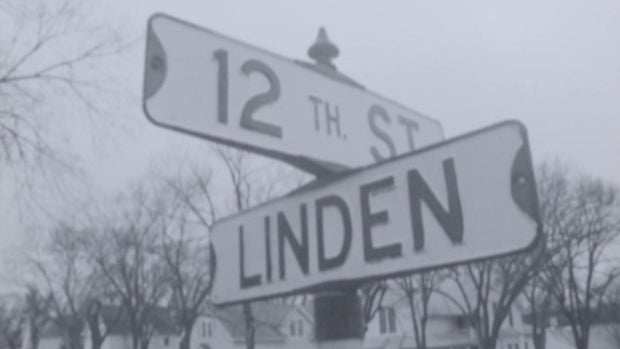
According to court and investigative records summarized in a national television news report, 17-year-old Mary Kay Heese disappeared in 1969 after traveling along a rural route near Wahoo, Nebraska. Her parents reported her missing that evening, and townspeople joined a search that ended with the discovery of her body.
Investigators processed the scene, photographed evidence, and made a cast of a shoeprint. They collected Heese’s schoolbooks, including one titled Building a Successful Marriage, in an effort to lift fingerprints. None of the prints matched early suspects, and the case went cold for decades.
One of those questioned soon after the murder was 22-year-old Joseph Ambroz, who had recently moved to town. He denied involvement, and a polygraph exam at the time appeared to support him. The case remained unsolved until the Nebraska State Patrol’s Cold Case Unit began a new review in 1999, and later, in 2015, a criminal investigator in the Saunders County Attorney’s Office took on the file.
Saunders County attorney Jennifer Joakim has described the effect on the town, saying she viewed the killing as the moment “the community lost its innocence.” Deputy county attorney Richard Register said Heese’s unsolved murder “hung over this community for five decades. It needed to be resolved.”
In 2024, a grand jury indicted Ambroz on first-degree murder, and he was arrested in Oklahoma and extradited to Nebraska. In July 2025, Ambroz entered a no-contest plea to conspiracy to commit first-degree murder. Because sentencing followed the law in effect in 1969, the maximum penalty was two years. With credit for time already served, Ambroz was released in 2025. For Heese’s relatives, the long fight for justice remains unresolved, even after the plea.

What It Means for You
For many readers, this case is a window into how cold cases and older crimes are handled today. It shows that when investigators revisit long-dormant files, they can bring new charges even decades later – but the penalties often reflect the laws that existed at the time of the crime, not current standards.
The story also underscores the importance of specialized cold case units, improved evidence handling, and long-term support for victims’ families, who may face emotional whiplash as cases reopen and close again. Going forward, debates in many states may focus on whether sentencing rules, evidence preservation, and victim-notification laws need updating for historic crimes. For communities, the Heese case raises a broader question: what does justice look like when the legal system finally acts, but the outcome does not match the community’s sense of loss?
How do you think justice systems should balance old laws with modern expectations when very old cases like this finally come back to court?
Sources: summary of court proceedings and interviews from a 2026 U.S. television news magazine segment; archival information from Nebraska state and county case files as described in that broadcast.