



Why This Matters
A new documentary, “The AI Doc: Or How I Became an Apocaloptimist,” examines the rapid rise of artificial intelligence and its potential implications for humanity. According to CBS News, the film looks at both the power of this technology and its potential downsides, at a moment when AI tools are moving from research labs into everyday life.
The project arrives as policymakers, business leaders, and ordinary users are all wrestling with how far and how fast AI should grow. A film that brings together top company executives and outside experts may help viewers understand an issue that can otherwise feel technical and distant.
Documentaries like this one have become a common way for the public to catch up on complex technologies that are already changing work, media, health care, and education. By combining interviews, real-world examples, and personal perspectives, they can translate abstract debates into concrete questions about jobs, safety, and human control over powerful systems.
Key Facts and Quotes
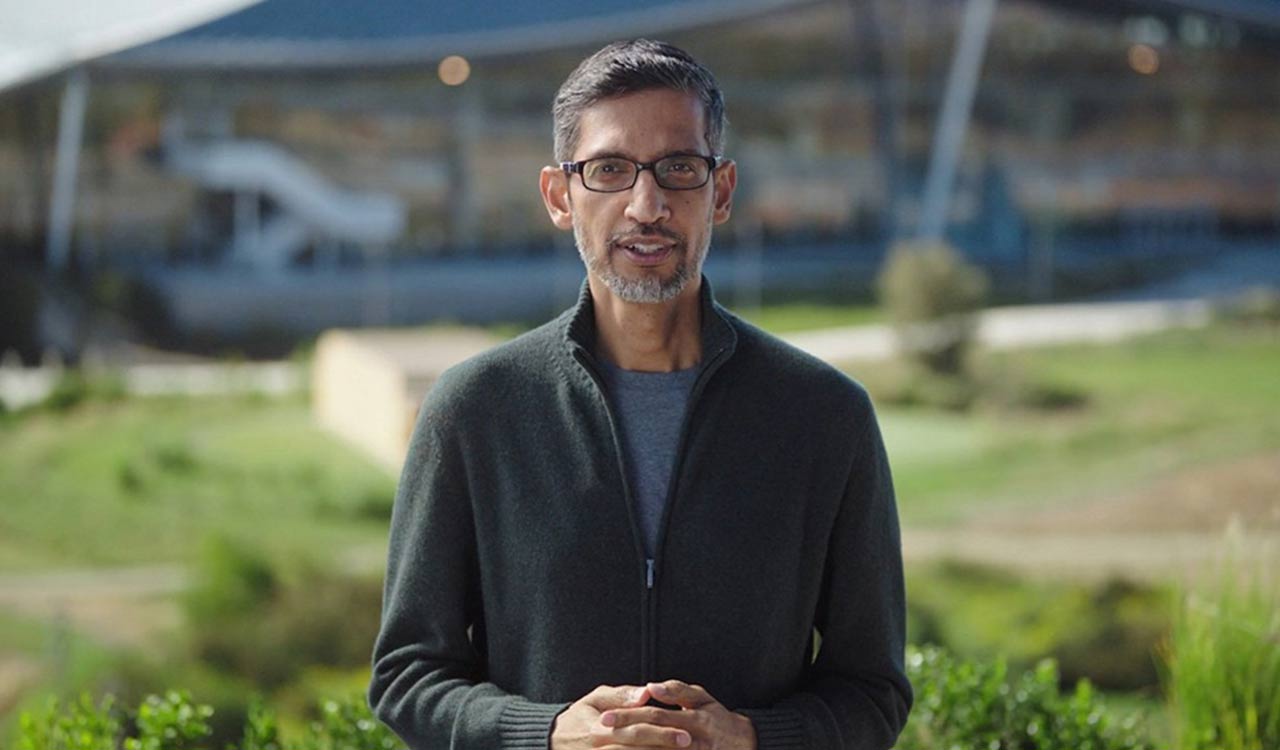
CBS News describes “The AI Doc” as a new documentary that examines “the artificial intelligence boom and its potential risks to humanity.” The film features interviews with chief executives of leading AI companies, along with researchers and other subject-matter experts. That mix is meant to show both the commercial drive behind the technology and the ethical and social concerns it raises.
2026 @SXSW Film Festival Review: “The AI Doc: Or How I Became An Apocaloptimist” Minces No Words About AI’s Implications https://t.co/6qaeclu4nP @TheAIDocFilm @FocusFeatures #TheAIDocFilm Review By @PatrickPosting pic.twitter.com/RKZMLfbd7X
— James McDonald (@IrishFilmCritic) March 18, 2026
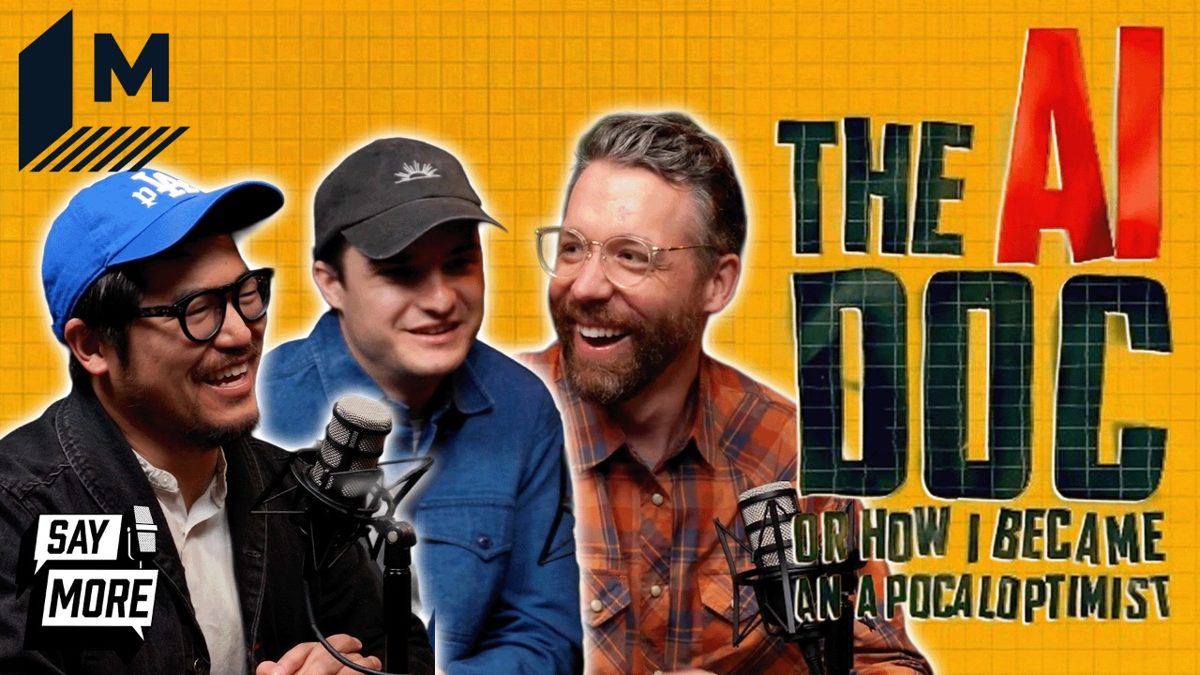
The documentary is co-directed by filmmaker Charlie Tyrell and produced by Ted Tremper, who appeared together on a CBS News segment to discuss the project. Their film’s long title, “The AI Doc: Or How I Became an Apocaloptimist,” signals a blend of concern and guarded hope. The term “apocaloptimist” plays on the words “apocalypse” and “optimist,” suggesting someone who sees serious risks yet still believes in the possibility of better outcomes.
In their conversation with CBS News, Tyrell and Tremper discussed how the documentary explores the gap between what AI systems can already do and what the public imagines they can do. The film reportedly highlights opportunities in fields like medicine, education, and creative work, while also raising questions about algorithmic bias, loss of privacy, and the potential for misuse in areas such as surveillance and information campaigns.
By framing the story around both peril and promise, the documentary aims to avoid simple narratives of either full enthusiasm or outright fear. Instead, it appears to focus on how decisions made now by companies, regulators, and voters could shape whether AI develops in ways that support or undermine human well-being.
What It Means for You
For viewers, “The AI Doc” is positioned as an introduction to the stakes of AI in everyday life, using high-profile interviews to ground abstract issues. It may help people understand how technologies behind chatbots, recommendation systems, and automated tools are built, who controls them, and what safeguards are under discussion.
As lawmakers consider new rules for data use, safety testing, and accountability in AI systems, informed public opinion will matter. Documentaries like this can give non-technical audiences a starting point to ask sharper questions of employers, elected officials, and technology providers about how AI is being deployed and who benefits.
What kinds of information or perspectives would you most want to see covered in documentaries about fast-moving technologies like artificial intelligence?
Sources
- CBS News video segment, “Co-director and producer of ‘The AI Doc’ on the peril and promise of artificial intelligence,” 2026-03-24.