


Why This Matters
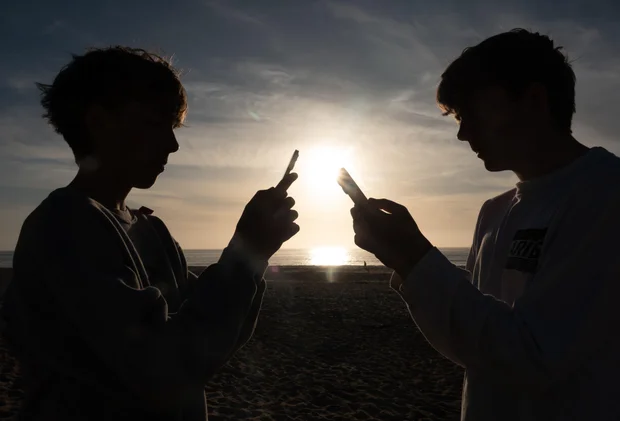
The United Kingdom has announced plans to bar children under 16 from using most social media platforms, one of the broadest proposals yet from a major Western democracy to limit kids’ time online. The move would make the U.K. an early test case for large-scale age-based restrictions.
The proposal comes amid growing concern about the impact of constant connectivity, targeted content, and “addictive” design features on children’s mental health. Lawmakers in the U.S. and Europe are watching closely, as any changes imposed in the U.K. could influence how global platforms operate elsewhere.
The plan also lands in the middle of a wider rethinking of digital childhood. Other countries, including Australia, are experimenting with social media age bans, and some communities, like one Irish town that embraced smartphone-free childhoods, are trying local solutions long before national laws arrive.
Key Facts and Quotes
Prime Minister Keir Starmer said Monday that the government will seek legislation to prevent under-16s from using major platforms such as Snapchat, TikTok, YouTube, Instagram, Facebook and X, according to CBS News. Messaging services like WhatsApp would remain accessible under the plan.
Starmer said the U.K. would go further than other nations by also blocking “harmful functions,” including livestreaming and tools that let children communicate with strangers, and by extending some restrictions to gaming sites. The government argues the measures are needed to protect children from content “designed to be addictive.”
The draft law would put the legal burden on technology companies to keep under-16s off restricted services, with potentially heavy fines for violations. People under 18 would also be barred from using artificial-intelligence “romantic companions,” though officials have not yet detailed how that rule would be enforced. Starmer said he hopes Parliament will pass the rules by late December so they can take effect by spring 2027.
Australia introduced a nationwide under-16 social media ban in December 2025, but around 70% of parents surveyed by the country’s internet regulator in March said their children still used the platforms by bypassing age gates, according to data cited by CBS News. Starmer dismissed such concerns, comparing it to underage drinking and arguing that isolated breaches do not invalidate a ban.
The U.S. Embassy in London recently raised doubts about whether age verification will work and urged the U.K. to protect children while preserving freedom of speech, calling parents “the first and best line of defense.” British officials counter that YouGov polling shows strong parental support for a ban on under-16s.
In March, a Los Angeles jury found Meta and YouTube liable for creating products that led to harmful and addictive behavior among young users, a ruling CBS News notes could shape future legal claims against social media firms. More than a dozen countries, including France, Denmark and Malaysia, are already weighing new rules on children’s access to platforms.
CBS News also highlights Greystones, a town in Ireland where parents voluntarily pledged not to give their children smartphones until middle school, as part of a program called “It Takes a Village.” Teachers there reported higher anxiety when students returned after the COVID-19 pandemic and linked some of it to online activity, prompting game nights, phone-free school days, and peer mentoring about responsible tech use.
What It Means for You
For U.S. families, the U.K. plan adds momentum to an already active debate over kids and screens. While there is no national U.S. ban on social media for minors, federal and state lawmakers have proposed age limits, parental consent rules, and design changes that could be influenced by how the U.K. approach works in practice.
Even without new laws, parents and schools may see platforms roll out stricter age checks and more default protections for teens if companies must comply in a major market like Britain. The Greystones example also suggests that local norms-such as shared age expectations for phones and structured offline activities-can complement or, in some cases, move faster than national regulation.
How do you think the balance should be struck between national rules, tech company responsibility, and family choices when it comes to kids’ lives online?
Sources
CBS News report by Leigh Kiniry on U.K. social media plans, published June 15, 2026; statements by U.K. Prime Minister Keir Starmer as reported in that piece; Australia eSafety Commission polling on under-16 social media use, March 2026, as cited by CBS News; U.S. Embassy in London public notice on the U.K. “Growing Up in the Online World” consultation, early June 2026, as cited by CBS News; YouGov polling on British parents’ views of children’s social media use, date as cited by CBS News; Los Angeles jury verdict involving Meta and YouTube over alleged addictive design for minors, March 2026, as described in CBS News coverage; descriptions of the Greystones, Ireland “It Takes a Village” initiative and local school practices, from CBS News reporting.