



TL;DR
On day 11 of the U.S.-Israeli war with Iran, President Donald Trump predicts a quick end even as oil prices push past $100 a barrel, casualties mount in Lebanon, and Iran installs Mojtaba Khamenei as its new Supreme Leader.
Why This Matters
The latest update in this conflict links national security, global energy supplies, and political stability in one of the world’s most fragile regions. The United States is directly involved alongside Israel, raising the stakes for American troops and allies as fighting stretches beyond Iran to neighboring Lebanon.
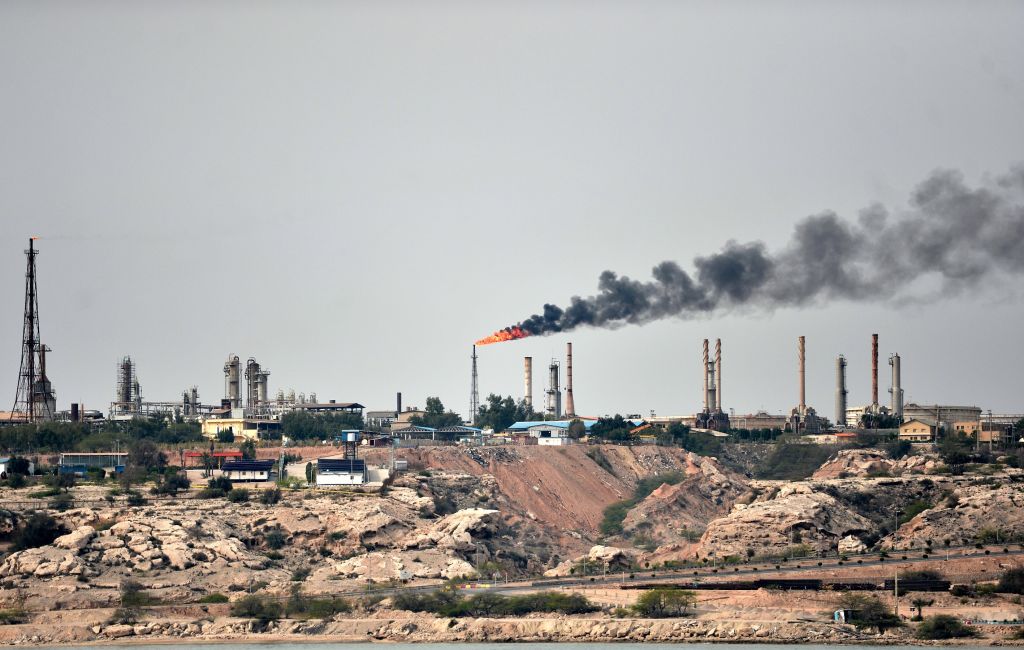
The Strait of Hormuz, which President Trump suggested the U.S. might “take over,” is a narrow waterway but a major energy lifeline. About one-fifth of the world’s oil traded by sea passes through it, according to the U.S. Energy Information Administration. Any prolonged disruption there can push up fuel prices, add to inflation, and complicate central banks’ efforts to manage interest rates.
The leadership shake-up in Tehran adds another layer of uncertainty. Mojtaba Khamenei, son of the late Ayatollah Ali Khamenei, assumes power amid war and internal pressure. His choices could influence regional proxy groups, escalation or de-escalation with Israel, and how Iran responds to U.S. threats over oil flows and attacks on its facilities.
Key Facts & Quotes
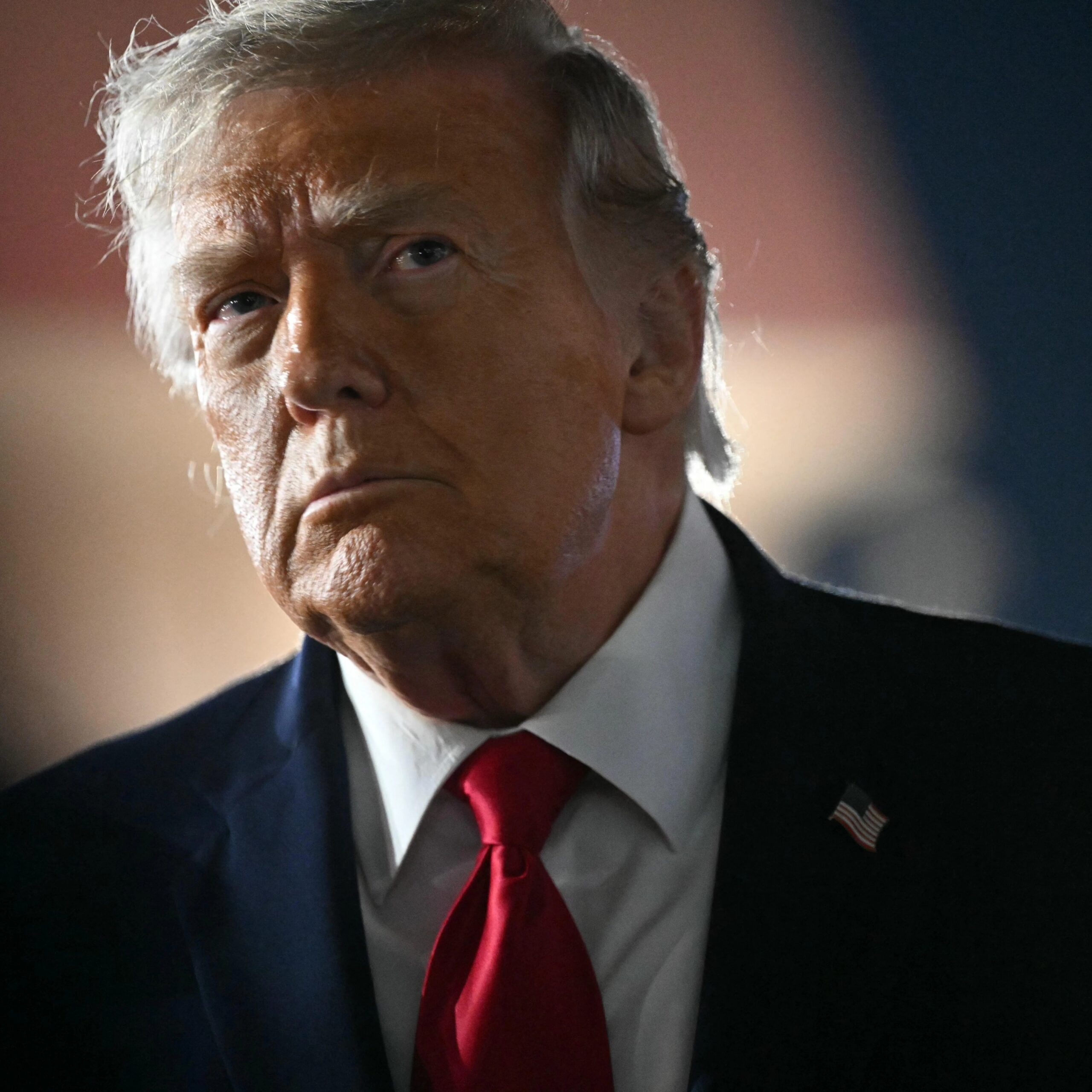
In an interview with CBS News, President Trump said he believes the war is “very complete, pretty much” and offered no public message for Iran’s new Supreme Leader. Speaking later to reporters at his golf club in the Miami area, he predicted the conflict would end “very soon” and warned that Iran would be hit “much, much harder” if it tries to block oil supplies.
In an unexpected political twist, President Trump is promising an imminent end to the Iran war, offering to suspend oil sanctions and escort tankers safely through territorial waters. Amid this news, oil prices dramatically decline, baffling economists who didn’t have this in … pic.twitter.com/Avm8wBIBRI
— ModStar News (@ModStarNews) March 10, 2026
Benchmark Brent crude briefly surged above $100 a barrel for the first time since 2022, while U.S. crude also climbed, remaining well above levels seen before fighting began on Feb. 28, CBS reported. Market data from major exchanges show stock prices under pressure as investors weigh war risks, higher energy costs, and the possibility of broader regional disruption.
The U.S. military on Monday reported a seventh American fatality from the war. In Lebanon, the health ministry said nearly 400 people have been killed in Israel’s air campaign. Inside Iran, thousands took to the streets to celebrate Mojtaba Khamenei’s elevation after the killing of his father, Ayatollah Ali Khamenei. One analyst told CBS News the younger Khamenei has stepped into the “highest risk job” in the country.

What It Means for You
For many households, the most immediate effect may be at the gas pump and in heating and travel budgets. Sustained oil prices above $100 a barrel can feed into higher gasoline and diesel prices, raising costs for commuting, groceries, air travel, and shipping. Volatile markets may also shake retirement accounts and 401(k)s, especially for those nearing or in retirement.
Looking ahead, watch for changes in the status of the Strait of Hormuz, casualty figures involving U.S. forces, and any signs of a cease-fire or new diplomatic talks. Government travel advisories for the Middle East, as well as official statements from the Pentagon and the White House, will be key signals.
How are you weighing security concerns against economic worries as this conflict unfolds?
Sources: CBS News reports (Mar. 9-10, 2026); U.S. Energy Information Administration, 2024 data on global oil chokepoints.