



TL;DR
A Kazakh billionaire used money loaned from a company that Italian prosecutors later linked to a bribery scheme to help buy Prince Andrew’s former Sunninghill Park mansion for 15 million. The buyer denies any corruption, and there is no evidence Andrew knew the source of the funds, but experts say the deal showed clear anti-money-laundering red flags.
Why This Matters
The case sits at the crossroads of royal finances, global corruption, and the use of Western property markets to park questionable wealth. For years, the United Kingdom has faced criticism for allowing luxury real estate to be bought through offshore companies with limited transparency. This sale, involving a senior member of the British royal family at the time, highlights how those same systems can expose public institutions to legal and reputational risk.
Italian prosecutors concluded that a company involved in the purchase, Enviro Pacific Investments, had received money from a bribery scheme tied to oil contracts in Kazakhstan. While proceedings in Milan were later dismissed and the Kazakh buyer has not been charged, the flow of funds illustrates how complex corporate structures can obscure the origin of money entering countries like the UK.
For a U.S. audience, the story echoes broader concerns about whether existing safeguards are strong enough to keep alleged corrupt proceeds out of major financial centers and real estate markets, from London to New York and Miami.
Key Facts & Quotes
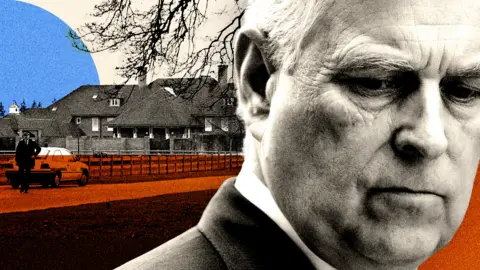
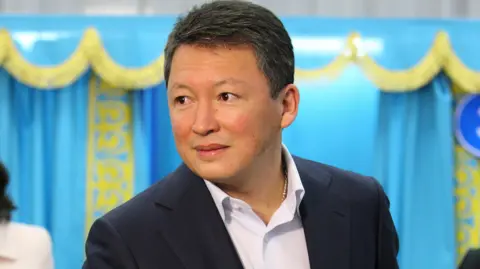
According to a televised investigation by a UK public broadcaster, Andrew Mountbatten-Windsor, then a working royal, sold Sunninghill Park in Berkshire in 2007 to Kazakh billionaire Timur Kulibayev for 15 million. The property, a 12-bedroom modern mansion originally given to Andrew as a wedding gift in 1986, had struggled to sell after being listed in 2001.
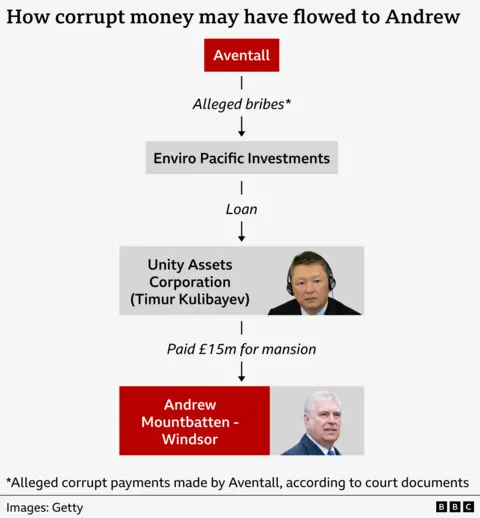
Lawyers for Kulibayev, who is the son-in-law of Kazakhstan’s then president Nursultan Nazarbayev and a former senior oil and gas official, said he used a loan from a company called Enviro Pacific Investments to help fund the purchase and insisted the money was entirely legitimate. Italian prosecutors later concluded that Enviro Pacific had received cash from a bribery scheme involving Kazakh oil contracts.
Court documents from cases in Monza and Milan in 2016 and 2017, first obtained by Italy’s L’Espresso magazine working with the International Consortium of Investigative Journalists’ Caspian Cabals project, describe how another firm, Aventall, was allegedly used to channel bribes. Italian oil executive Agostino Bianchi pleaded guilty to paying bribes to Kulibayev and other Kazakh officials, though Kulibayev himself was not charged. Proceedings in Milan were ultimately dismissed in part because prosecutors could not link payments to specific contracts or officials.
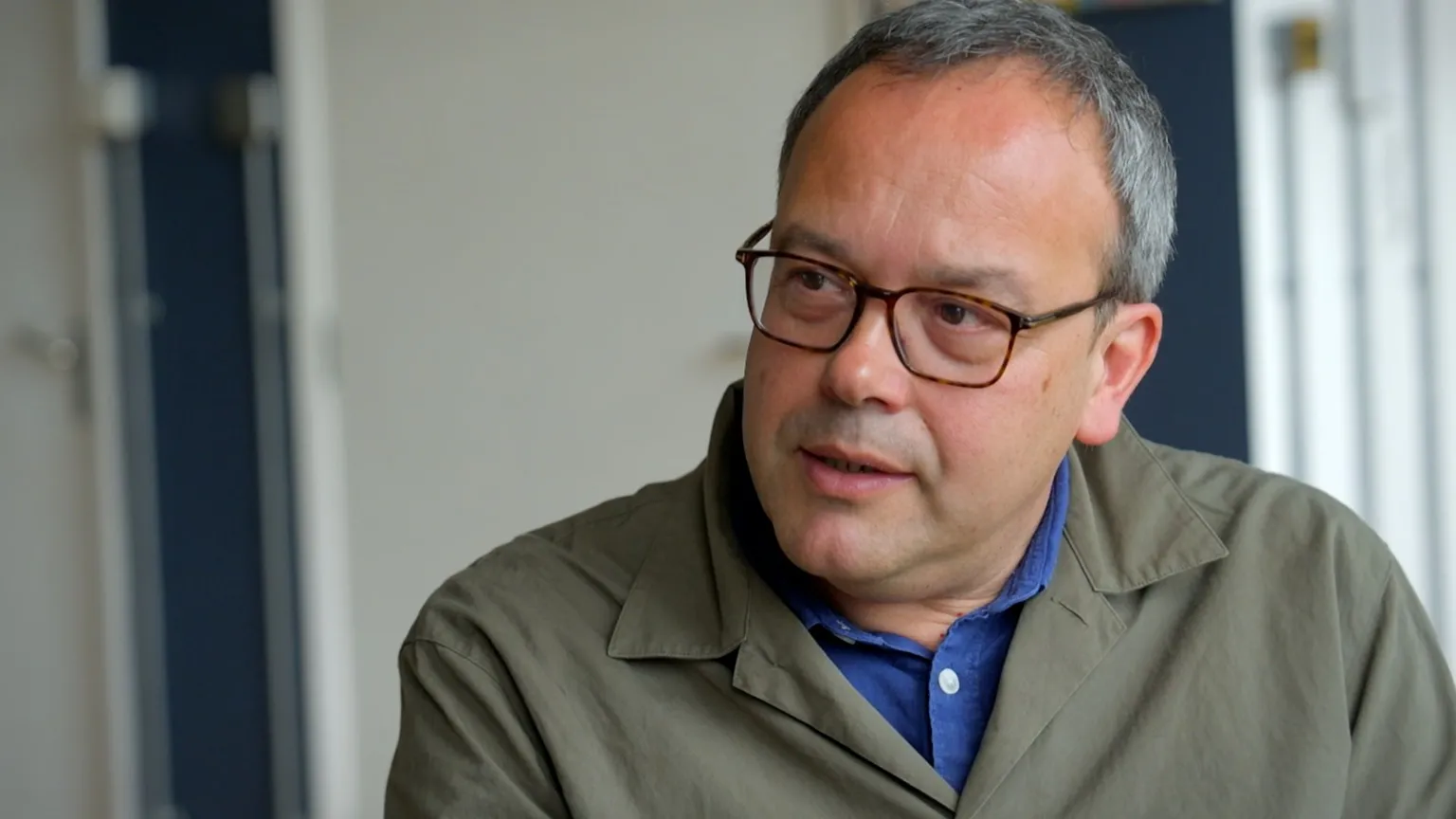
Anti-money-laundering specialist Tom Keatinge, director of the Centre for Finance and Security, said the Sunninghill Park deal showed “blatant red flags” that should have prompted detailed checks to ensure no role in “helping to launder the proceeds of corruption.” Those red flags included:
- The buyer’s role as a powerful public figure and presidential relative in a country where the UK government had expressed concern about “systematic corruption.”
- The use of offshore structures and layered loan arrangements without a clear commercial rationale.
- An allegedly inflated price: reports say Kulibayev paid around 3 million above the asking price and roughly 7 million above estimated market value.
- Limited transparency over the true identity and financing of the purchasing entities.
Keatinge noted that since 2004, UK lawyers have been required to conduct strict checks on the source of funds in property deals, including identifying the ultimate owner of offshore companies. “Regardless of who you are – royal, oligarch or billionaire – those acting for you in any property transaction should be alert to the risks, both legal and reputational, inherent in offshore investments in UK property,” he said.
There is no evidence that Andrew knew the source of the funds used by Kulibayev. The former prince did not respond to new requests for comment. In a 2009 interview with a British newspaper, responding to criticism of the sale, he said: “It’s not my business, the second the price is paid. If that is the offer, I’m not going to look a gift horse in the mouth and suggest they have overpaid me.” Buckingham Palace has also declined to comment.
Margaret Hodge, a longtime UK lawmaker and the government’s anti-corruption champion, said she was “utterly shocked” by the latest revelations and warned that “proceeds of crime” may have been involved in “what has already been a very controversial sales transaction.” She added: “These allegations need to be properly investigated by both Parliament and the appropriate national agencies. Nobody is above the law.”
After the purchase, Sunninghill Park reportedly sat empty for years, was demolished in 2016, and replaced with a larger mansion that has likewise remained unoccupied.
What It Means for You
For many readers, this story is less about royalty and more about how global money moves. Large sums linked to alleged corruption can flow through layers of shell companies into property markets in the UK, the United States, and beyond. That can quietly push up prices, distort local markets, and undermine trust in public institutions that appear to benefit, even indirectly, from suspect funds.
The case also underlines the importance of robust “know your customer” checks by banks, law firms, and estate agents when dealing with politically exposed persons and offshore structures. In recent years, the UK has introduced new rules to reveal the true owners of overseas companies buying property and has increased pressure on professional advisers to spot and report suspicious activity. Observers will be watching to see whether UK parliamentary committees or enforcement agencies decide to re-examine this sale and whether similar scrutiny spreads to other high-profile property deals.
Sources
- Televised investigation by a UK public broadcaster into the Sunninghill Park sale involving Andrew Mountbatten-Windsor and Timur Kulibayev, published January 2026.
- Italian court documents from proceedings in Monza and Milan (2016-2017) involving alleged bribery linked to Kazakh oil contracts, as reported by L’Espresso magazine and the International Consortium of Investigative Journalists’ Caspian Cabals project.
Join the Conversation
How much transparency do you think public figures should face when they sell or buy high-value property, especially through offshore structures?