


TL;DR
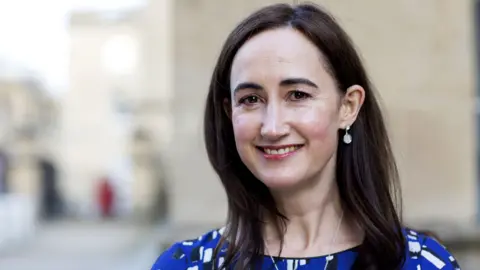
Bestselling Shopaholic author Sophie Kinsella has died aged 55 after an aggressive brain cancer, her family announced, prompting tributes from readers and the publishing world.
Why This Matters
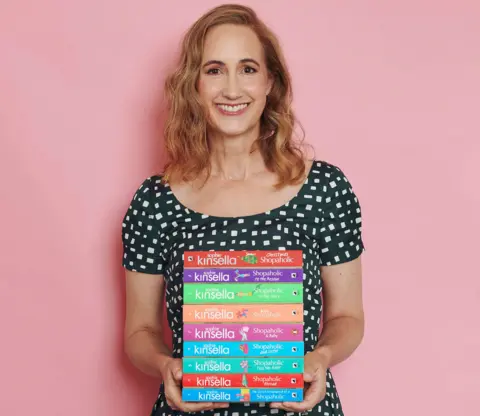
Sophie Kinsella, born Madeleine Sophie Wickham, helped define a generation of light, witty fiction about contemporary women’s lives. Her Shopaholic novels, centered on the misadventures of shopping-obsessed Rebecca Bloomwood, sold more than 50 million copies in over 60 countries and were translated into more than 40 languages. For many readers, especially women in their 30s to 60s, her books were a familiar presence during life’s busier, more stressful years.
Kinsella’s death also brings renewed attention to glioblastoma, one of the most aggressive and deadly forms of brain cancer. She made her diagnosis public in 2024, describing how she used writing to process illness and fear. Her openness added a candid, personal voice to broader conversations about serious disease, mental health and the limits of current treatments.
As a global publishing figure whose work crossed borders and formats, Kinsella’s passing is both a cultural and personal loss for millions of readers who found escapism and recognition in her stories of money worries, friendships, romance and everyday mistakes.
Key Facts & Quotes
Kinsella’s family said she died peacefully on Tuesday at the age of 55 after living with an aggressive brain cancer known as a glioblastoma, first diagnosed in 2022. In a statement shared on her official social media accounts, they wrote: “We are heartbroken to announce the passing this morning of our beloved Sophie (aka Maddy, aka Mummy). She died peacefully, with her final days filled with her true loves: family and music and warmth and Christmas and joy.”
Bestselling author dies aged 55 after aggressive brain cancer diagnosis https://t.co/3geKbZaLe3 pic.twitter.com/QnBaGzGR2J
— bulletinindy (@bulletinindy) December 10, 2025
The family added that they “can’t imagine what life will be like without her radiance and love of life,” and praised the “unimaginable courage” with which she faced her illness. “She took nothing for granted and was forever grateful for the love she received. She will be missed so much our hearts are breaking,” the statement said.
Kinsella first found wide fame with her Shopaholic series, launched in the late 1990s, which followed financial journalist-turned-shopper Rebecca Bloomwood and later inspired the 2009 romantic comedy film “Confessions of a Shopaholic,” starring Isla Fisher. She also wrote stand-alone bestsellers including Can You Keep a Secret? and The Undomestic Goddess, as well as young adult novels, broadening her readership.

In March 2024 she revealed she had been diagnosed with a glioblastoma two years earlier and had undergone surgery, chemotherapy and radiotherapy. Her final novella, What Does It Feel Like?, published in October 2024, was a semi-fictional account of her cancer experience. In its introduction she wrote that she had “always processed my life through writing,” adding: “Hiding behind my fictional characters, I have always turned my own life into a narrative. It is my version of therapy, maybe.”
Her publisher praised her impact, saying Kinsella “defined and elevated romantic comedy by populating her stories with real-life issues that combined wit, emotional depth and societal insight” and that her “distinctive voice and style brought her readers from a wide demographic across the world.”
Glioblastomas are considered the most aggressive form of brain cancer. Health agencies in the UK estimate around 3,200 people there are diagnosed with glioblastoma each year, with only a small fraction surviving five years or more. Symptoms can include severe headaches caused by pressure in the brain, personality or memory changes, speech difficulties, extreme tiredness, seizures, vision problems and depression. Standard care often includes surgery where possible, followed by radiotherapy and chemotherapy.
What It Means for You
For many readers, especially those who came of age alongside the Shopaholic books in the late 1990s and 2000s, Kinsella’s death may feel personal. Her stories offered humor and comfort around familiar pressures: debt, work, friendships, romance and the sometimes-chaotic juggle of adult life. Her books will remain in print, and interest in her backlist and film adaptations is likely to rise as readers revisit or discover her work.
Her openness about cancer may also encourage more people to pay attention to persistent neurological symptoms and seek medical advice early. While glioblastoma is rare, health organizations stress that unexplained, ongoing headaches, new seizures, sudden personality changes or lasting speech and memory problems should be discussed with a doctor.
In the months ahead, fans may see tributes, reissues and possible charitable initiatives in her name. For readers, the lasting impact of Sophie Kinsella is likely to be the same mix of laughter and empathy that first put her novels on bedside tables around the world.
Sources
Family statement on Sophie Kinsella’s official social media accounts (Dec. 10, 2025); Publisher tribute statement (Dec. 10, 2025); Sophie Kinsella’s public letter on her brain cancer diagnosis (March 2024); UK National Health Service and UK brain tumour charities’ information on glioblastoma (figures accessed 2024).
Question: Which Sophie Kinsella book or character has stayed with you the most, and why?