


Why This Matters
The Supreme Court has directed lower courts to reconsider two major cases on the Voting Rights Act, both of which center on whether private citizens and advocacy groups can sue under Section 2, which bans voting rules that discriminate based on race.
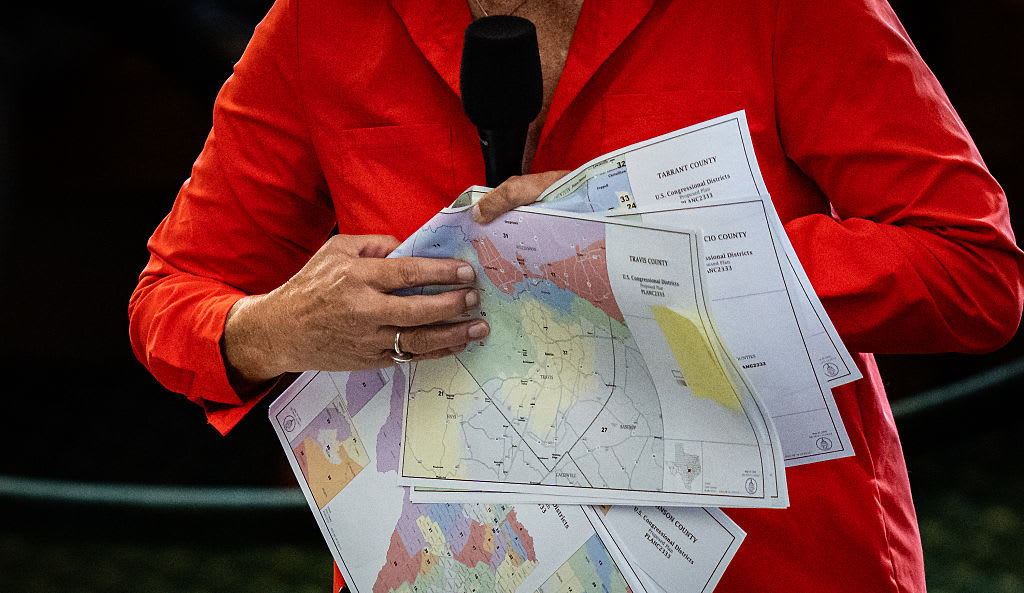
For decades, individual voters and civil rights organizations have been the main force bringing Section 2 lawsuits, often challenging district maps that dilute the power of minority communities. If courts ultimately rule that only the U.S. attorney general can file these cases, enforcement of the law could shrink sharply.
The orders also arrive soon after a separate Supreme Court decision that weakened Section 2 in a dispute over Louisiana’s congressional map. Taken together with earlier rulings that cut back on federal oversight of elections, the latest moves signal a continuing shift in how far federal courts will go to police voting rules and district lines.
Key Facts and Quotes
In brief, on Monday, the Supreme Court set aside lower-court decisions in redistricting cases from Mississippi and North Dakota and remanded them for further proceedings in light of its recent Section 2 ruling in Louisiana. Justice Ketanji Brown Jackson noted her dissent from the court’s decision to remand.
The North Dakota case was brought by the Turtle Mountain Band of Chippewa Indians, the Spirit Lake Tribe, and three Native American voters, who argued that new legislative maps drawn after the 2020 census diluted Native voters’ influence. A federal district court agreed, but North Dakota officials appealed, and the U.S. Court of Appeals for the 8th Circuit ruled that Section 2 could not be enforced by private plaintiffs using a separate civil rights statute known as Section 1983.
In doing so, the 8th Circuit concluded that when Congress wrote the Voting Rights Act in 1965, it intended only the attorney general to enforce Section 2, a ruling that currently applies to seven states in that circuit. In the Mississippi case, the state NAACP and 14 voters challenged legislative districts they said weakened Black voting strength. Mississippi officials likewise argued that Congress provided a single enforcement tool: Justice Department lawsuits.
“Although Congress had ambitious aims for the Voting Rights Act, its ambitions did not extend to buoying private litigation,” Mississippi officials wrote in a court filing, asserting that Congress “steered a new course in the VRA – embracing powerful remedies, but not private enforcement.” The Supreme Court’s latest orders do not directly address that claim, but they require the lower courts to revisit their rulings under the court’s newly narrowed reading of Section 2.
For now, most courts outside the 8th Circuit still recognize what lawyers call a “private right of action” under Section 2, allowing individuals and groups to sue. Voting rights advocates warn that if the Supreme Court eventually endorses the 8th Circuit’s view nationwide, many challenges to allegedly discriminatory maps and voting rules could never be brought.
What It Means for You
Voters in Mississippi, North Dakota, and other states covered by these cases may see their current legislative maps remain in place while the litigation continues, potentially affecting upcoming election cycles. The timing will depend on how quickly the lower courts act and how they interpret the Supreme Court’s newer guidance.
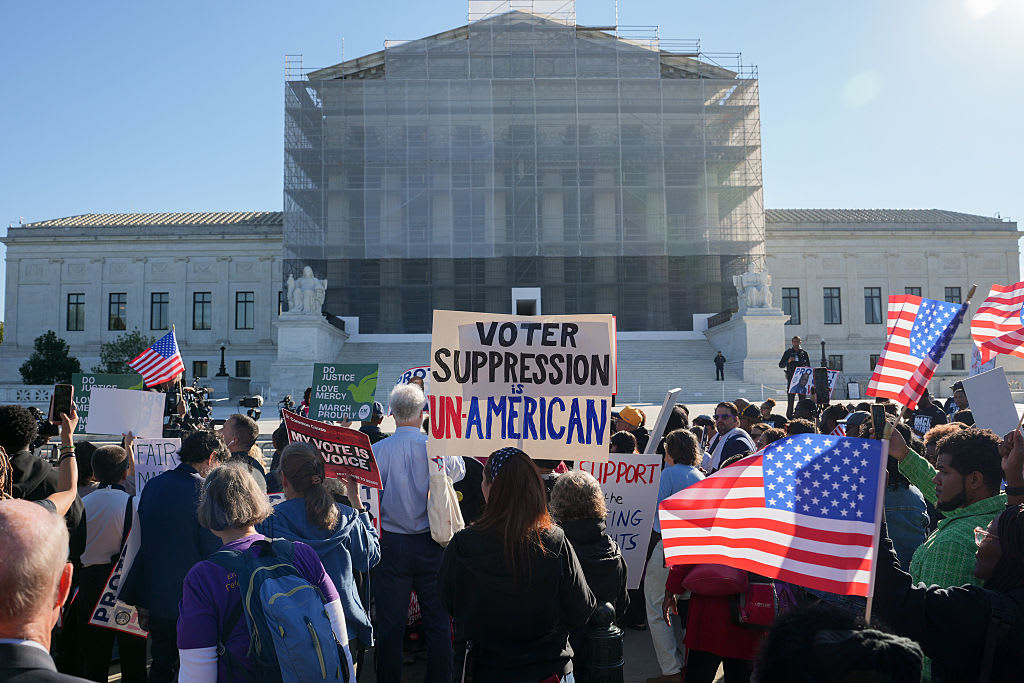
Across the country, the Supreme Court’s move keeps uncertainty alive over who can go to court to defend voting rights. Future rulings in these and related cases, or new legislation from Congress clarifying that private lawsuits are allowed, could reshape how easily Americans can challenge voting rules they see as discriminatory.
As these cases move forward, what balance do you think courts and Congress should strike in deciding how Americans can challenge voting rules they believe are discriminatory?
Sources
Supreme Court orders in Mississippi and North Dakota voting rights cases, May 18, 2026; CBS News politics report by Melissa Quinn on Supreme Court voting rights cases, May 18, 2026; federal district and appeals court opinions in post-2020 census redistricting cases from Mississippi and North Dakota; public legal filings by Mississippi and North Dakota state officials regarding enforcement of Section 2 of the Voting Rights Act.