



Why This Matters
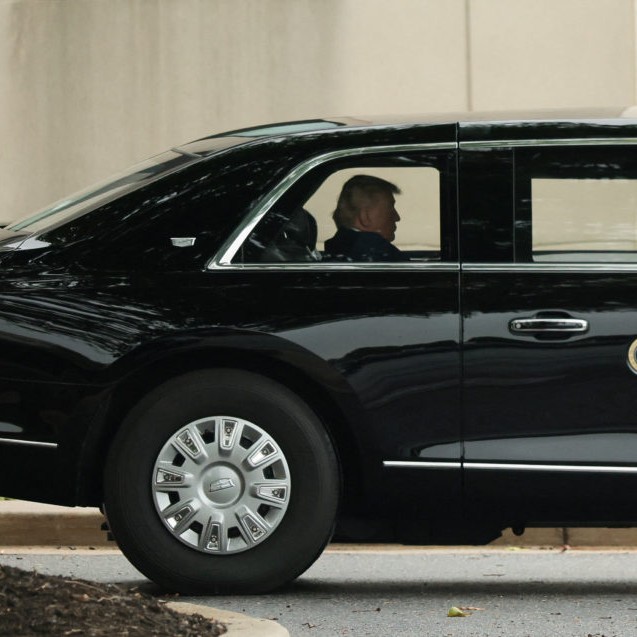
President Donald Trump, 79, spent more than three hours at Walter Reed National Military Medical Center on Tuesday for what the White House called preventive medical and dental exams. The visit, his fourth publicly disclosed exam since returning to office, has renewed scrutiny of his health as he seeks to project strength ahead of midterm elections.
The trip comes as the United States continues to elect presidents in their late 70s and early 80s, intensifying public concern about the physical and cognitive demands of the job. A Washington Post/ABC News/Ipsos poll from April found that less than half of U.S. adults believe Trump has the mental sharpness or physical health to serve effectively, sharpening debate over how transparent presidents should be about their medical records.
Key Facts and Quotes
According to the White House, Trump’s latest visit to Walter Reed was a routine, preventive checkup, though officials did not detail which tests were performed. In a social media post afterward, Trump described it as his “6-month physical” and said, “Everything checked out PERFECTLY.” White House spokesperson Davis Ingle said in a statement that Trump “remains in excellent health” and called him “the sharpest and most accessible President in American history.”
Dr. Jeffrey Kuhlman, a former White House physician under three presidents, said a complete exam for someone of Trump’s age typically includes advanced heart testing, cancer screening, and a cognitive assessment, along with basic measures such as blood pressure and weight. There is no law requiring presidents to disclose their medical records, and administrations traditionally release only selected results, approved by the president, a practice that has drawn criticism for limited detail during Trump’s tenure.
Trump’s known conditions include chronic venous insufficiency, diagnosed last July, a common problem in older adults that can cause blood to pool in the veins and lead to swelling in the feet, ankles, and calves. The White House has attributed the bruising on his hands to frequent handshakes and regular aspirin use, and officials have downplayed episodes in which he appeared drowsy in meetings, saying he did not fall asleep. A one-page summary after his last reported exam in October described him as in “exceptional health” but offered few specific numbers.
Trump has often touted having “aced” cognitive tests, including the Montreal Cognitive Assessment, with his physicians reporting a perfect 30-out-of-30 score in both 2018 and 2025. Critics point to his meandering speeches and heated rhetoric as possible signs of decline. More than 30 neurologists, psychiatrists, and other medical experts, who stressed they have never examined him, recently issued a statement arguing he is mentally unfit to serve and warning of an “increasingly dangerous decline” in his behavior. Ingle dismissed such comments as “armchair diagnosis,” saying that “any so-called medical professionals engaging in armchair diagnosis or false speculation for political purposes are clearly breaking the Hippocratic Oath.” Bioethicist Sara Rosenthal said, “We can expect very little disclosure about the true health status of any president unless they’re in perfect health,” and has urged the creation of an independent medical body to assess presidents. Aging expert S. Jay Olshansky said Trump’s exam schedule is typical for his age but argued that full records, not edited summaries, should be public, saying, “Nothing should be hidden.”
What It Means for You
For voters, the key question now is how much detail, if any, the White House will release from Trump’s latest exam and whether it will go beyond past brief summaries. The level of transparency could influence public confidence in his ability to serve a full term as the nation’s oldest elected president.
Looking ahead, Trump’s case may add momentum to calls for standardized health reporting for presidents and those in the line of succession, potentially involving independent medical reviewers. Any shift would have to balance a leader’s right to medical privacy with the public’s interest in understanding the health of the country’s top decision-maker.
As Americans continue to elect older presidents, what kind of medical transparency do you think is appropriate for anyone seeking or holding the office?
Sources
Associated Press report published by PBS NewsHour, May 26, 2026; White House statements by spokesperson Davis Ingle, May 2026; Washington Post/ABC News/Ipsos poll on presidential health, April 2026; Published comments by Dr. Jeffrey Kuhlman, Sara Rosenthal, and S. Jay Olshansky cited in the same reporting.