



Why This Matters
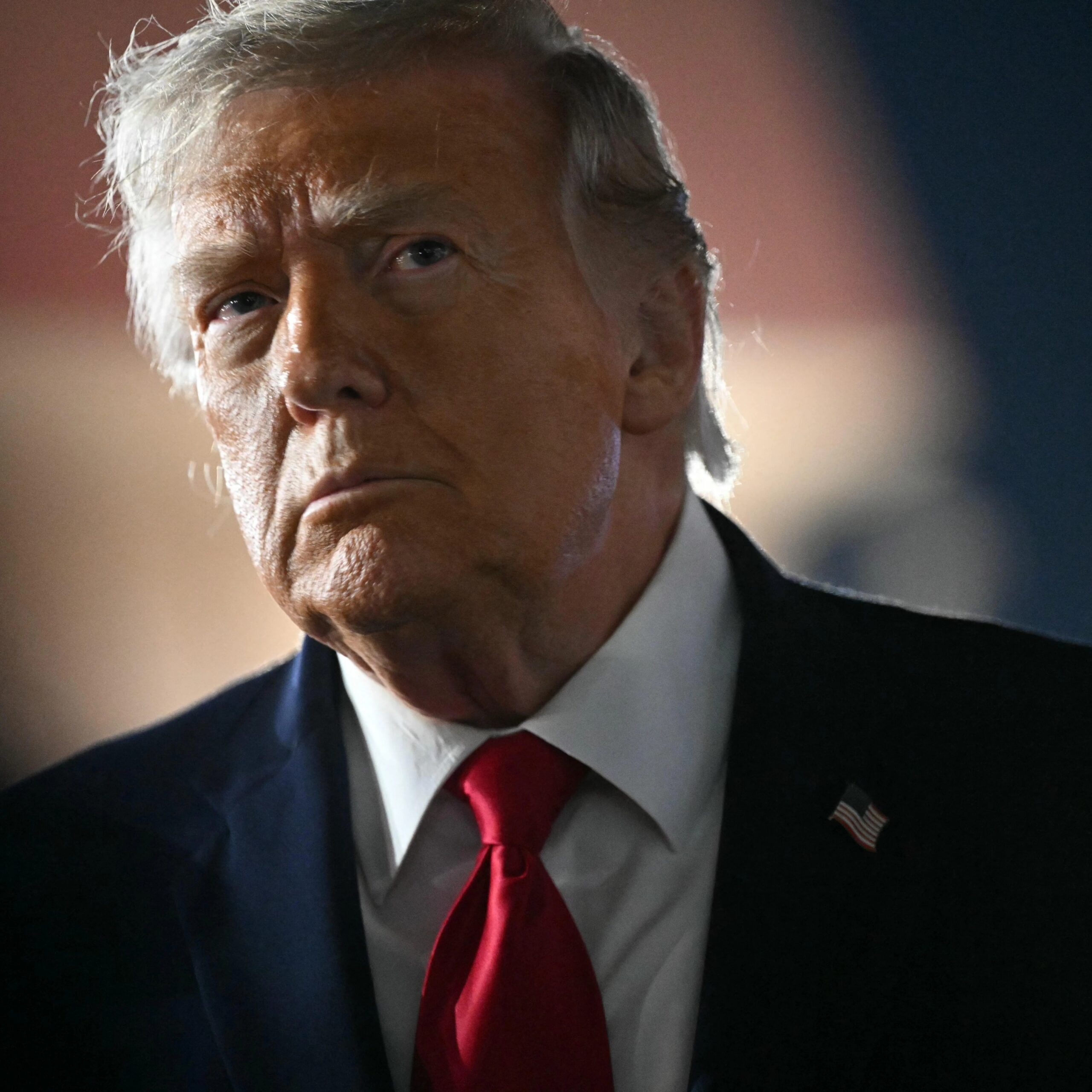
President Donald Trump’s new threat to “completely obliterate” parts of Iran’s energy and water infrastructure raises the stakes in an already expanding Middle East war. The warning links a possible ceasefire to the survival of facilities that power Iran’s economy and supply drinking water to millions.
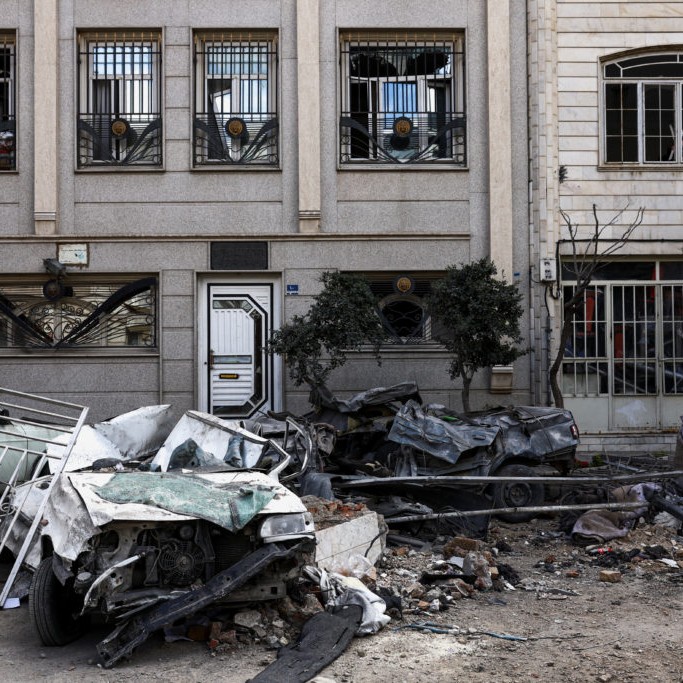
The showdown comes as Iran and its allies strike targets in Israel and Gulf Arab states, and as the United States and Israel hit sites across Iran. The fighting has already killed thousands across Iran, Lebanon, Israel, and neighboring countries, according to casualty figures cited by officials in the region.
Beyond the battlefield, the crisis is pushing up global energy prices and feeding concern about a broader economic shock. With the Strait of Hormuz, a narrow waterway critical to world oil shipments, partly choked by the conflict, pressure is growing on all sides to reach a durable ceasefire.
Key Facts and Quotes
In a social media post on Monday, Trump said “great progress is being made” in talks to end the war with Tehran. But he warned that if a deal is not reached “shortly,” and if the Strait of Hormuz is not fully reopened, the United States would expand its campaign to destroy Iranian power plants, oil wells, the Kharg Island oil export hub, and even desalination plants that provide drinking water, according to an Associated Press report.
BREAKING: Iran says Trump’s ceasefire claim is false. 🇮🇷❌ That puts Iran, Trump, ceasefire talks, Middle East tensions, US-Iran diplomacy, and peace talks on a collision course. Is this negotiation—or narrative warfare? Drop your thoughts 👇 #Iran #Trump #Ceasefire #MiddleEast pic.twitter.com/O8e0zsISPb
— Global Pulse (@newglobalpulse) March 30, 2026
Trump also told the Financial Times that his preference would be to “take the oil in Iran,” a move that would require seizing Kharg Island, the export terminal for nearly all of Iran’s oil. “Maybe we take Kharg Island, maybe we don’t,” he said. Iran has warned it would mine the Persian Gulf and launch a ground invasion of Gulf Arab states if U.S. troops enter its territory.
Tehran, meanwhile, has struck regional infrastructure targets. Iranian attacks have hit a power and desalination plant in Kuwait, killing one worker and wounding 10 soldiers, and damaged energy facilities in Israel and Gulf states, according to local officials and state media cited in the same report. Saudi Arabia says it intercepted multiple missiles aimed at its oil-rich Eastern Province, and a missile interception over Dubai produced a large fireball in the sky.
Diplomatic efforts are centered in Pakistan, which is trying to host talks between Washington and Tehran. An Iranian Foreign Ministry spokesman said Iran has received a 15-point proposal from the Trump administration but denied any direct negotiations so far. Iran’s parliament speaker dismissed the Pakistan track as a cover to deploy more U.S. troops, saying Iranian forces were “waiting for the arrival of American troops on the ground to set them on fire,” according to Iranian state media.
What It Means for You
The conflict is already affecting global markets. Attacks on energy infrastructure and restrictions in the Strait of Hormuz have helped push Brent crude to about $115 a barrel, nearly 60 percent higher than when the war began, the Associated Press reported. Higher oil prices usually work their way into gasoline, heating, and transportation costs over time.
For people in the United States and elsewhere, the next phase of this crisis will hinge on whether ceasefire talks advance and whether attacks on energy facilities and shipping lanes continue. A wider war – or a breakthrough that reopens trade routes and stabilizes oil supplies – could shape everything from inflation to retirement savings in the months ahead.
In a moment when energy, security, and diplomacy are so tightly linked, what outcomes do you think leaders should prioritize to reduce the risk of a wider regional war?
Sources
- Associated Press report by Jon Gambrell, David Rising, Mike Corder, and colleagues, carried by PBS NewsHour, March 30, 2026.
- Statements and casualty figures as quoted from U.S., Iranian, Israeli, Gulf, and United Nations officials in that report.