




TL;DR
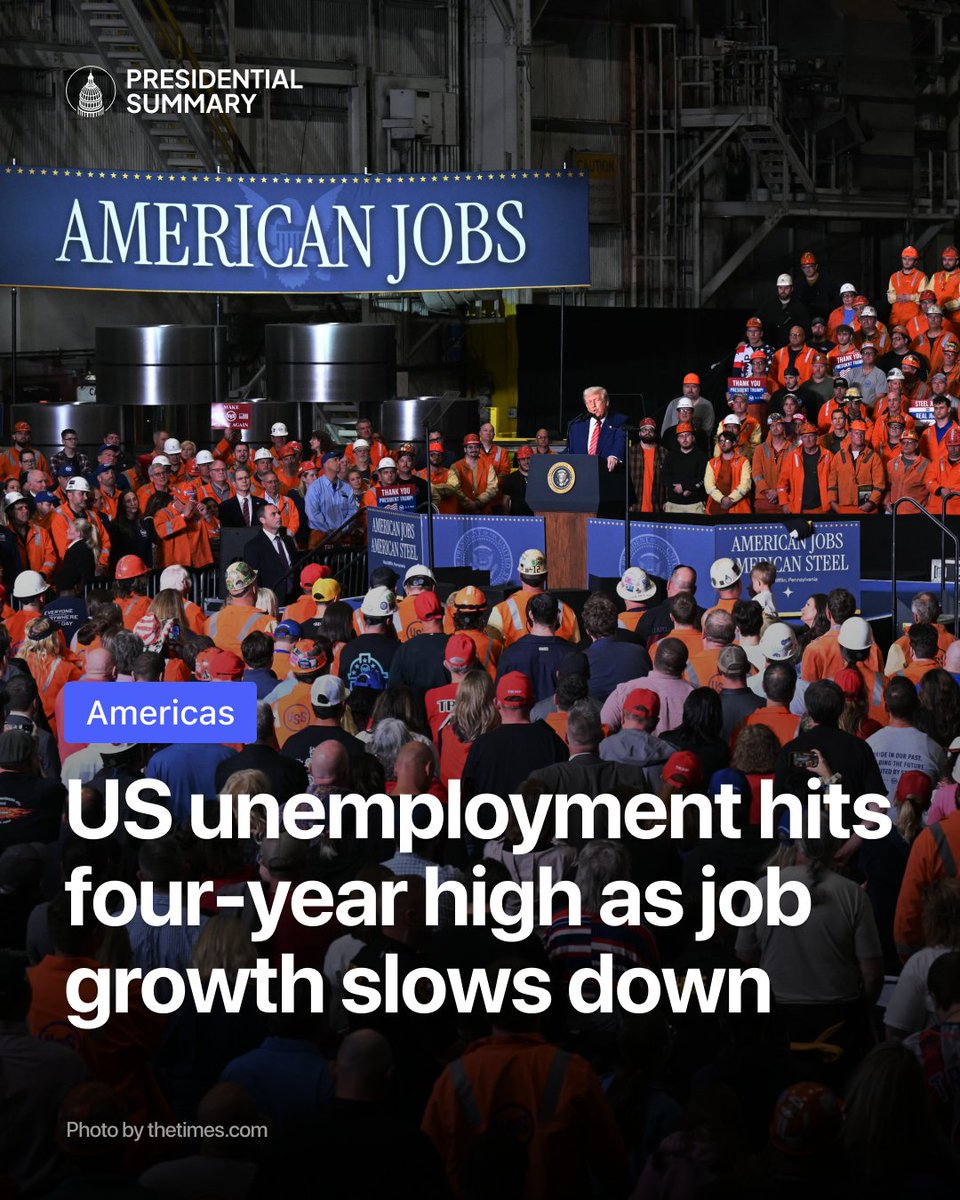
The latest U.S. jobs report shows unemployment at 4.6%, its highest level in four years, with modest hiring gains, federal job losses and a delayed release after a six-week government shutdown.
Why This Matters
The monthly jobs report from the U.S. Department of Labor is one of the clearest snapshots of the nation’s economic health. The latest figures, discussed on PBS NewsHour, point to a labor market that is cooling after several years of strong post-pandemic growth. Unemployment rising to 4.6% and repeated months of net job losses suggest that workers may face tougher conditions finding or keeping jobs.
At the same time, the report reflects an uneven economy. Some parts of the workforce are still adding jobs, while others are shrinking, especially at the federal level. The data were also delayed because of a six-week government shutdown, underscoring how political standoffs in Washington can ripple into everyday economic life, from paychecks to planning for retirement.
For households already dealing with higher prices and borrowing costs, a softer job market adds another layer of uncertainty. The direction of employment over the next few months will influence consumer confidence, business investment and policy debates heading into an election season.
Key Facts & Quotes
According to the latest Labor Department report, as summarized by PBS NewsHour, the U.S. unemployment rate has climbed to 4.6%, the highest level in four years. While that remains low by historical standards, it marks a steady rise from the near-record lows seen earlier in the recovery.
Payrolls still grew by 64,000 jobs in the most recent month, beating forecasts. But the report also shows a net loss of 105,000 jobs in October, the third time in six months that total employment has declined. That stop-and-start pattern is a key reason analysts are describing an ‘uneven’ economy.
US Jobs Report Breakdown: Labor Market Is Cracking
▫️ October: -105,000 jobs
▫️ November: +64,000 jobs
▫️ Last 6 months: 3 months of net job losses—> weakness is accelerating.
Unemployment just jumped to 4.6%, and Powell has already said this is the most important labor… https://t.co/A985kjo0qw pic.twitter.com/xxeyEWf5ea
— Ethereum Daily (@ETH_Daily) December 17, 2025
The largest recent losses have occurred in federal employment, with nearly 168,000 government positions reportedly eliminated over the past two months amid mass firings. The figures were released later than usual because a six-week federal government shutdown temporarily halted data collection and processing.
David Wessel, an economic analyst and director at the Brookings Institution, told PBS that the numbers point in a clear direction. ‘It suggests that the economy is weakening, that the labor market, which is where most of us earn our income, is slowing down,’ he said.
Sources: PBS NewsHour segment with Geoff Bennett and David Wessel (Dec. 16, 2025); U.S. Department of Labor monthly employment data.
What It Means for You
For workers and retirees, this latest update on the job market is a reminder to stay cautious. A higher unemployment rate and repeated months of net job losses can mean fewer openings, more competition for available positions and slower wage growth, especially for people changing jobs or re-entering the workforce in their 40s, 50s and 60s.
A cooling labor market can also influence interest rates, investment returns and public services if federal job cuts continue. Households may want to revisit emergency savings, review budgets and keep professional networks and skills up to date. The next few jobs reports will be important indicators of whether this is a brief slowdown or the start of a more prolonged weakening in the broader U.S. economy.
As you follow this top story in the months ahead, what signals matter most to you in judging how the economy is really doing where you live?