




TL;DR
UK ministers have confirmed government data was stolen in an October cyber-attack on Home Office systems. Officials say the risk to individuals is believed to be low, while a China-linked group is suspected but not formally named.
Why This Matters
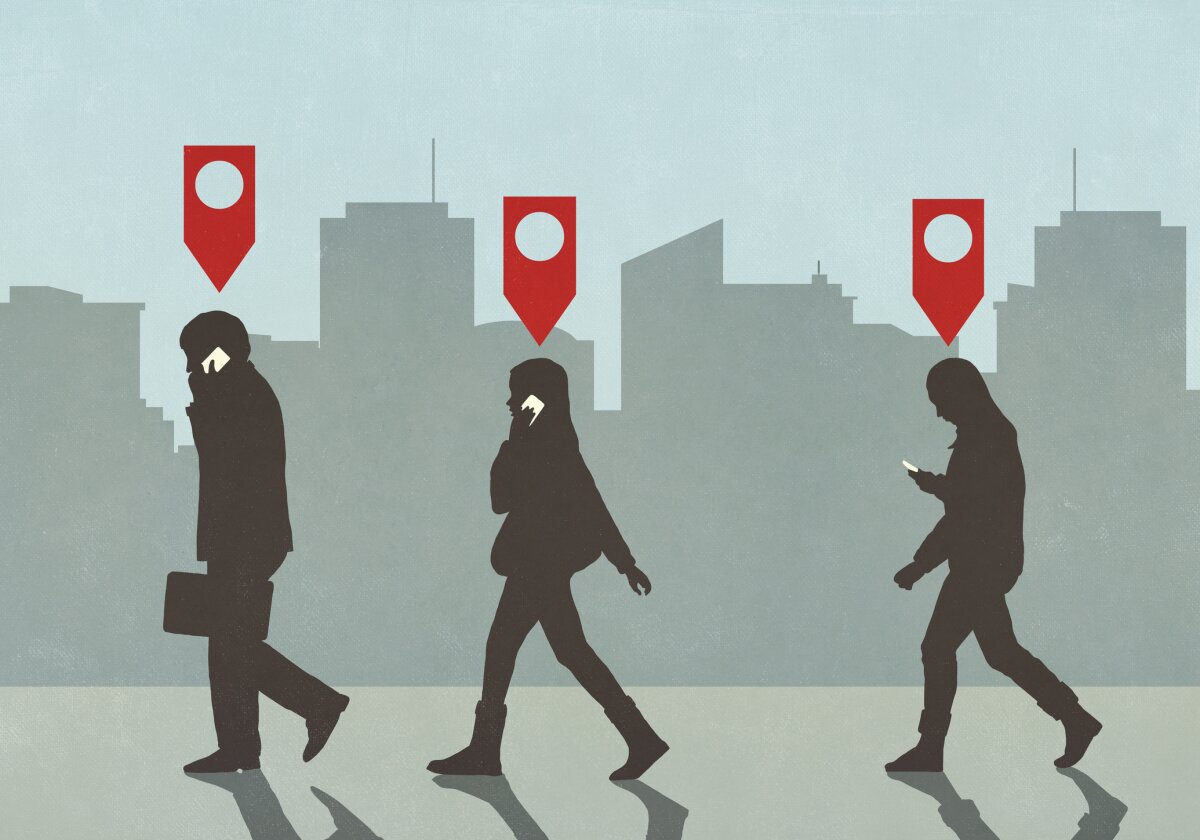
The latest cyber-attack on the British government highlights how national security, diplomacy and everyday data protection are increasingly intertwined. Government-held databases often contain highly sensitive details, from visa and immigration records to contact information and travel histories. Even when the immediate risk to individuals is described as “low,” stolen information can have long-term value for hostile states or criminal networks.
The incident comes at a delicate moment in UK-China relations. The government in London has said it wants to engage with Beijing on trade and global issues like climate change, while also warning that China poses significant security and espionage risks. A confirmed hack by a group linked to the Chinese state could complicate a planned visit to Beijing next year by Prime Minister Keir Starmer, expected to be the first such trip since 2018.
For other countries and businesses, the case underlines a broader global trend: state-backed cyber operations are targeting not just defence systems, but immigration, health and commercial data. It raises questions about how well older government IT systems are protected, and whether investment in cyber-security is keeping pace with the threat.
Key Facts & Quotes
Trade Minister Chris Bryant said government data had been stolen in a hack affecting systems operated on the Home Office’s behalf by the Foreign Office. Staff at the Foreign Office detected the incident and closed the security gap “pretty quickly,” he said in televised remarks.
Investigations are continuing, and officials believe the overall risk to individuals is “fairly low.” Bryant added, “We think that it is a fairly low-risk that individuals will have been compromised or affected,” while stressing that authorities are “working through the consequences of what this is.”
A group affiliated with China is understood to be the main suspect, according to people familiar with the assessment, though the UK government has not publicly named any actor. A government spokesperson said only that it was “working to investigate” the incident. The breach has been reported to the Information Commissioner’s Office, which oversees data protection law.
Press reports have indicated the attack took place in October and may have targeted visa-related information, though the full scope of the data accessed has not been confirmed. UK intelligence agencies have repeatedly warned about large-scale espionage activities attributed to China, including cyber operations aimed at political, commercial and technological information. Britain’s signals intelligence agency GCHQ has previously said it now devotes more resources to monitoring threats from China than from any other country.
China has consistently rejected accusations of state-backed hacking. A spokesperson for the Chinese embassy in London has previously called UK claims of Chinese espionage, cyber-attacks and transnational repression “entirely fabricated, malicious slander.”
Cyber experts say the incident also reflects long-running weaknesses in public-sector technology. Jamie MacColl, a senior research fellow in cyber and tech at the Royal United Services Institute, noted that government departments often rely on “old IT” systems, which can be harder to secure. Jake Moore, a global cybersecurity adviser at software firm ESET, said departments must invest in “better digital defences” because “they will continue to be targeted.”
What It Means for You
For most people, there is no immediate action required, and officials currently assess the risk to individuals as low. However, anyone whose data may sit in government systems-such as visa applicants, recent migrants or people who have interacted with the Home Office-may want to stay alert for unusual emails, texts or calls that ask for personal details or payments. Such information can sometimes be used later for identity theft or targeted fraud.
The episode is also a reminder that even well-resourced governments are struggling to keep older systems secure. That reality is likely to drive more public spending on cyber upgrades, new regulations on data handling, and greater scrutiny of how departments work with outside technology providers. For citizens, the key things to watch will be whether authorities publish clearer details of what was taken, how they plan to prevent a repeat, and what support they will offer if any affected individuals do face harm.
Sources: On-record statements from UK government ministers and spokespeople (December 2025); prior public statements by the Chinese embassy in London; public commentary from analysts at the Royal United Services Institute and cybersecurity firm ESET on government IT security and cyber risk.
What do you think: How much transparency should governments provide about cyber-attacks when full disclosure could itself expose security weaknesses?