

TL;DR
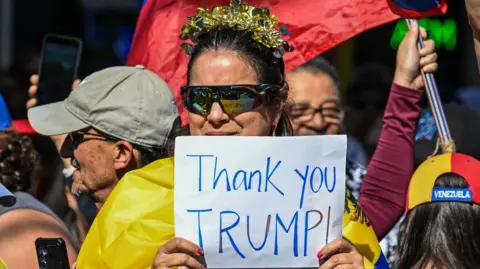
Residents of Doral, Florida, home to one of the largest Venezuelan communities in the United States, poured into the streets after reports that Venezuelan President Nicolas Maduro had been removed from power. Many celebrated and credited U.S. action, while others voiced uncertainty about who will lead Venezuela next and how deeply Washington will be involved.
Why This Matters
For many Venezuelans who left their country during years of economic crisis and political repression, news of Nicolas Maduro’s reported ouster is more than a headline. It raises hopes that family members back home could see relief from hyperinflation, shortages and insecurity, and that exiles might one day return.
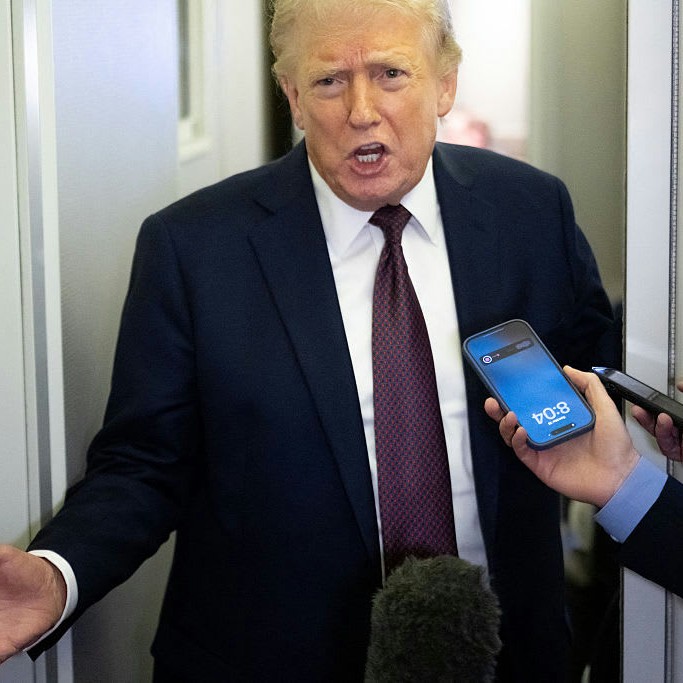
The reaction in Doral, sometimes called “Little Venezuela,” also highlights how closely U.S. domestic politics are intertwined with Latin American events. According to a BBC report published on 4 January 2026, some in the community credit U.S. special forces and former President Donald Trump for Maduro’s fall, underscoring how foreign policy can influence diaspora voters in a key U.S. swing state.
If confirmed, a sudden change of power in Caracas would have implications for regional stability, global oil markets and migration patterns toward the United States. The debate now unfolding in Florida over whether opposition figures such as Maria Corina Machado or members of the former ruling circle should shape Venezuela’s future reflects wider questions about accountability, reconciliation and who gets to define a “transition” after years of authoritarian rule.
Key Facts & Quotes
According to the BBC account, many in Doral learned of events in Venezuela before dawn, after reports that U.S. special forces had entered Maduro’s compound and taken him and his wife into custody. Venezuelan-born resident Rosana Mateos, who has lived in the United States since 2012, described being awakened by her husband: she said she “could not believe it” when told Maduro had been captured.

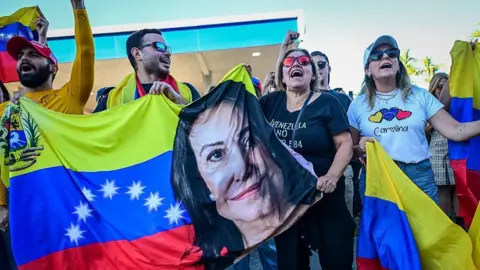
By morning, hundreds of Venezuelan expatriates and Venezuelan Americans gathered at El Arepazo, a popular restaurant and meeting point in Doral, to celebrate. The city, where more than 40% of residents are of Venezuelan origin, saw car horns blaring, music, flag-waving and chants as news spread.
Many in the crowd blamed Maduro for Venezuela’s economic collapse and welcomed his reported removal. A 21-year-old attendee, Luis Atristain, said he believed former President Trump had “really done this for the Venezuelan people” and predicted that new investment and a revived oil industry could follow, giving people reasons to return.
Others were more cautious. One resident, Ana Maria, told the BBC she was pleased Maduro was “gone” but unsure what U.S. involvement would look like. Some rejected any role for Vice President Delcy Rodriguez or other Maduro-era officials in a new government. Mateos said, “We do not accept a government of Delcy Rodriguez, or anyone that was part of the Maduro regime,” voicing support instead for opposition leader Maria Corina Machado and former opposition candidate Edmundo Gonzalez.
Still, a few in Doral doubted that any of the main Venezuelan political figures could quickly stabilize the country. One local marketing professional suggested that, at least in the short term, Washington would have to steer Venezuela toward what he called a more inclusive transition.
What It Means for You
For U.S. readers, especially those in Florida and other states with large Latin American communities, the latest update from Doral is a reminder that events abroad can reshape local politics and daily life. A power shift in Venezuela could influence migration trends, oil prices and debates in Washington over sanctions and foreign intervention.
Families with loved ones in Venezuela may soon face decisions about travel, remittances and even whether to return if conditions improve. Voters may hear more competing claims about who deserves credit, what role the United States should play and how to balance support for democracy with concerns about deeper military involvement.
As details about Maduro’s fate and any interim arrangements in Caracas become clearer, key questions will include whether new elections are called, how former regime figures are treated, and whether opposition leaders can unite. For now, Doral’s mix of joy and unease captures both the hope and uncertainty that follow sudden political change.
Sources
- BBC News, report on reactions in Doral, Florida, 4 January 2026.
How involved do you think the United States should be in shaping Venezuela’s political future after any change in leadership?