


Why This Matters
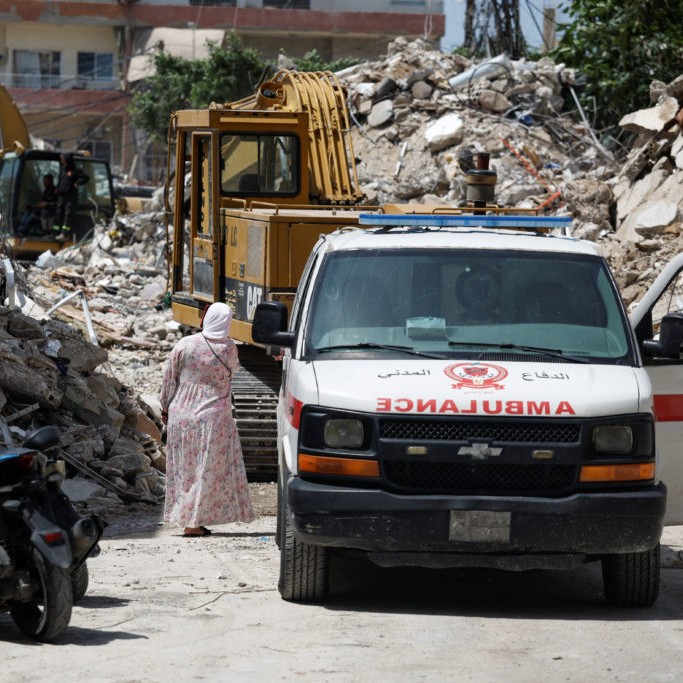
Witnesses in southern Lebanon say a series of Israeli strikes hit three ambulances responding to earlier attacks, killing four paramedics and wounding six others near the village of Mayfadoun. The incident unfolded during the Israel-Hezbollah war and has drawn sharp criticism from international health and human rights bodies.
Medical personnel and emergency vehicles are protected under international humanitarian law, which governs conduct in war. The U.N. human rights office said it was shocked by the reported strikes and warned that intentionally targeting medics could constitute a war crime if proven.
Humanitarian groups say the Mayfadoun attacks are part of a wider pattern of strikes affecting Lebanon’s health system. According to agencies cited in the reporting, an average of two health workers were being killed each day before a 10-day truce took hold, and dozens of clinics and hospitals have been damaged or forced to shut.
Key Facts and Quotes
The Associated Press, citing paramedics and video footage, reports that the incident began when two ambulances were allegedly struck near Mayfadoun. When a third team from Nabatiyeh arrived late Wednesday morning, they found both vehicles wrecked, with tires blown, windows shattered, and six of eight crew members bleeding on the ground or inside the ambulances.
Paramedic Mohammed Jaber, 43, told reporters he felt sick and could not believe his eyes as he and colleagues rushed to load the most seriously wounded into their still-working ambulances. As team leader, Mahdi Abu Zaid moved to close the doors, witnesses say an Israeli drone hit again, shattering windows and fatally injuring the 30-year-old volunteer, a father of a four-year-old son.
The accounts from surviving medics match footage from a camera strapped to one responder, according to the report. The video is described as showing a barrage of fire hitting the ambulance while workers administered first aid to bloodied colleagues, one breathing shallowly through an oxygen mask. A fourth rescue team later evacuated the wounded without being targeted.
The first two ambulance teams were dispatched by the Islamic Health Committee, a major provider linked to Hezbollah, and the Risala Scout Association, affiliated with the Amal movement. The World Health Organization has reported that 59 primary health care centers in Lebanon have been forced to close due to Israeli attacks, and said Israeli strikes also damaged Tebnine Government Hospital twice in three days, wounding 11 medical workers. The Israeli military said it was aware of reports about the Mayfadoun ambulance incident and that it is under review.
What It Means for You
For U.S. readers, the episode highlights how modern conflicts can blur traditional red lines meant to protect doctors, nurses, and paramedics. Such incidents may shape debates in Washington over military support, arms transfers, and conditions on assistance to partners engaged in urban or cross-border warfare.
The situation also affects how international agencies operate in war zones. The outcome of the Israeli review, any independent investigations, and whether the current truce reduces attacks on health facilities will be key indicators for humanitarian groups planning how and where to deploy medical teams.
In your view, what protections or accountability measures are most important to help keep medical workers and patients safe in active conflict zones?
Sources
Associated Press reporting published by PBS NewsHour on April 18, 2026; statements attributed to the Israeli military, the U.N. human rights office, and the World Health Organization as cited in that reporting.