



TL;DR
Attacks at Old Dominion University in Virginia and at a major synagogue near Detroit, carried out less than two hours apart, left one person dead, plus several injured, and have intensified concerns over security at U.S. campuses and houses of worship.
Why This Matters
The latest update from authorities underscores a widening worry: schools and religious centers are again at the center of high-profile violence. The shooting in a university classroom and the vehicle-and-gun assault at a synagogue came during ordinary weekday activities, when many assume they are safest.
Both incidents are being examined through the lens of terrorism and hate violence, reflecting a climate shaped by wars abroad, domestic extremism, and rising antisemitism. Federal investigators say the Old Dominion case is being probed as an act of terrorism, while the synagogue attack is described as violence targeting the Jewish community, though not formally labeled as terrorism so far.
For many Americans, these events raise difficult questions about how well the justice system tracks people with past terrorism convictions, how grief and global conflict can spill into local communities, and what security measures are realistic for campuses and congregations already stretched for staff and funding.
After domestic terrorist attacks at a synagogue in Michigan and at Old Dominion University in Virginia, we are asking the question; how concerned should we be in Charlotte?
Details –> https://t.co/oqtq5DXuLX pic.twitter.com/XXum9cxFT6
— WBTV News (@WBTV_News) March 14, 2026
Key Facts & Quotes
At Old Dominion University in Norfolk, Virginia, officials say 33-year-old Mohamed Bailor Jalloh entered a classroom on Thursday, shouted “Allahu akbar” and asked whether an ROTC event was underway before opening fire. He killed Lt. Col. Brandon Shah, an ROTC leader, and wounded two others before ROTC students subdued and killed him.
Investigators say Jalloh was a naturalized U.S. citizen from Sierra Leone and a former specialist in the Virginia Army National Guard, honorably discharged in 2015. Court records show he pleaded guilty in 2017 to providing material support to the Islamic State group and received an 11-year federal sentence, but he was released early in 2024 after completing a drug treatment program.
Jalloh had been moved to a halfway house in August 2024 and later freed from federal custody; he was on probation and taking online courses at Old Dominion at the time of the shooting. Federal officials say the campus attack “is being investigated as an act of terrorism,” and they have praised the ROTC students for preventing further casualties.
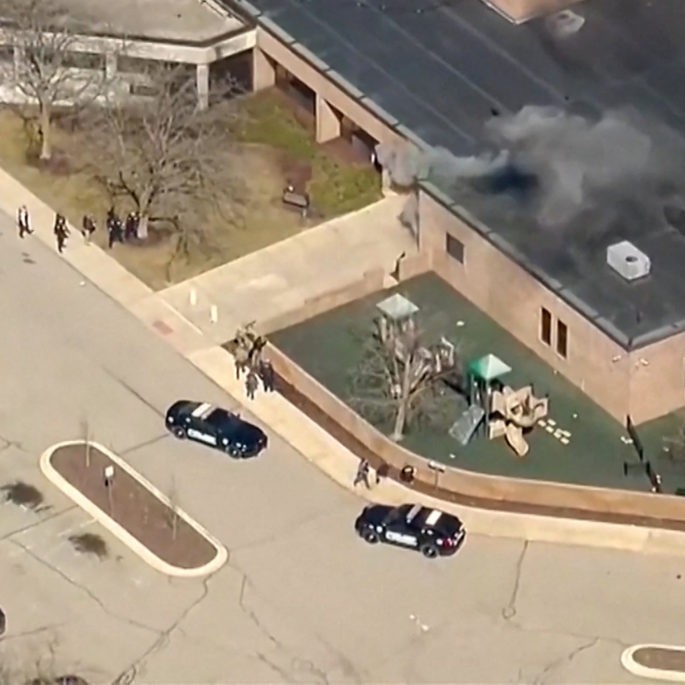
Near Detroit, 41-year-old Ayman Mohammad Ghazali waited outside Temple Israel, one of the country’s largest Reform synagogues, for about two hours with a rifle, commercial-grade fireworks, and jugs of liquid believed to be gasoline. Authorities say he rammed his vehicle into the building, where roughly 140 children and staff were inside, then fired through his windshield in a shootout with an armed security guard before fatally shooting himself as his vehicle burned.
Ghazali was a Lebanese-born U.S. citizen who, according to a local official in his hometown, had recently learned that an Israeli airstrike in Lebanon killed his two brothers, a niece, and a nephew and badly wounded his mother. The FBI, which is leading the Michigan investigation, has called the incident an act of violence targeting the Jewish community but says it lacks enough evidence so far to classify it legally as terrorism.
What It Means for You
For parents, students, worshippers, and staff, these attacks may heighten anxiety in spaces that many see as second homes. They also highlight the growing role of armed security, emergency drills, and active-shooter planning in everyday life, from college classrooms to children’s religious programs.
Officials are likely to face pressure to explain how a man with a prior terrorism conviction gained early release, and whether security standards at schools and synagogues are sufficient. Community members can expect renewed discussions about mental health support, interfaith outreach, and practical safety steps such as evacuation training and communication plans.
Sources:
- Statements and briefings from federal and local law enforcement officials in Virginia and Michigan (March 12-14, 2026).
- U.S. federal court and corrections records (March 2026).
- Public information from Temple Israel leadership and local authorities in Lebanon (March 2026).