



TL;DR
More than 1,000 Afghan refugees left in limbo by a U.S. refugee freeze are stuck on a disused base in Qatar, and now face reported Iranian missile strikes nearby, according to a recent public television news report.
Why This Matters
This story sits at the crossroads of U.S. immigration policy, Middle East security, and the long tail of war. Refugees who believed they were on a safe, lawful path to the United States instead find themselves stranded in a new conflict zone.
According to the report, around 1,100 Afghans were vetted and prepared for resettlement before a Trump-era freeze halted most refugee processing. That left them living for more than a year on an old military base in Qatar, with no clear timeline for when – or if – they might move on.
The latest update describes how these families, many of them women and children, are now directly affected by regional tensions as Iran launches ballistic missiles toward targets in Qatar. For U.S. readers, the situation raises difficult questions about how American policy decisions reverberate abroad, how long-term obligations to wartime partners are handled, and what it means when people who followed the rules are left exposed to new dangers.
Key Facts & Quotes
A recent televised report from Qatar says roughly 1,100 Afghan refugees have been confined for more than a year on an unused military base after the Trump administration froze most refugee admissions. Official records from 2017 show that U.S. refugee entries were sharply reduced and temporarily suspended following executive orders that changed vetting rules and cut annual admissions.
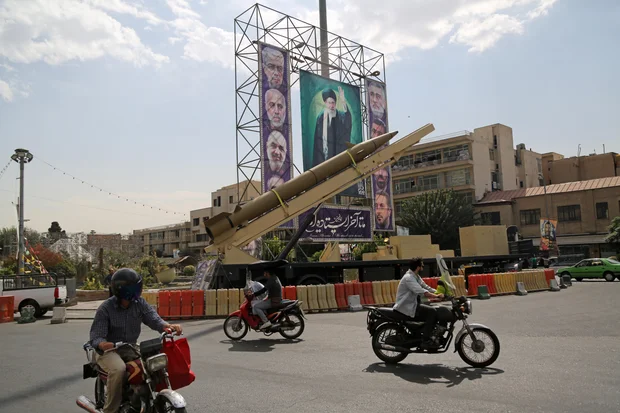
More than half of those stranded are women and children, the report says. Camp residents described recurring air-raid sirens and “incoming volley” warnings as Iran fires ballistic missiles toward the Gulf state, targeting facilities that include a major U.S. base. One passage from the report notes that families “are trapped between Iran and the U.S. base that’s become the principal target of Iran’s attacks here.”
Refugees interviewed by the broadcaster described panic in the camp, with some pregnant women fearing they could miscarry from stress. Aid workers and rights advocates have long warned that prolonged uncertainty – especially in fenced, isolated facilities – can deepen trauma for people already fleeing war. While the report did not specify any fatalities in the camp, it emphasized that these Afghans had successfully escaped one war only to find themselves living under the shadow of another.
What It Means for You
For many Americans, immigration and refugee debates can feel abstract. This story shows the human impact of policies that slow or halt resettlement, especially on people who have already cleared security checks and believed they were headed for new lives in the United States.
Taxpayers ultimately help fund refugee programs, emergency evacuations, and overseas bases that provide temporary shelter. How Washington handles cases like these – whether by speeding up processing, improving transparency, or expanding alternatives – will shape future costs, both financial and moral.
Looking ahead, watch for any changes in U.S. refugee admissions caps, new security agreements with Gulf states, and updates from humanitarian groups about the camp’s conditions. Those shifts will signal whether families stuck in places like Qatar move closer to permanent homes or remain in long-term limbo.
How do you think the United States should balance security, cost, and responsibility to people left waiting in its refugee pipeline?
Sources: Public television news report from Qatar (March 10, 2026); U.S. government summaries of 2017 refugee policy changes and admissions data.