



Why This Matters
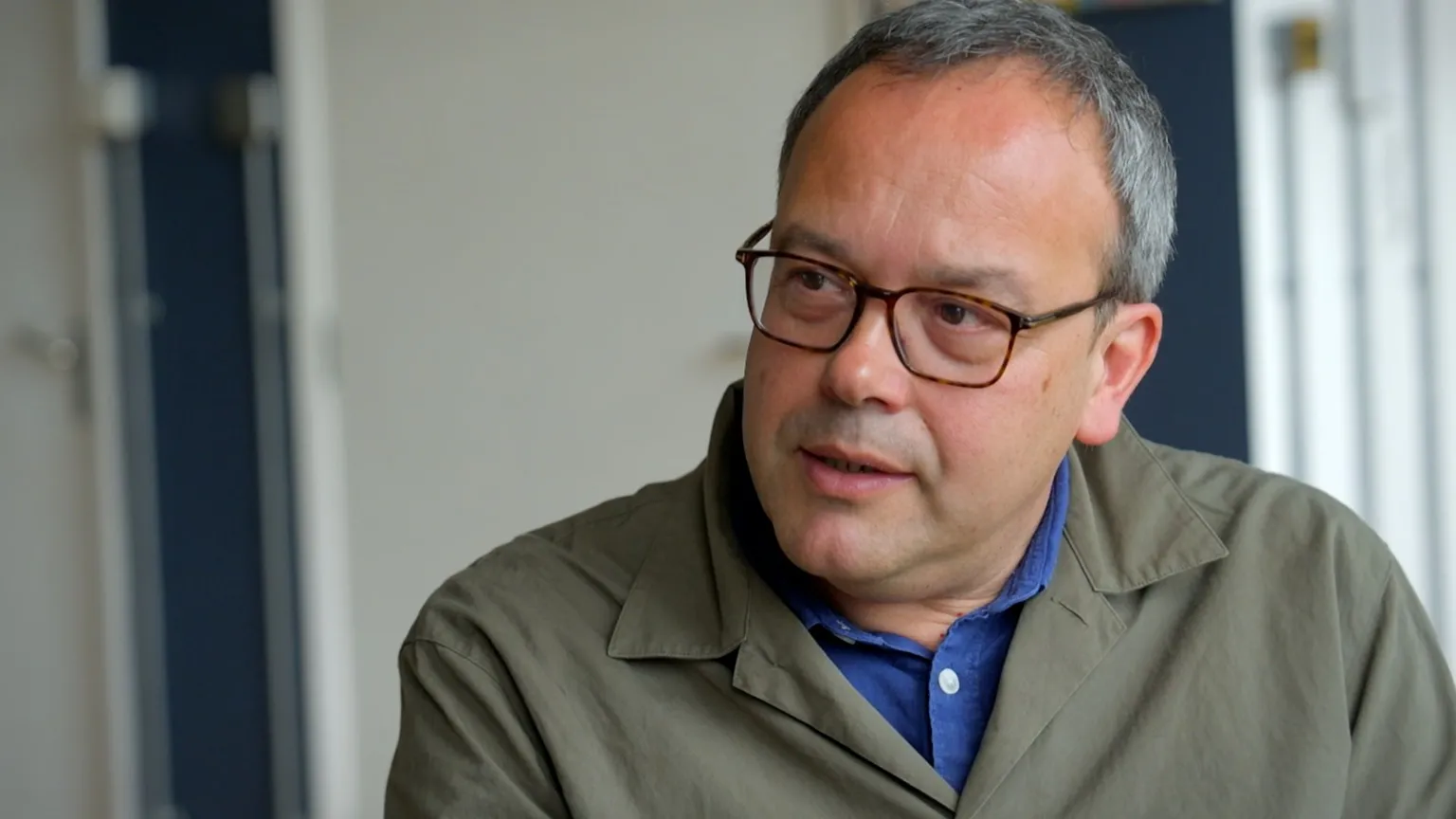
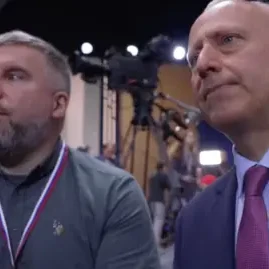
British journalist Steve Rosenberg, the long-time Moscow editor for the BBC, is offering a rare inside look at what it now means to report from Russia. His account, shared in a new documentary and companion article, comes as the Kremlin’s full-scale invasion of Ukraine enters its third year and media restrictions tighten further.
Independent and foreign reporting remains one of the few ways outsiders can see how the war and sanctions are reshaping Russian society. But the pressures he describes – public vilification, punitive laws and shrinking access – mean there are fewer voices on the ground and greater risks for those who stay.
Global press-freedom groups say Russia has moved sharply away from even limited media pluralism since 2022, adopting broad laws against “discrediting” the army and blocking many foreign news outlets. For U.S. and European audiences who rely on international coverage to understand the war in Ukraine, the story behind the story is increasingly part of the news itself.
Key Facts & Quotes
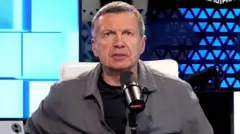
In his first-person piece and in the BBC Panorama film Our Man in Moscow, Rosenberg recounts being attacked on Russian state television by prominent talk-show host Vladimir Solovyov. On air, Solovyov called the BBC a “conscious enemy” of Russia and mocked Rosenberg by name while railing against the United Kingdom.
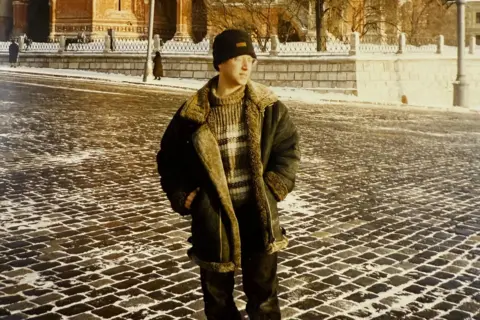
Rosenberg writes that he has lived and worked in Moscow for more than 30 years and once felt deeply connected to the Russian language and culture. That sense, he says, “melted away” after the Kremlin’s full-scale invasion of Ukraine in February 2022, which he describes as “the darkest of paths” and the deadliest conflict in Europe since World War Two.
He details how new laws adopted after the invasion made criticism of the military a criminal offense and led to BBC platforms being blocked inside Russia. “Suddenly reporting from Russia felt like walking a tightrope over a legal minefield,” he notes, with the challenge to remain accurate without falling foul of vague statutes.
Called an “enemy” on the street and still reporting. 🎥🇷🇺
Steve Rosenberg walks a tightrope in Russia: calm, clear, and unflinching while facing insults and tough questions. 🧭#Journalism #PressFreedom #ReportingLive #Russia #Putin #academicblock pic.twitter.com/TU2CsewZxs— Academic Block (@AcademicBlock_) February 2, 2026
According to Rosenberg, foreign reporters from countries deemed “unfriendly,” including the UK, now receive short-term visas and face extra scrutiny at the border. Many Russians who once spoke freely to Western media are newly hesitant, fearing association with foreign outlets. The 2023 arrest on espionage charges of Wall Street Journal reporter Evan Gershkovich, condemned as baseless by his employer and U.S. officials, underscored that a foreign passport is no guarantee of safety. Press-freedom group the Committee to Protect Journalists has listed Russia among the world’s leading jailers of journalists in recent years.
What It Means for You
For news consumers in the U.S. and elsewhere, Rosenberg’s account helps explain why independent reporting from Russia has become rarer and sometimes slower, even as interest in the war’s “latest update” remains high. Fewer accredited correspondents, tighter travel rules and the risk of prosecution all shape what the world can reliably know about life inside Russia and the conduct of the war in Ukraine.
Viewers and readers may see more reliance on satellite imagery, open-source analysis and interviews with exiled Russians, rather than on-the-street reporting in Moscow or regional cities. Following how governments treat journalists – domestic and foreign – is one way to gauge the broader climate for transparency and public debate in any country.
Sources
- Steve Rosenberg, BBC Russia editor, personal account and Our Man in Moscow documentary description, published February 2, 2026.
- Committee to Protect Journalists, “Russia and the global crackdown on press freedom,” annual prison census and country reports, 2022-2023.
Question for readers: How does knowing more about the risks journalists face in Russia affect the way you read or watch news about the war in Ukraine?