



TL;DR
The Justice Department is investigating protesters who disrupted a St. Paul church service to oppose an ICE field director who also serves as a pastor, raising questions over free speech, religious protections and immigration enforcement tactics.
Why This Matters
The clash in St. Paul sits at the intersection of immigration policy, religious freedom and the right to protest – three issues that have been central to U.S. public life in recent years.
On one side, federal officials say houses of worship are protected spaces and argue that storming a church service crosses a legal and moral line. On the other, civil rights activists contend that aggressive immigration raids and the fatal shooting of 37-year-old mother of three Renee Good justify direct action, especially when they believe a spiritual leader also oversees those federal operations.
The outcome of this investigation could influence how far protesters can go when targeting officials in their private or religious roles, and how the government applies federal civil rights and criminal laws to disruptions inside churches. It may also shape how congregations, particularly in immigrant and politically divided communities, think about security and the role of clergy who hold powerful government posts.
For a country still debating the balance between law enforcement authority and community oversight, this latest update from Minnesota highlights how those tensions now reach into the pews.
Key Facts & Quotes
The U.S. Department of Justice said it is investigating potential federal civil rights violations after protesters disrupted Sunday services at Cities Church in St. Paul, Minnesota. A livestream of the event, posted by Black Lives Matter Minnesota, showed demonstrators chanting “ICE out” and “Justice for Renee Good” during the service.
More on the church protest today, where they say the pastor is also an ICE field office director.
The DOJ says they’re investigating. https://t.co/JAIA5ckjIN pic.twitter.com/SSLzrZT0Kl
— The Tennessee Holler (@TheTNHoller) January 19, 2026
Good, a 37-year-old mother of three, was fatally shot by an Immigration and Customs Enforcement agent in Minneapolis earlier this month amid stepped-up federal immigration enforcement in the region.
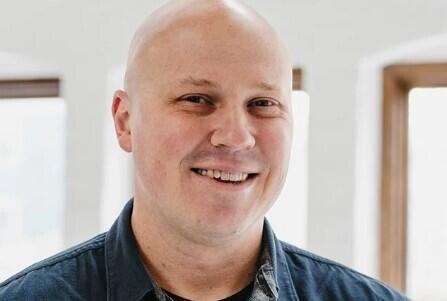
Protesters allege that one of the church’s pastors, David Easterwood, is also the acting director of ICE’s St. Paul field office, which oversees operations they say have involved violent tactics and illegal arrests. Cities Church’s leadership page lists Easterwood as a pastor, and court filings identify a David Easterwood as acting field office director; public details appear to match.
Assistant Attorney General Harmeet Dhillon said her agency is probing whether federal civil rights laws protecting houses of worship were violated, stating on social media that “A house of worship is not a public forum for your protest! It is a space protected from exactly such acts by federal criminal and civil laws!”
Attorney General Pam Bondi said she has been in “constant communication” with Dhillon about the case and vowed that any violation of federal law “will be prosecuted.” She added that attacks against law enforcement and intimidation of Christians would be met with “the full force of federal law.”
ICE, in a statement, said “Agitators aren’t just targeting our officers. Now they’re targeting churches, too,” and accused protesters of “going from hotel to hotel, church to church, hunting for federal law enforcement.”
Activists rejected the federal response. Nekima Levy Armstrong, an ordained reverend who leads the local Racial Justice Network and joined the protest, called the investigation a distraction from what she described as “barbaric ICE agents” operating in the community. “If people are more concerned about someone coming to a church on a Sunday and disrupting business as usual than they are about the atrocities that we are experiencing in our community, then they need to check their theology and they need to check their hearts,” she said.
Black Lives Matter Minnesota co-founder Monique Cullars-Doty questioned how a church leader could also oversee enforcement actions: “If you got a head – a leader in a church – that is leading and orchestrating ICE raids, my God, what has the world come to?”
In a January 5 court filing, Easterwood defended ICE tactics in Minnesota, including swapping license plates, using chemical irritants and employing flash-bang devices, citing increased threats against agents. He said he was unaware of agents “knowingly targeting or retaliating against peaceful protesters or legal observers” with crowd-control devices.
Cities Church did not respond to calls or emails seeking comment, and it was not immediately clear whether Easterwood was present during the disrupted service.
What It Means for You
For many Americans, especially those active in faith communities or concerned about immigration policy, this story raises practical questions. Could protests enter your place of worship? How will federal authorities weigh the right to demonstrate against protections for religious services?
The investigation may lead to criminal charges, new guidance to law enforcement, or both. It could also prompt churches to revisit security plans, particularly when clergy or congregants hold prominent public roles. At the same time, immigration enforcement and its human impact – including cases like the death of Renee Good – are likely to remain flashpoints.
In the coming weeks, watch for updates on whether federal prosecutors file charges against any protesters, whether civil rights groups challenge those moves, and how local faith leaders respond to the growing overlap between the sanctuary of the church and the front lines of national policy debates.
Sources
Information in this report is based on official statements from the U.S. Department of Justice, U.S. Immigration and Customs Enforcement, and protest organizers’ livestreams and public posts on January 19, 2026, as well as federal court filings dated January 5, 2026, related to ICE operations in Minnesota.
How do you think communities should balance the right to protest with protecting the sanctity and safety of religious services?