



TL;DR
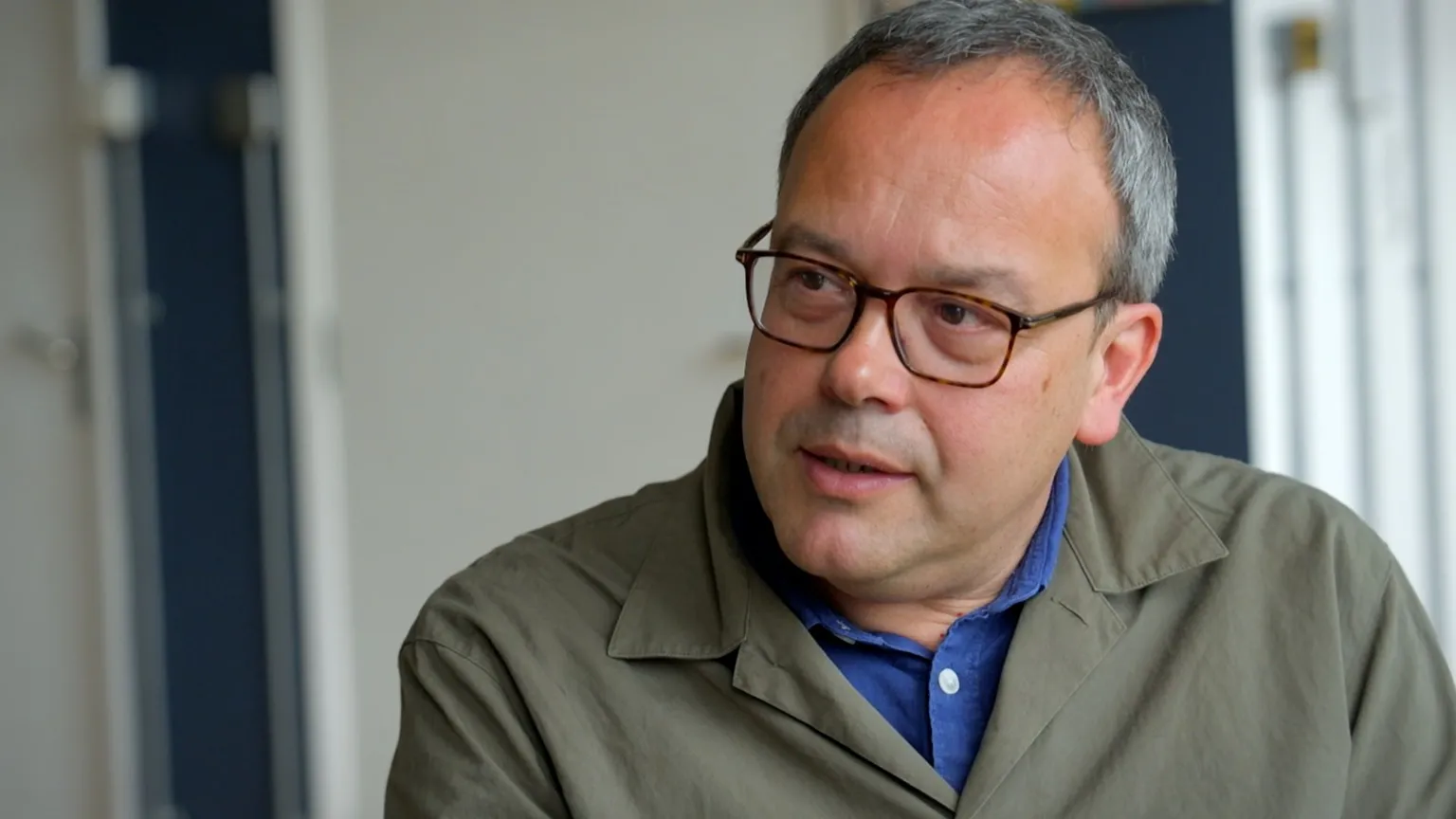
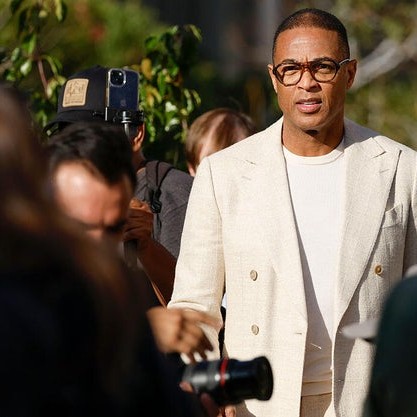
Don Lemon says federal agents unnecessarily arrested him at a Los Angeles hotel after a Minnesota grand jury indicted him over his coverage of a church protest.
Why This Matters
The confrontation between Don Lemon and federal agents touches on two core American principles: freedom of the press and freedom of worship. Lemon, now working as an independent journalist, says he is being prosecuted for documenting, not joining, a protest that disrupted a church service in Minnesota. Prosecutors, by contrast, have charged him and others with conspiring to interfere with congregants’ First Amendment right to worship.
The case arrives amid a wider debate over how far authorities can go when protests collide with other constitutional rights. It also revives questions about how law enforcement treats journalists who are near or inside fast-moving demonstrations, a flashpoint during recent protests over policing, immigration, and other divisive issues.
Lemon’s account of being arrested by about a dozen agents at a hotel, despite his offer to surrender, will likely sharpen public scrutiny of federal tactics. The involvement of late-night host Jimmy Kimmel, who has himself faced network discipline over politically charged remarks, further pulls this legal dispute into the center of the national conversation about speech, accountability, and power.
Key Facts & Quotes
According to Lemon’s televised interview, about a dozen federal agents approached him in the hallway of his Los Angeles hotel last week to arrest him on federal civil rights charges linked to a protest inside Cities Church in St. Paul, Minnesota, on Jan. 18. The church’s pastor also holds a senior role at U.S. Immigration and Customs Enforcement, and demonstrators opposed immigration enforcement policies.
Lemon said he had already offered, through his attorney, to voluntarily turn himself in. Instead, he told host Jimmy Kimmel, “I was walking up to the room, and I pressed the elevator button and then all of a sudden I feel myself being jostled and people [were] trying to grab me and put me in handcuffs.”
He said the agents initially could not produce a paper warrant. Lemon recalled that an FBI agent later showed him a copy on a mobile phone. He also said he was denied an immediate phone call and held in a courthouse holding room from around midnight until early afternoon the next day.
A Minnesota grand jury has indicted Lemon, fellow independent journalist Georgia Fort, and others on charges including conspiracy and interfering with the First Amendment rights of worshippers. Lemon maintains he was present strictly as a reporter: “I went there to be a journalist. I went there to chronicle, document, and record what was happening.”
What to know about the civil rights charges Don Lemon faces for covering church protest in Minnesota ➡️ https://t.co/2JiiQgEqeg pic.twitter.com/QSrHw4dO3j
— WBKO News (@wbkotv) February 1, 2026
His attorney, Abbe Lowell, called the prosecution “an unprecedented attack on the First Amendment” and a “transparent attempt to distract attention from the many crises facing this administration,” pledging that Lemon will fight the charges “vigorously and thoroughly in court.” Federal law enforcement agencies have not publicly commented on the arrest or the indictment.
Kimmel introduced Lemon on his show by saying he “was arrested for committing journalism.” The host’s own program was briefly suspended by his network last year after controversial remarks about a slain conservative activist, an episode that drew criticism from civil liberties advocates and questions in Congress about political pressure on broadcasters.
What It Means for You
For many viewers and readers, this case serves as a test of how U.S. institutions balance competing rights when protests move into sensitive spaces like houses of worship. If prosecutors prevail, press-freedom advocates worry it could discourage journalists from closely covering disruptive demonstrations for fear of being swept up in criminal cases.
The outcome could also clarify how far law enforcement may go when arresting people who have signaled a willingness to surrender, a concern for anyone who travels frequently or works in public-facing professions. In the months ahead, key milestones will include pretrial hearings in Minnesota, any motions to dismiss the charges, and possible statements from the Justice Department explaining its legal theory.
For now, the case offers a real-time look at the boundaries of the First Amendment and the government’s role in drawing them – an issue that affects anyone who values the ability to worship, speak, report, or protest without undue interference.
How do you think courts should balance the rights of worshippers, protesters, and journalists when all three collide in the same place?
Sources: Televised late-night interview featuring Don Lemon, late January 2026; public statements by Don Lemon and attorney Abbe Lowell; federal grand jury indictment and related court filings in Minnesota, January 2026.