



TL;DR
England and Wales will end most jury trials for offences likely to carry sentences under three years, shifting many cases to judge- or magistrate-only courts to ease delays.
Why This Matters
The jury trial is one of the most recognisable features of the English legal tradition, later adopted in countries including the United States. Changing who decides guilt or innocence goes to the heart of how justice is seen to be done.
The UK government says the criminal courts in England and Wales are under extreme strain, with tens of thousands of cases waiting to be heard. Long delays can lead victims and witnesses to drop out, especially in sensitive cases such as sexual offences. Ministers argue that limiting jury trials for lower-level or mid-range cases is a practical step to keep the system from seizing up altogether.
Critics counter that once the right to a jury is cut back, it may be hard to restore. They also warn that communities with less trust in authorities tend to place more faith in a group of peers than in a single judge or a panel of magistrates. The reforms therefore raise questions not only about efficiency, but also about fairness, public confidence and the balance of power between the state and the individual.
Key Facts & Quotes
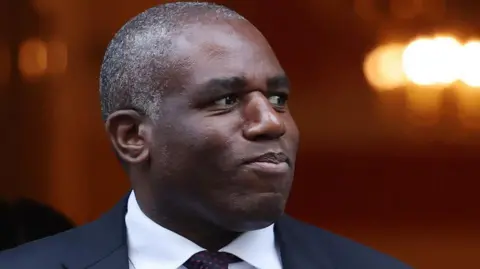
Justice Secretary David Lammy told Parliament that in England and Wales, most crimes that are likely to result in prison terms of less than three years will no longer be tried by a jury, according to reporting by the BBC on Tuesday. Serious offences such as murder, rape and robbery will still go before a jury in the Crown Court.
Jury trials to be scrapped in some cases in bid to tackle court backlog https://t.co/6jyCUGD234 pic.twitter.com/XNBX1KarWC
— Standard News (@standardnews) December 2, 2025
The package includes new “swift courts” and expanded powers for volunteer magistrates, who already handle the majority of criminal cases. A new form of judge-only Crown Court will also be able to hear some cases that previously could go either to magistrates or a jury.
Lammy described the measures as “bold” but “necessary”, saying they would resolve cases “a fifth faster” than current jury trials and warning that Crown Court backlogs could otherwise reach 100,000 cases by 2028, up from about 78,000 now. He said the changes would limit defendants’ ability to “game the system” by electing jury trial mainly to cause delay.
The reforms follow recommendations by retired senior judge Sir Brian Leveson, who was asked in late 2024 to propose ways to reduce delays. In July, he warned “fundamental” change was needed to reduce the risk of “total system collapse”. His proposals included jury-free trials for some fraud and complex financial crime cases, which the government has now accepted.
Opposition politicians and many lawyers strongly object. Shadow justice secretary Robert Jenrick accused Lammy of “scrapping the institution he once lauded” and questioned the democratic mandate for reducing jury trials without it being clearly set out in the governing party’s manifesto. Solicitor advocate Abigail Ashford warned that “judge-only trials risk deepening existing inequalities and eroding confidence among communities who already feel marginalised.”
Most barristers’ groups argue that cuts to justice spending, not juries, are the main driver of delays. Research cited by critics also indicates that many people from ethnic minority backgrounds believe they receive a fairer hearing from juries than from magistrates or a single judge.
What It Means for You
For people in England and Wales, this marks a significant shift in how many criminal cases will be decided. Defendants charged with a wider range of low- and mid-level offences will no longer be able to insist on a jury of their peers, even when facing complex fraud or financial allegations.
For international readers, including in the United States, the move is a reminder that long-standing legal safeguards can be reshaped when court systems come under pressure. Similar debates over backlogs, court funding and the right to a jury are playing out in other democracies.
Observers will be watching whether the reforms reduce waiting times without widening mistrust in the justice system, particularly among minority communities and victims of serious crime. Over the coming years, data on case outcomes, appeal rates and victim participation will be key to judging whether this latest update to the courts delivers what ministers promise.
Sources
- UK Justice Secretary David Lammy’s statement to the House of Commons on jury trial reforms, as reported by BBC News, 2 December 2025.
- Review and public comments by Sir Brian Leveson on criminal court backlogs and proposed reforms, referenced by the UK Ministry of Justice and reported in UK legal and national press in 2024-2025.
- UK Ministry of Justice, Criminal Court Statistics Quarterly and official backlog data for Crown Court cases in England and Wales, 2023-2024.
Question for readers: Do you think speeding up criminal cases is worth limiting the right to a jury trial, or should that right remain untouched even if delays grow?