



TL;DR
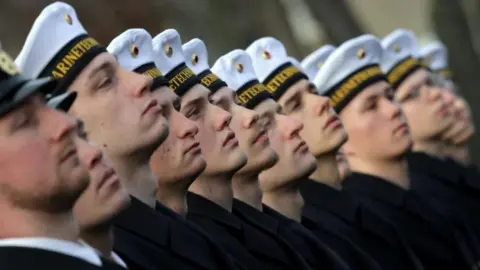
Germany’s Bundestag has approved a voluntary military service programme for 18-year-olds from 2026, part of efforts to strengthen defence after Russia’s invasion of Ukraine, while student groups plan nationwide protests against the move.
Why This Matters
The decision marks a major shift in Germany’s security posture and its debate over military service, more than a decade after compulsory conscription was suspended in 2011. Since Russia’s full-scale invasion of Ukraine in 2022, Germany has pledged a historic policy change on defence and committed to meeting NATO’s 2% of GDP spending goal, according to the German government’s “Zeitenwende” policy statements.
Reintroducing a structured military service pathway, even on a voluntary basis, places Germany alongside several European neighbours that are revisiting or expanding forms of national service in response to a more uncertain security landscape. Countries such as Sweden and Lithuania have already brought back elements of conscription in recent years, particularly after Russia’s 2014 annexation of Crimea, according to their defence ministries and NATO reporting.
The move also highlights a generational divide. While policymakers stress deterrence and alliance commitments, many young people in Germany say they fear being drawn closer to war and losing control over a key phase of their lives. How Europe balances defence readiness with civil liberties and youth expectations will be closely watched across the Atlantic and within NATO.
Key Facts & Quotes
Lawmakers in the Bundestag voted 323 to 272 in favour of introducing a new voluntary military service scheme for young adults. The programme is aimed at strengthening Germany’s armed forces and supports Chancellor Friedrich Merz’s goal of building Europe’s strongest conventional army, according to statements made by his government.
Germany votes to bring back voluntary military service programme for 18-year-olds
https://t.co/RbFNBMogwR pic.twitter.com/yCMUXOwBpp
— Amit Paranjape (@aparanjape) December 5, 2025
Under the plan, all 18-year-olds in Germany will receive a questionnaire starting in January 2026 asking about their willingness and suitability to serve. Completing the form will be mandatory for men and voluntary for women, but actual service will remain voluntary for everyone. Germany abolished compulsory military service in 2011, and troop numbers fell significantly after the end of the Cold War, according to the Federal Ministry of Defence.
The vote has triggered immediate backlash from student and youth groups. Organisers of nationwide school strikes, planned in up to 90 cities, wrote in a widely shared statement that, “We don’t want to spend half a year of our lives locked up in barracks, being trained in drill and obedience and learning to kill.” They added: “War offers no prospects for the future and destroys our livelihoods.” In Hamburg alone, organisers expected around 1,500 protesters, while school leaders urged parents not to remove children from lessons for the marches.

Germany is not alone in revisiting youth military schemes. France recently announced plans for 10 months of voluntary military training for 18- and 19-year-olds, part of a broader discussion in Europe about national resilience and civic or military service for young citizens.
What It Means for You
For readers in the United States and elsewhere, Germany’s move is another sign that Europe is preparing for a more uncertain security era. A stronger German military could shift some defence responsibilities within NATO, potentially affecting how many U.S. troops and resources are needed on the continent over time.
The debate also echoes questions familiar in the U.S.: how much governments should ask of young adults in the name of national security, and whether programmes tied to military service should be voluntary, compulsory, or paired with civilian alternatives. In Germany’s case, the measure stops short of bringing back a full draft, but it does normalise the idea that 18-year-olds will be formally screened for potential service.
As more countries reconsider some form of national service, citizens everywhere may face renewed discussions about preparedness, rights, and obligations. How do you see the balance between preparing for conflict and protecting young people’s life choices?
Sources: Official information from Germany’s Federal Ministry of Defence on conscription history and defence policy (2011-2024); public reporting from accredited correspondents in Berlin on the 5 December 2025 Bundestag vote on voluntary military service.