



TL;DR
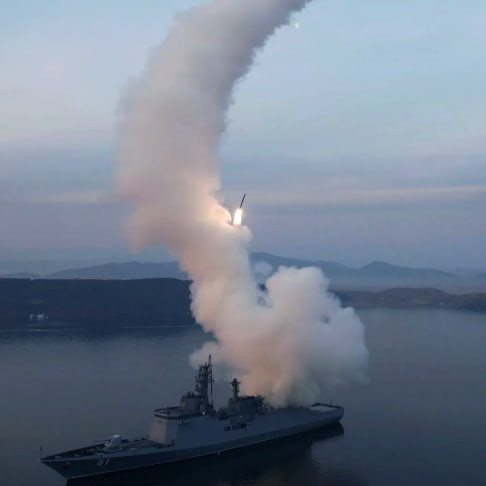
North Korea fired about 10 short-range ballistic missiles into waters off its east coast, according to South Korea, as large U.S.-South Korean military drills and a separate war in the Middle East fuel regional tension.
Why This Matters
This latest update from Northeast Asia underscores how closely linked global security flashpoints have become. North Korea’s launches, coming amid major U.S.-South Korea exercises, highlight the risk that a crisis on the Korean Peninsula could erupt while Washington is already heavily engaged in other conflicts, including an escalating war in the Middle East and Russia’s invasion of Ukraine.
For the United States and its allies, the episode raises questions about deterrence, missile defense, and bandwidth. Local media in South Korea have speculated that some U.S. missile defense assets might be shifted to the Middle East, prompting assurances from Seoul that its overall posture against a nuclear-armed North will hold. Any perceived gaps, even if disputed, can affect how adversaries calculate risk – and how ordinary people in the region think about safety, stability, and the chance of miscalculation.
Key Facts & Quotes
South Korea’s Joint Chiefs of Staff said roughly 10 ballistic missiles were launched Saturday from the Sunan area near Pyongyang’s international airport, flying about 350 kilometers (220 miles) toward the eastern sea. Japan’s Defense Minister Shinjiro Koizumi said the missiles landed outside Japan’s exclusive economic zone and reported no damage to ships or aircraft. Seoul’s military said it boosted surveillance and remains on high alert, closely coordinating with U.S. and Japanese forces for any additional launches.
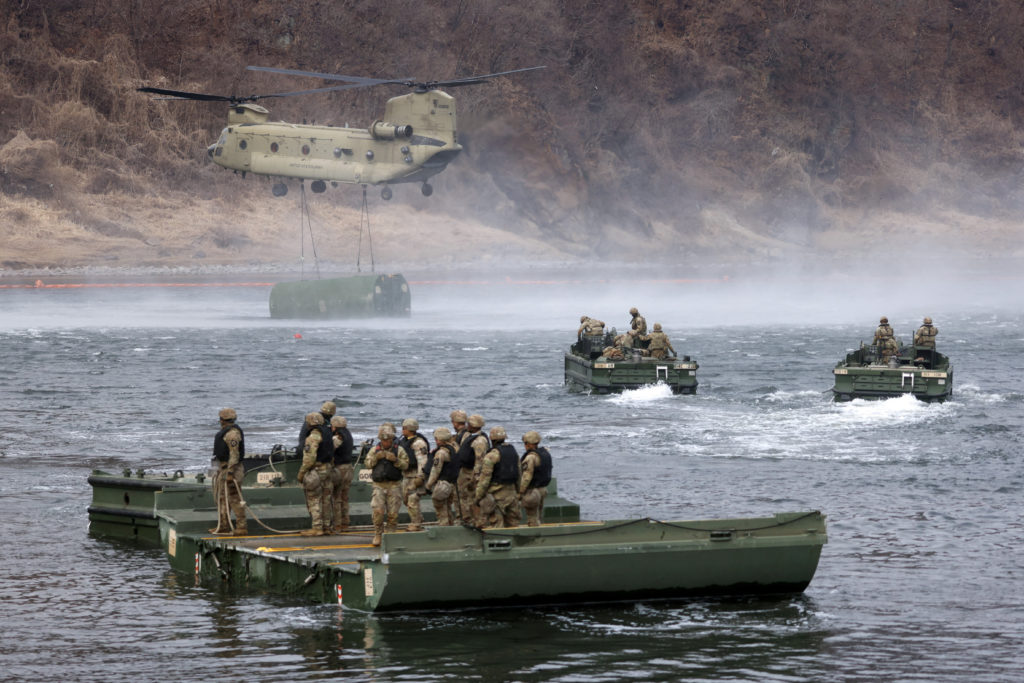
The test came during Freedom Shield, an 11-day annual command-post exercise involving thousands of U.S. and South Korean troops, paired with a field training program called Warrior Shield. North Korea has long branded such drills as invasion rehearsals and has often responded with missile salvos, at times describing them as simulations of nuclear strikes on targets in South Korea. Kim Yo Jong, the powerful sister of leader Kim Jong Un, warned this week that any challenge to the North’s security would bring “terrible consequences” and criticized the drills at what she called a perilous moment for global security.
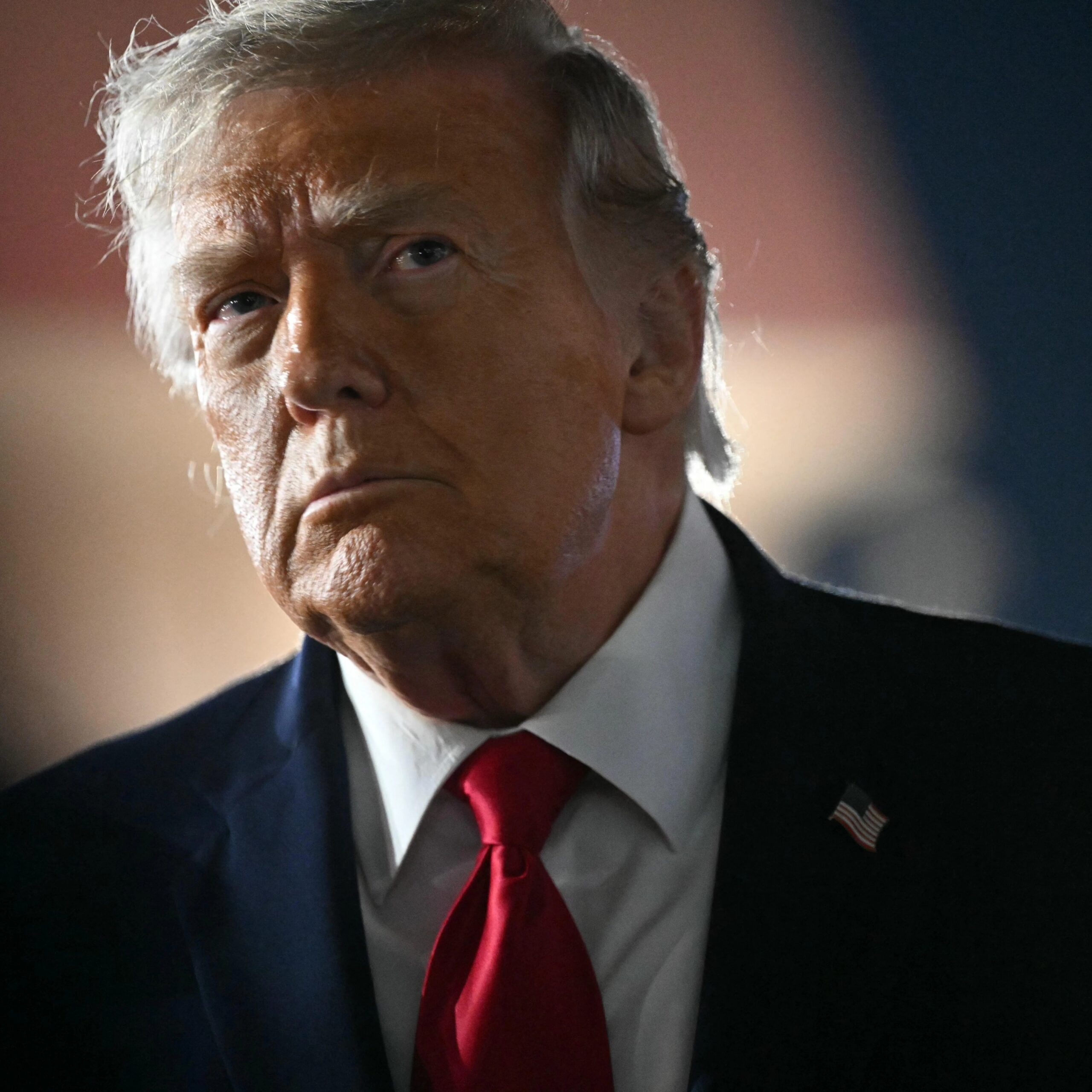
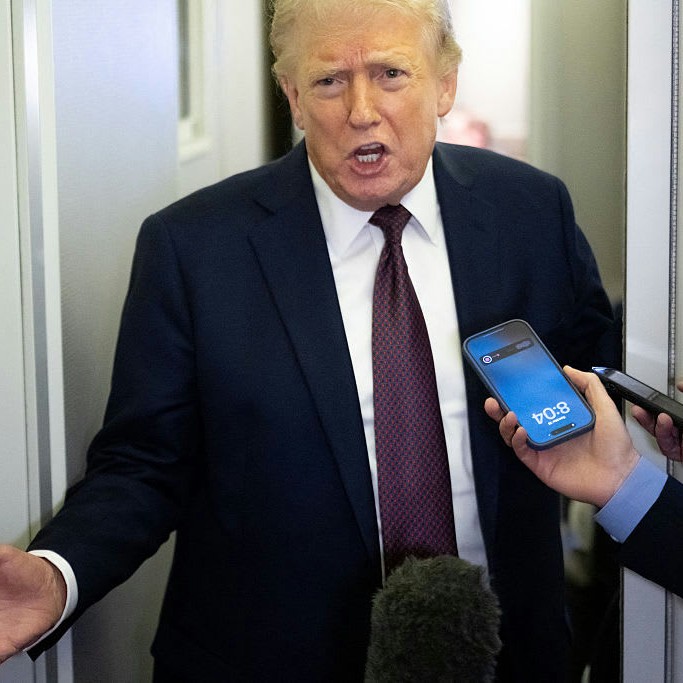
The launches also followed a Washington meeting between South Korean Prime Minister Kim Min-seok and U.S. President Donald Trump, where renewed diplomacy with Pyongyang was discussed. South Korean President Lee Jae Myung’s office said it could not confirm reports that U.S. interceptor missiles from the THAAD system or Patriot batteries might be moved to support operations against Iran, but insisted allied defenses remain strong. Separately, North Korea’s Foreign Ministry denounced joint U.S.-Israeli strikes on Iran and voiced support for Tehran’s new supreme leader, Mojtaba Khamenei, while Kim has increasingly prioritized ties with Russia, sending military equipment to aid Moscow’s war in Ukraine, possibly in exchange for assistance and technology.
⚠️ BREAKING: North Korea tests nuclear capable rocket launchers.
Leader Kim Jong Un personally oversaw the test just one day after about 10 ballistic missile launches were detected during U.S.–South Korea military drills.
Tensions on the Korean Peninsula are rising again.
The… pic.twitter.com/7izOUMy4pG
— Astik Mondal (@Astik_Mondal_) March 16, 2026
What It Means for You
For many Americans, this story may feel distant, but it feeds directly into debates over U.S. global commitments, military spending, and the safety of tens of thousands of U.S. troops based in South Korea and Japan. A more assertive North Korea, aligned more closely with Russia and supportive of Iran, suggests a world in which crises cluster rather than flare up one at a time.
Investors and retirees may see knock-on effects in global markets whenever tensions spike in East Asia, a hub for technology and shipping. At home, questions about missile defense deployments, alliance reliability, and the risk of nuclear proliferation are likely to feature in foreign policy discussions. What happens on the Korean Peninsula could shape broader conversations about how – and where – the United States chooses to project power.
With conflicts now overlapping in Europe, the Middle East, and Asia, how do you think the United States should balance its security commitments abroad?
Sources:
- Statements attributed to South Korea’s Joint Chiefs of Staff and presidential office.
- Public remarks by Japanese Defense Minister Shinjiro Koizumi.
- Comments from Kim Yo Jong and North Korea’s Foreign Ministry.
- Official descriptions of the Freedom Shield and Warrior Shield exercises, all reported March 14, 2026.