



TL;DR
A planned “60 Minutes” investigation into Trump administration immigration policies, focusing on migrants sent to a harsh El Salvador prison, was pulled from broadcast but accidentally appeared on a Canadian TV app, sparking questions over CBS News’ editorial independence and handling of politically sensitive coverage.
Why This Matters
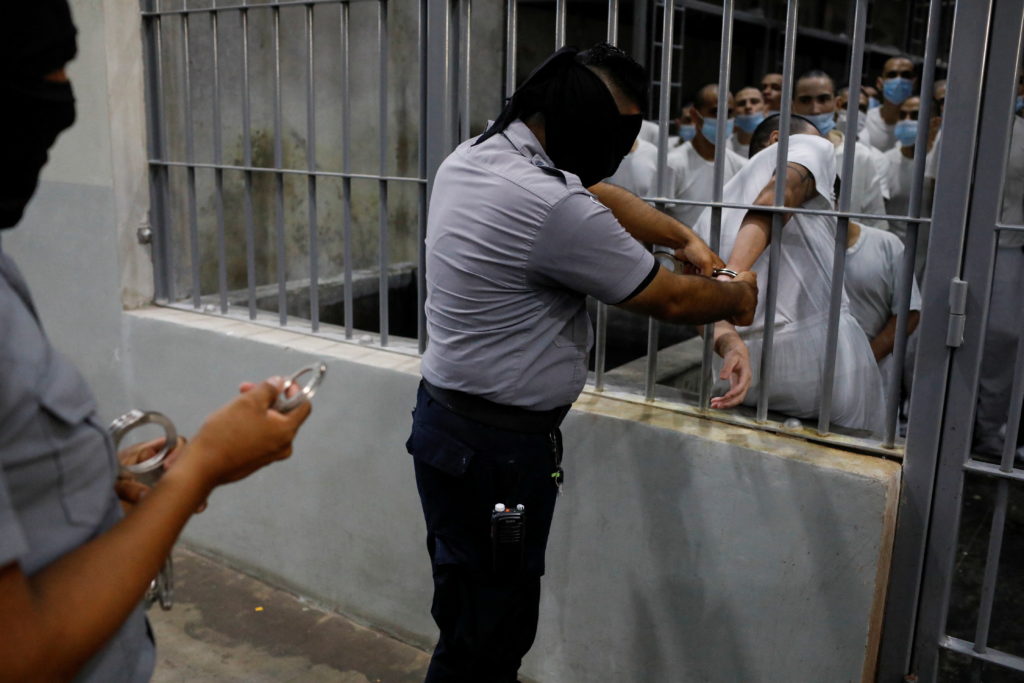
This dispute sits at the intersection of politics, immigration and public trust in the media. The segment reportedly examined how migrants deported under former President Donald Trump were transferred to El Salvador’s Terrorism Confinement Center, or CECOT, a prison widely criticized by human rights groups for its conditions.
When CBS News decided not to air the piece on “60 Minutes,” one of the most influential news programs in the United States, it immediately raised concerns among journalists and viewers about whether political pressure or fear of backlash was influencing coverage. Those questions intensified after the story still appeared, briefly and by mistake, on an affiliated Canadian broadcaster’s streaming app.
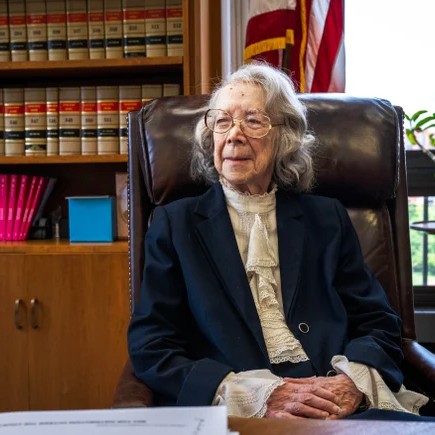
The clash between correspondent Sharyn Alfonsi and CBS News leadership highlights a broader issue: how newsrooms decide when an investigation is “ready” to run, especially when a major political figure declines to comment. For audiences in the U.S. and abroad, the episode feeds into a wider debate over how independent major outlets remain in a polarized election-era environment.
Key Facts & Quotes
According to reporting by Safiyah Riddle for a U.S. public broadcaster, a “60 Minutes” segment examining Trump-era immigration enforcement was abruptly pulled before its scheduled air date. The piece featured interviews with migrants deported from the United States and sent to CECOT, a high-security prison in El Salvador known for tough conditions.
Two deported men described severe abuse. One Venezuelan man said he suffered sexual abuse and solitary confinement, while another, a college student, said guards beat him and knocked out a tooth. “When you get there, you already know you’re in hell. You don’t need anyone to tell you,” he said in the unaired segment.
The report cited experts who questioned the legal basis for rapid deportations while court challenges were still pending. Journalists for the show also said they corroborated Human Rights Watch findings using U.S. Immigration and Customs Enforcement data, suggesting that only eight of the deported men had been sentenced for violent or potentially violent crimes.
The story was removed from Canada’s Global Television Network broadcast lineup but mistakenly ran on the network’s app before being taken down. “Paramount’s content protection team is in the process of routine take down orders for the unaired and unauthorized segment,” a CBS spokesperson said by email.
A news segment about the Trump administration’s immigration policy that was abruptly pulled from “ 60 Minutes ” was mistakenly aired on a TV app after the last minute decision not to air it touched off a public debate about journalistic independence. pic.twitter.com/9c70qKwUxm
— The Manila Times (@TheManilaTimes) December 24, 2025
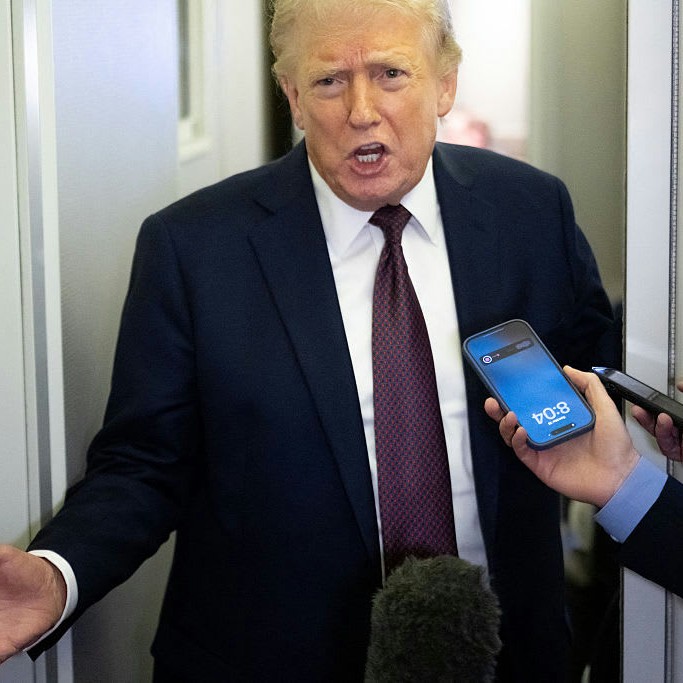
Internally, the decision prompted pushback. Alfonsi told colleagues the piece was factually solid and had been cleared by CBS lawyers and standards staff. CBS News chief Bari Weiss countered that the story did not “advance the ball” and said she wanted more effort to secure the Trump administration’s perspective, adding she looked forward to airing the report “when it’s ready.” Critics have accused CBS of shielding Trump from negative coverage, an allegation the network has not accepted.
What It Means for You
For viewers, the latest update is less about one TV segment and more about how major news organizations navigate politically charged stories. Many Americans rely on programs like “60 Minutes” for in-depth reporting that goes beyond daily headlines, especially on complex topics such as immigration enforcement and prison conditions abroad.
The back-and-forth over this piece may influence how much behind-the-scenes editorial debate becomes public in the future, and how forcefully outlets explain why some investigations air and others don’t. It also highlights how easily unaired content can slip online through streaming platforms, even after a last-minute decision.
As elections and immigration policy continue to dominate U.S. politics, viewers may want to watch not just what stories air, but how networks describe their standards for fairness, fact-checking and accountability-particularly when key officials or former leaders refuse to comment.
Sources: Reporting by Safiyah Riddle for the Associated Press (carried by a U.S. public broadcaster), CBS News spokesperson email statements and internal remarks by Sharyn Alfonsi and Bari Weiss as described in that reporting, all dated December 2025.
What do you think news outlets should prioritize more in politically sensitive investigations: ensuring every side is heard, or making sure vetted reporting reaches the public even when one side refuses to comment?