



TL;DR
Retired NASCAR driver Greg Biffle, members of his family and others were among seven people killed when a Cessna business jet crashed Thursday morning outside Charlotte, North Carolina. The plane went down shortly after takeoff from a regional airport; federal transportation officials have opened an investigation into what went wrong.
Why This Matters
The crash that killed Greg Biffle and six others touches several issues that reach beyond motorsports. Biffle, a well-known retired NASCAR driver, had a national following and remained active in aviation and charitable work, including using his own flying experience to deliver supplies after Hurricane Helene, according to a national public television news broadcast in 2024. His death and the loss of his family members will be felt across racing, aviation and the communities where he lived and worked.
We join the NASCAR community in mourning the loss of Greg Biffle, who generously supported disaster-relief efforts for animals, and his family in yesterday’s plane crash. Helping animals brings people together and we, along with the sport’s fans, are thinking of all who are… pic.twitter.com/m8OhWzwsSz
— Humane World for Animals (@humaneworldorg) December 19, 2025
The accident also highlights ongoing concerns about safety in general aviation, which includes privately operated jets like the Cessna C550 involved here. While commercial airline crashes are rare in the United States, small and midsize business aircraft fly into a wider range of airports and weather conditions. Each high-profile incident brings renewed attention to pilot training, maintenance standards and oversight.
For residents around Charlotte and across North Carolina, this is a local tragedy with a national name attached. For many Americans who fly on corporate or charter aircraft, it is a reminder that federal investigations by the National Transportation Safety Board (NTSB) and Federal Aviation Administration (FAA) play a central role in improving safety after every serious crash.
Key Facts & Quotes
On Thursday, police in North Carolina said retired NASCAR driver Greg Biffle and his family were among seven people killed when their private jet crashed near Charlotte, according to a national public television news program summarizing law-enforcement statements. The aircraft, identified by officials as a Cessna C550, attempted to return and land shortly after takeoff from a nearby regional airport used by NASCAR teams and major corporations.
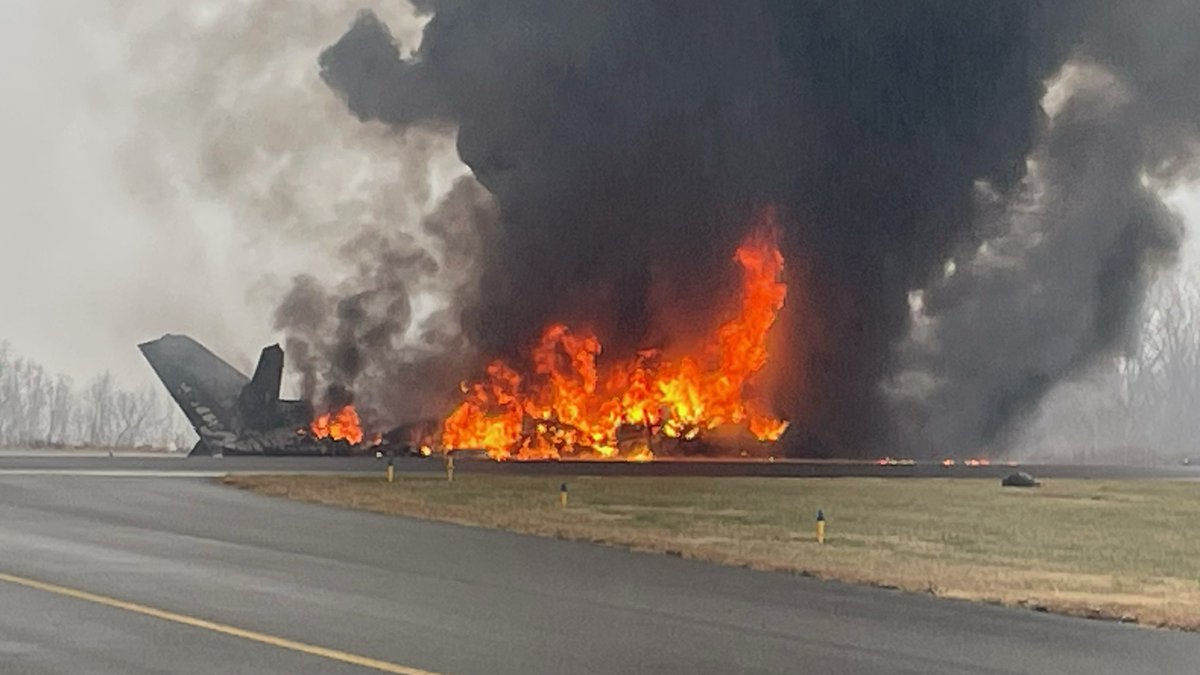
Eyewitness video captured a fiery impact and a large plume of black smoke rising from the crash site. Local emergency responders confirmed there were no survivors. The broadcast reported: “Police in North Carolina say retired NASCAR driver Greg Biffle and his family were among seven people killed when their private jet crashed this morning outside of Charlotte,” reflecting what authorities shared publicly at the scene.
The NTSB and FAA have opened an investigation, a standard step after a fatal aviation accident. Investigators typically examine the wreckage, review maintenance and flight records, evaluate weather conditions and interview witnesses. A preliminary report usually appears within weeks, while a full determination of probable cause can take a year or more.
Investigators in Statesville, North Carolina, on Friday are sifting through wreckage after a plane crash claimed seven lives, among them former NASCAR driver Greg Biffle.
READ MORE >>> https://t.co/oLxgFL3wC8 pic.twitter.com/02Hpx9mhKX
— WTVY News 4 (@WTVYNews4) December 19, 2025
The same public television broadcast noted that Biffle had spoken on-air in the past about using his aviation skills to help deliver relief supplies to communities hit by Hurricane Helene, underlining how closely his life remained tied to flying even after his racing career ended.
What It Means for You
For most people, this story is first about loss: a high-profile driver, his family members and others whose lives were cut short. Many readers will connect with it as parents, grandparents or frequent travelers who think about safety whenever they board a plane. While business jets and charter flights are widely used in corporate America and by public figures, fatal crashes are still relatively uncommon, and each one is examined in detail by federal investigators.
In the coming weeks, officials are likely to release a preliminary report offering early clues about what went wrong, such as possible mechanical issues, weather factors or pilot workload. If you or loved ones regularly fly on smaller aircraft, it may be worth asking operators about safety practices, crew experience and maintenance. Beyond aviation, the investigation and any safety recommendations that follow are part of a broader effort to reduce the risk of future accidents.
Sources
- National public television evening news broadcast transcript, Dec. 18, 2025 (North Carolina police statements summarized on air).
- U.S. National Transportation Safety Board and Federal Aviation Administration public procedures for major accident investigations (accessed prior to Oct. 2024).
What details do you feel are most important to know when you hear about a high-profile crash like this one?