




TL;DR
The Senate is preparing for a Thursday vote on competing Democratic and Republican health care measures, with a looming deadline that could raise costs for millions of Americans if no agreement is reached.
Why This Matters
The cost of health care remains one of the biggest financial worries in the United States. Insurance premiums, deductibles, and prescription drug prices continue to outpace wages for many families. A Senate showdown over rival health care measures is not just another political fight; it will shape how much people pay for coverage and medicines in the near term.
The upcoming deadline is key. If lawmakers do not approve some form of relief or extension of existing protections, scheduled changes could automatically take effect. That could mean higher monthly premiums for Affordable Care Act marketplace plans, steeper out-of-pocket costs, or fewer subsidies for lower- and middle-income households.
Millions of Americans who buy their own insurance, rely on employer coverage, or use public programs like Medicare are watching closely. For older adults, people with chronic conditions, and families on tight budgets, even modest cost increases can lead to skipped doctor visits or unfilled prescriptions. How this vote plays out will influence both household budgets and the broader debate over how to control U.S. health spending, which is already the highest in the world as a share of the economy.
Key Facts & Quotes
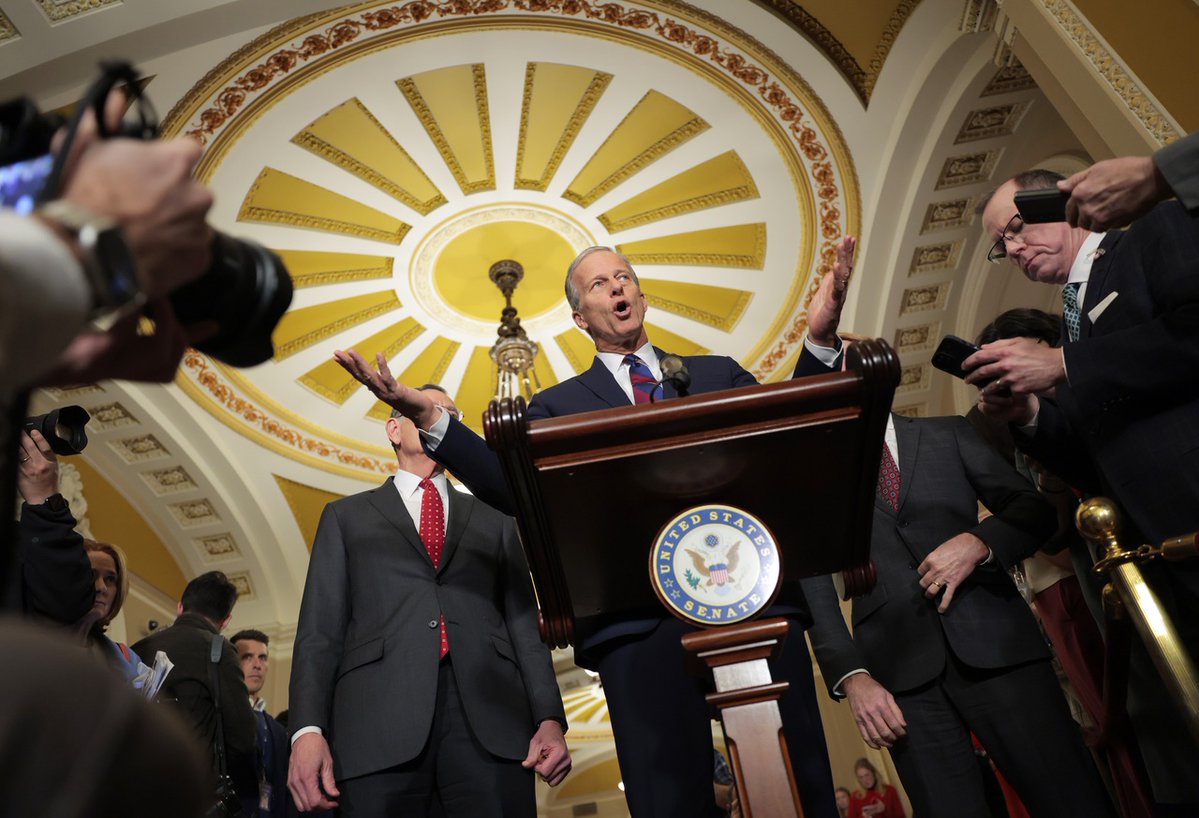
On Thursday, the Senate is scheduled to vote on competing health care measures put forward by Democrats and Republicans. According to a televised report by correspondent Nikole Killion, “The Senate is set to vote on Thursday on competing health care measures from Democrats and Republicans amid a fast-approaching deadline that could increase costs for millions of Americans.”
Democratic lawmakers are framing their proposal as a way to prevent sudden increases in what families pay for coverage and medications. Republican senators have advanced an alternative approach, emphasizing different tools to address health spending and concerns about the overall level of federal health costs. The exact details of each plan vary, but both sides say they aim to address rising expenses for consumers.
The timing is driven by an approaching policy deadline, after which current rules or temporary protections are set to change unless Congress intervenes. Health insurers, which set their rates months in advance, are also watching for clarity from Washington. Once rates are locked in for the coming year, they are difficult to adjust, meaning any delay in Congress can translate into higher or more uncertain costs for consumers.
Public concern is clear. Recent national surveys by nonprofit health research groups have found that a majority of adults say they are worried about being able to afford unexpected medical bills, and many report delaying or skipping care because of cost. That pressure is adding urgency to this latest Senate vote.
What It Means for You
For most people, the outcome of the Senate vote will not change prices overnight, but it could shape what you pay in the next plan year. If you buy coverage through the Affordable Care Act marketplace, rely on subsidies, or are managing several prescriptions, the measures under debate could influence your premiums, co-pays, and what is covered.
Older adults, especially those on fixed incomes or managing chronic conditions, are particularly sensitive to even small cost increases. Families with high deductibles through employer plans may also feel the impact if protections are scaled back or new cost controls fail to pass.
In the near term, it is worth watching how your state insurance exchange, employer, or Medicare plan communicates about next year’s rates and benefits. Reviewing plan options carefully during open enrollment and asking your doctor or pharmacist about lower-cost alternatives can help cushion any changes that result from decisions in Washington.
Sources: Television report by Nikole Killion for CBS News on upcoming Senate votes on competing health care measures; Kaiser Family Foundation (KFF) polling on U.S. health care affordability, April 2024; national survey data on medical cost concerns from major nonpartisan research organizations, 2023-2024.
How much room do you feel you have in your own budget to absorb higher health care costs if Congress does not agree on a plan?