



TL;DR
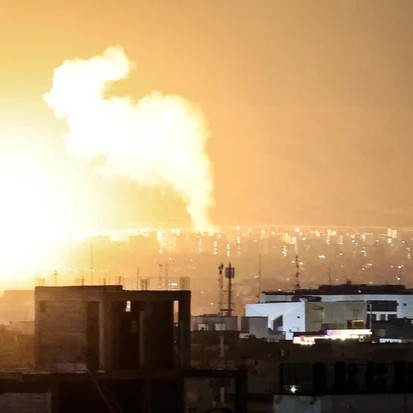
On day seven of the U.S.-Israeli war with Iran, Israel has expanded airstrikes on Tehran and Lebanon, Iran is firing missiles and drones, and global trade and travel are under strain.
Why This Matters
The conflict involves three of the most powerful actors in the Middle East: Iran, Israel, and the United States. Fighting among them raises the risk of a wider regional war and complicates efforts to keep Iran’s nuclear program in check. It also tests long-standing U.S. security commitments in the region.
The Strait of Hormuz, a narrow waterway off Iran’s coast, is one of the world’s most important oil and gas shipping routes. According to reports from the region, missile and drone activity has disrupted traffic there, threatening global energy supplies. Any prolonged slowdown can push up fuel prices, unsettle financial markets, and strain already fragile supply chains.
The war is also creating a fast-moving humanitarian emergency. Live reports describe tens of thousands of people fleeing affected areas in Iran and Lebanon. NATO’s decision to bolster missile defenses and the heavy use of air and missile systems by U.S. partners in the Persian Gulf underline how quickly a conflict like this can pull in many countries beyond the immediate battlefield.
Key Facts & Quotes
Israeli forces carried out heavy overnight bombing of Iran’s capital, Tehran, and targets in Lebanon, according to a live updates feed from the region. Israeli officials have described this as a “new phase” in the joint campaign launched with the United States nearly a week ago. Iran has answered with missile and drone barrages across the Persian Gulf and beyond, strikes that have hit infrastructure and forced civilians to flee.

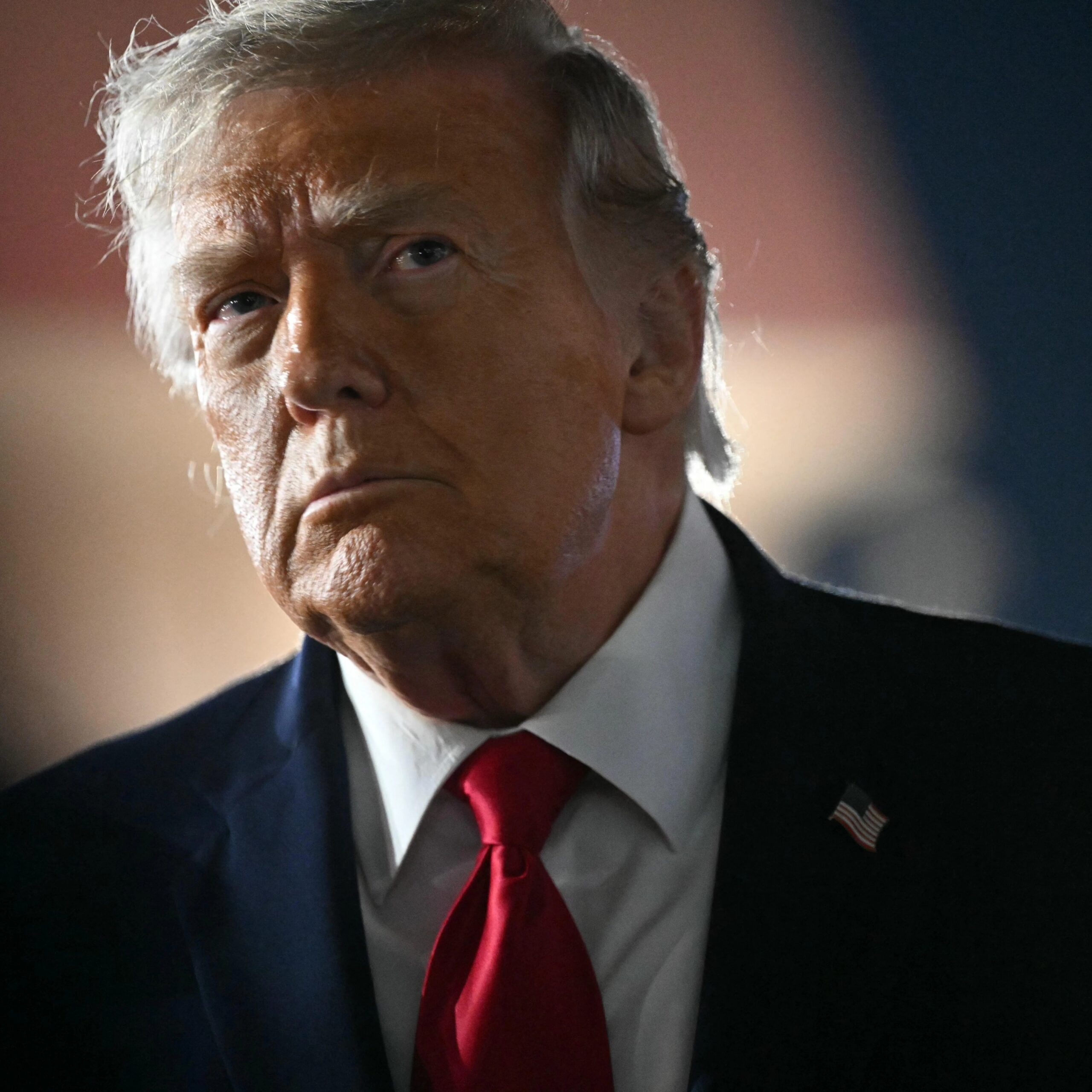
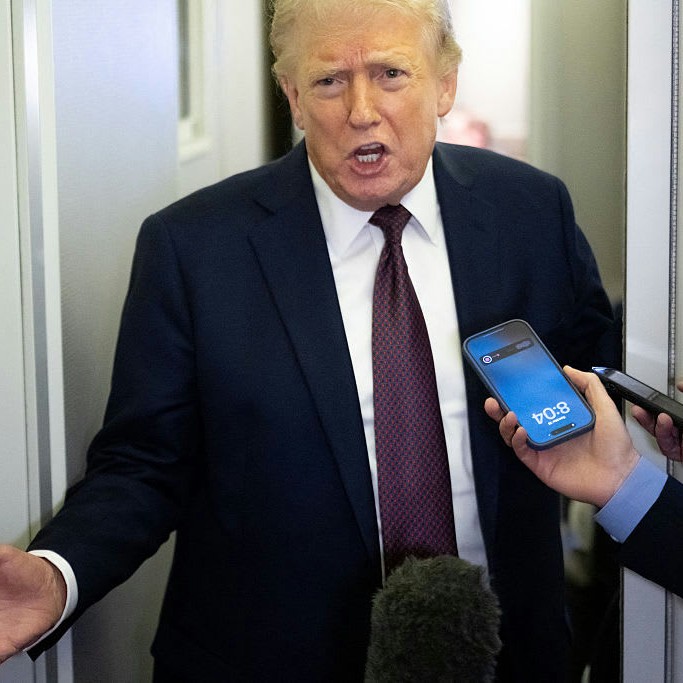
In public remarks on Friday, President Donald Trump said the United States and Israel intend to “go in and clean out everything” in Iran. He suggested that only full regime change would end the fighting and said he has ideas about who should lead Iran afterward, insisting he must help decide that future leader. Those comments signal a potentially long and politically charged conflict, with high stakes for U.S. relations across the Middle East and Europe.
💬 Israeli Prime Minister Benjamin Netanyahu calls claims Israel pushed US into war with Iran ‘ridiculous’
▶️ Remarks follow report by The New York Times alleging Netanyahu lobbied Trump for months to launch military strikes and block diplomacy
▶️ Joint US-Israeli attacks… pic.twitter.com/4ZRc48TlFW
— Anadolu English (@anadoluagency) March 3, 2026
The war’s effects are spreading beyond the immediate combat zones. NATO has strengthened its missile defense posture, alliance officials say, amid concern over incoming drones and missiles. Traffic through the Strait of Hormuz shipping lane has been sharply reduced, and air travel across much of the Middle East is described as near a standstill. There are also growing worries about how long U.S.-aligned governments in the Persian Gulf can keep intercepting large numbers of relatively inexpensive explosive drones launched from Iran.
What It Means for You
For people in the United States, what happens in the Strait of Hormuz and Tehran can affect daily life. Disruptions to oil and gas shipments may feed into higher prices at the pump and increased home energy costs. Market turbulence linked to war headlines can also impact retirement accounts and other long-term investments. Air travelers may see longer routes, fewer flights, and higher fares on trips involving Europe, Asia, or the Middle East.
The conflict is likely to shape U.S. foreign policy debates, including how much the country should commit to military operations in the Middle East. Families with service members could face new deployments or extended tours. Analysts say key signals to watch include any move toward cease-fire talks, changes in NATO deployments, and signs that neighboring countries are being drawn more deeply into the fighting.
How do you think the United States should balance regional security commitments with the risks of a wider war?