

Why This Matters
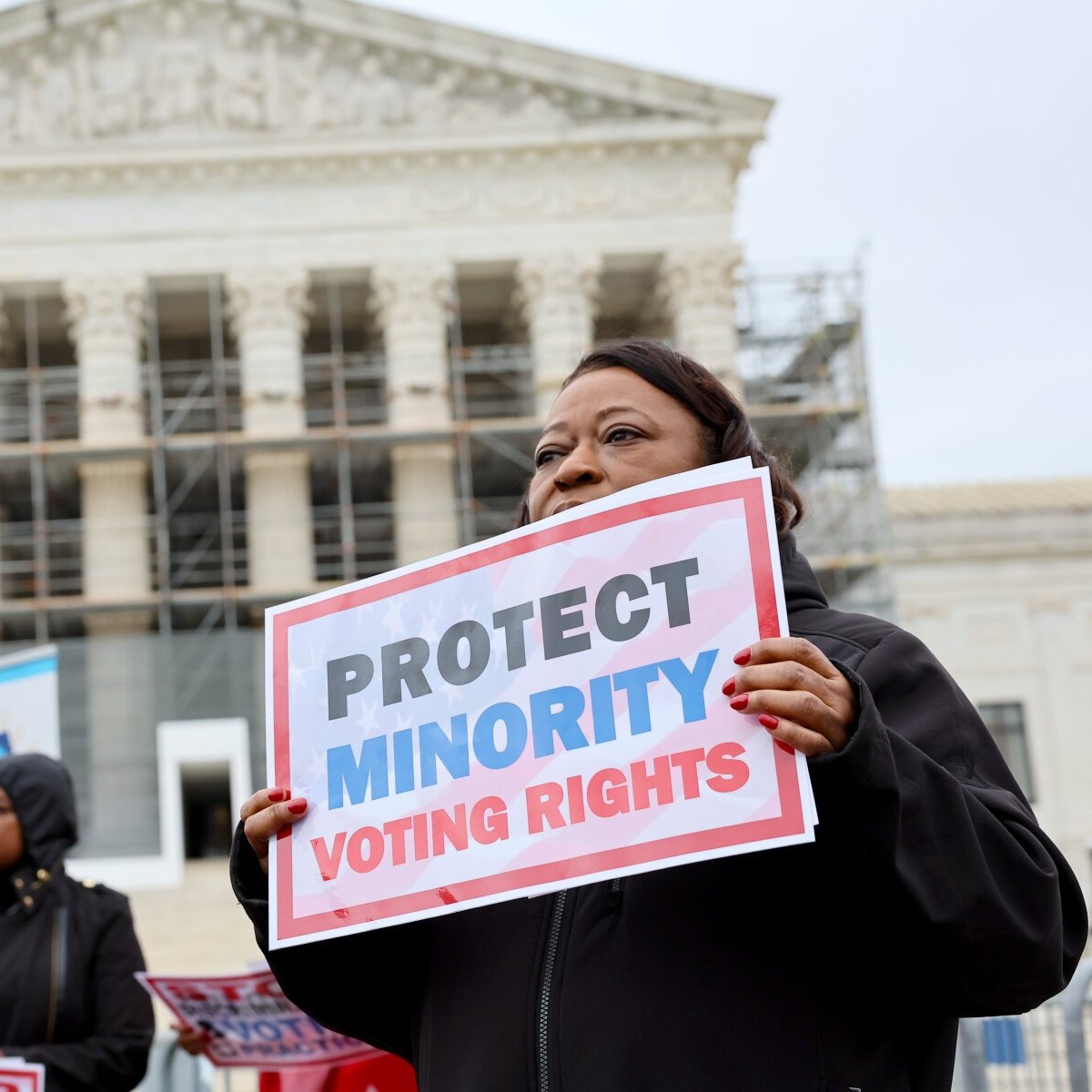
The U.S. Supreme Court has declined, at least for now, to answer a core question about the Voting Rights Act: who is allowed to enforce one of its main protections. By sending two redistricting cases from Mississippi and North Dakota back to lower courts, the justices avoided ruling on whether private individuals and advocacy groups can sue under Section 2.
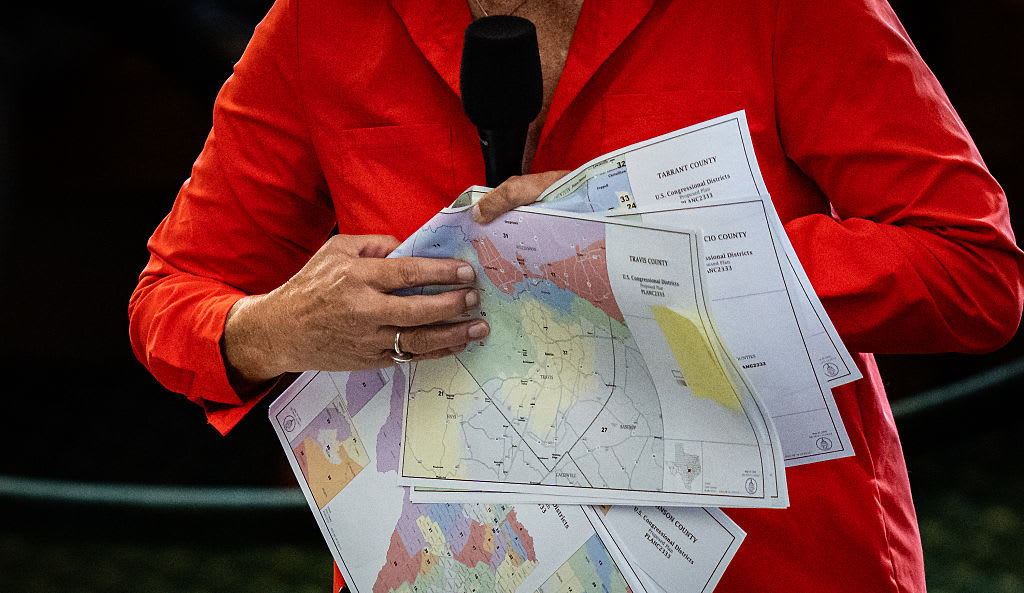
For decades, voters and civil rights organizations have brought most of the lawsuits challenging voting maps and election rules that are alleged to dilute minority voting power. If only the U.S. attorney general could sue, as some Republican officials now argue, many fewer cases would likely be filed, and potentially discriminatory maps might stay in place longer.
The move comes just weeks after the Court’s decision in Louisiana v. Callais, which weakened federal protections against racial discrimination in redistricting, according to NPR. It keeps key questions about voting rights enforcement unresolved as the country heads toward the 2026 midterm elections and renewed fights over gerrymandering.
Key Facts and Quotes
In a brief, unsigned order issued Monday, the Supreme Court vacated earlier lower-court rulings in challenges to Mississippi and North Dakota state legislative maps and sent both cases back for reconsiderationisiana v. Callais, according to the Court’s order list and NPR reporting in light of Lou. The justices did this without full briefing or oral argument.
Central to those cases is a new argument advanced by Republican officials: that Section 2 of the Voting Rights Act does not give private individuals or groups a legal right to sue, and that only the U.S. Department of Justice can bring such cases. Legal experts cited by NPR say that interpretation would sharply reduce the number of Section 2 lawsuits, which have historically been a main tool for challenging alleged racial discrimination in voting.
Justice Ketanji Brown Jackson, one of the Court’s liberal justices, dissented from Monday’s order. She noted that the Court’s recent Callais ruling did not address who may enforce Section 2. “Thus I see no basis for vacating the lower court’s judgment,” Jackson wrote, criticizing the decision to throw out previous rulings in both the Mississippi and North Dakota cases.
At the same time, the future of another part of the Voting Rights Act is in question in a separate case from Arkansas now before the justices. In a dissent from an 8th Circuit Court of Appeals decision, Chief Judge Steven Colloton wrote that the circuit was on a “regrettable path of rendering unenforceable, in this circuit alone, the voting rights law that many have considered ‘the most successful civil rights statute in the history of the Nation.'” A brief asking the Supreme Court to review that Arkansas case is due Monday, NPR reported.
What It Means for You
For voters, nothing changes immediately. Private lawsuits under Section 2 can still be filed, and the Mississippi and North Dakota cases will continue in lower courts under the new guidance from Callais. But the enforcement landscape is unsettled, and different regions of the country could see different rules until the Supreme Court issues a clear answer.
Looking ahead, the key question is whether the justices will agree to hear the Arkansas case or a similar challenge that squarely raises the issue of private enforcement. If the Court eventually limits who can sue under the Voting Rights Act, it could affect how quickly and how often voting maps and election rules are challenged before upcoming elections.
How do you think disputes over who is allowed to enforce voting rights protections should be resolved in a way that builds trust across the political spectrum?
Sources
NPR report by Hansi Lo Wang on Supreme Court Voting Rights Act enforcement disputes, published May 18, 2026; U.S. Supreme Court order list for May 18, 2026, in Mississippi and North Dakota redistricting cases.