



TL;DR
Thousands protested in Minneapolis after ICE fatally shot Renee Nicole Good. About 30 people were arrested as officials dispute whether the shooting was self-defense and the FBI leads a federal investigation.
Why This Matters
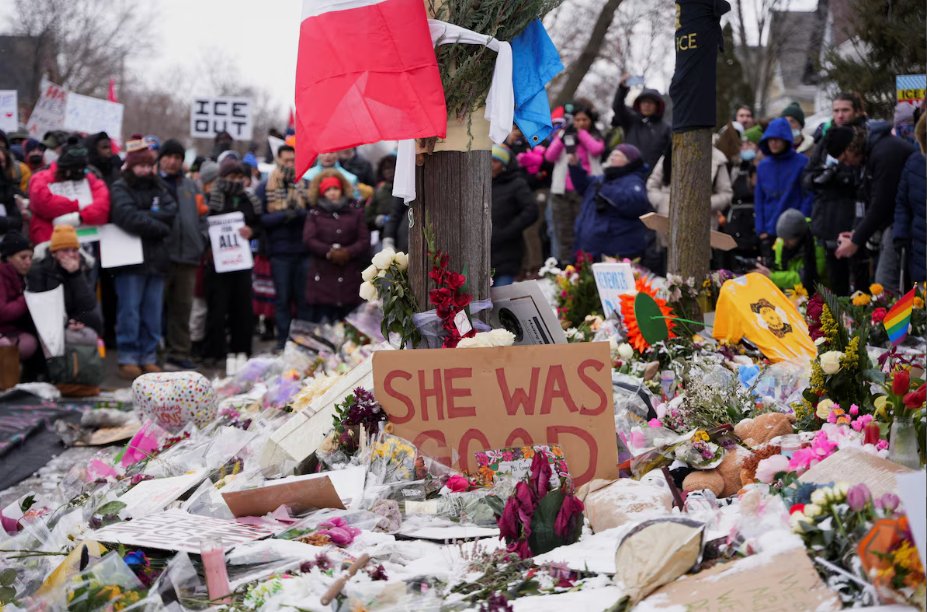
The protests in Minneapolis highlight long-running tensions over U.S. immigration enforcement and the use of force by federal officers in American cities. The death of 37-year-old Renee Nicole Good, who was shot by an Immigration and Customs Enforcement (ICE) agent, has quickly become a national flashpoint, drawing demonstrations from Minnesota to New York and Los Angeles.
Beyond the immediate tragedy, the incident raises questions about how federal agencies coordinate with local authorities and how force is used in crowded, residential neighborhoods. Minneapolis officials say they were initially promised a joint investigation with federal authorities, then told the inquiry would be handled solely at the federal level. That dispute has led Minnesota state agencies to open their own review.
For many Americans, especially those in mixed-status or immigrant communities, the case touches on daily concerns about safety during enforcement operations and trust in law enforcement. The outcome of the investigations may influence future rules on when and how federal officers can use deadly force in routine immigration actions.
Key Facts & Quotes
According to Minneapolis city officials, thousands of people marched again on Saturday night despite bitter cold, following Good’s death on Wednesday. The city said roughly 30 people were arrested over the weekend, and one police officer suffered minor injuries after what officials described as a chunk of ice was thrown.
Protests against immigration enforcement were reported in several U.S. cities, including Austin, Seattle, New York and Los Angeles. The city of Minneapolis emphasized that the “vast majority of community members have demonstrated peacefully,” while noting that police on Friday declared an unlawful assembly outside a downtown hotel where ICE agents were believed to be staying.
Protests across the U.S. and locally in western Washington continue for a fourth day after an Immigration and Customs Enforcement (ICE) agent shot and killed Renee Good in Minneapolis.https://t.co/KCtZDPvVBD pic.twitter.com/jsraIq6zPp
— KUTV2news (@KUTV2News) January 11, 2026
In a statement cited by local media, Minneapolis police said “several hundred people” gathered there and that “some individuals forced entry into the hotel through an alley entrance.” Officers reported that some protesters threw ice, snow and rocks at police and vehicles, though no serious injuries were reported. One law enforcement officer had minor injuries and did not require medical attention, according to reports relayed by a U.S. broadcast partner.
Video of the shooting, posted online, shows ICE agents approaching an SUV stopped in the street, ordering the driver to exit. As an agent pulls on the driver’s door handle and the vehicle begins to move, an agent standing in front points a gun at the windshield and several shots are heard. The SUV then continues forward and crashes into the side of the street.
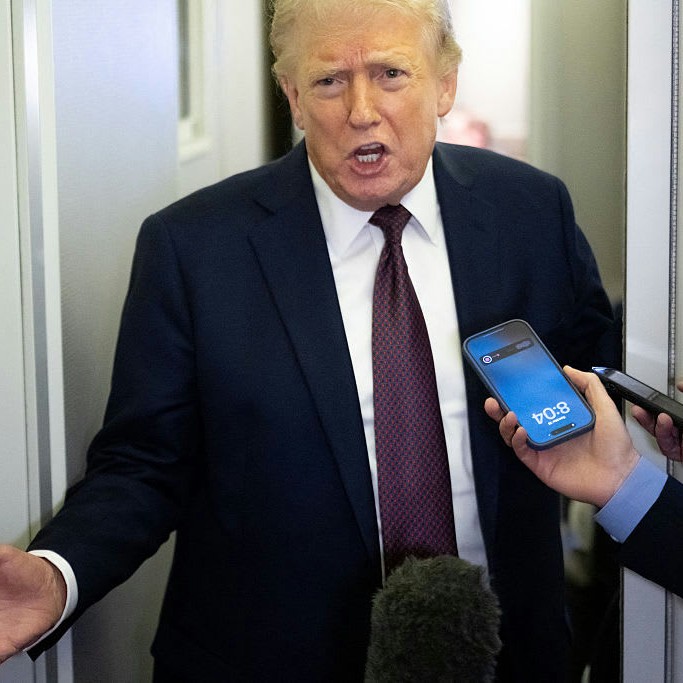
Federal officials have identified the shooter as Jonathan Ross, a veteran ICE agent previously injured in the line of duty when struck by a car. Homeland Security Secretary Kristi Noem has said the agent fired multiple times because Good was allegedly trying to run him over. Minneapolis Mayor Jacob Frey has publicly rejected that account as a “false narrative,” saying it appeared to him that Good was trying to leave, not attack an officer. The FBI is leading a federal civil rights and criminal inquiry, while Minnesota state officials announced a separate investigation after saying they had initially been excluded from the federal probe.
What It Means for You
For many readers, this story sits at the intersection of public safety, immigration policy and local-federal relations. The investigations now underway could shape future guidance on how federal officers operate in residential neighborhoods and what standards govern their use of deadly force.
Residents in cities that regularly see federal enforcement actions may watch closely for any changes in training, body camera policies, or requirements to coordinate with local police. Families in immigrant or mixed-status communities may also look for clearer information about their rights during encounters with federal officers.
Over the coming weeks, key developments will include any release of additional video or audio, results of the FBI and state probes, and whether public officials propose new oversight measures. Question for readers: how should local and federal agencies balance tough enforcement with community trust when operations take place on city streets?