



TL;DR
Indiana’s Republican-controlled Senate joined Democrats to reject a Trump-backed congressional redistricting plan. President Donald Trump sharply criticized Senate President Pro Tempore Rodric Bray and said he would support a primary challenge against him.
Why This Matters
The clash in Indiana highlights a rare and public split inside the Republican Party over how far to go in reshaping voting maps to protect congressional power. Redistricting fights, often viewed as technical or local, can shift control of the U.S. House for years. In this case, the rejected map was backed by President Trump and described as a way to help Republicans hold or expand their majority after the 2026 midterm elections.
Instead, a coalition of 21 Republican state senators and all 10 Democrats voted down the proposal, according to reporting from PBS NewsHour. Their move suggests some Republicans are wary of redrawing maps mid-cycle, which can trigger legal challenges, public backlash, and internal party tension. The dispute also underscores Trump’s continued influence within GOP primaries, as he openly threatened to support challengers to a leading Republican state lawmaker.
For voters beyond Indiana, the episode is a reminder that the battle over who draws political lines is ongoing nationwide and can directly affect which voices-and which parties-are represented in Washington.
Key Facts & Quotes
On Thursday, the Indiana Senate voted 31-19 against a proposal to redraw the state’s congressional map, according to PBS NewsHour. The plan, which the Trump campaign had urged Republicans to support, was intended to strengthen the party’s position in the U.S. House ahead of the 2026 midterm elections.
Twenty-one Republicans joined 10 Democrats to oppose the map, which analysts said could potentially have given Republicans two additional U.S. House seats. The vote represents a rare break from Trump inside a GOP-led legislature.
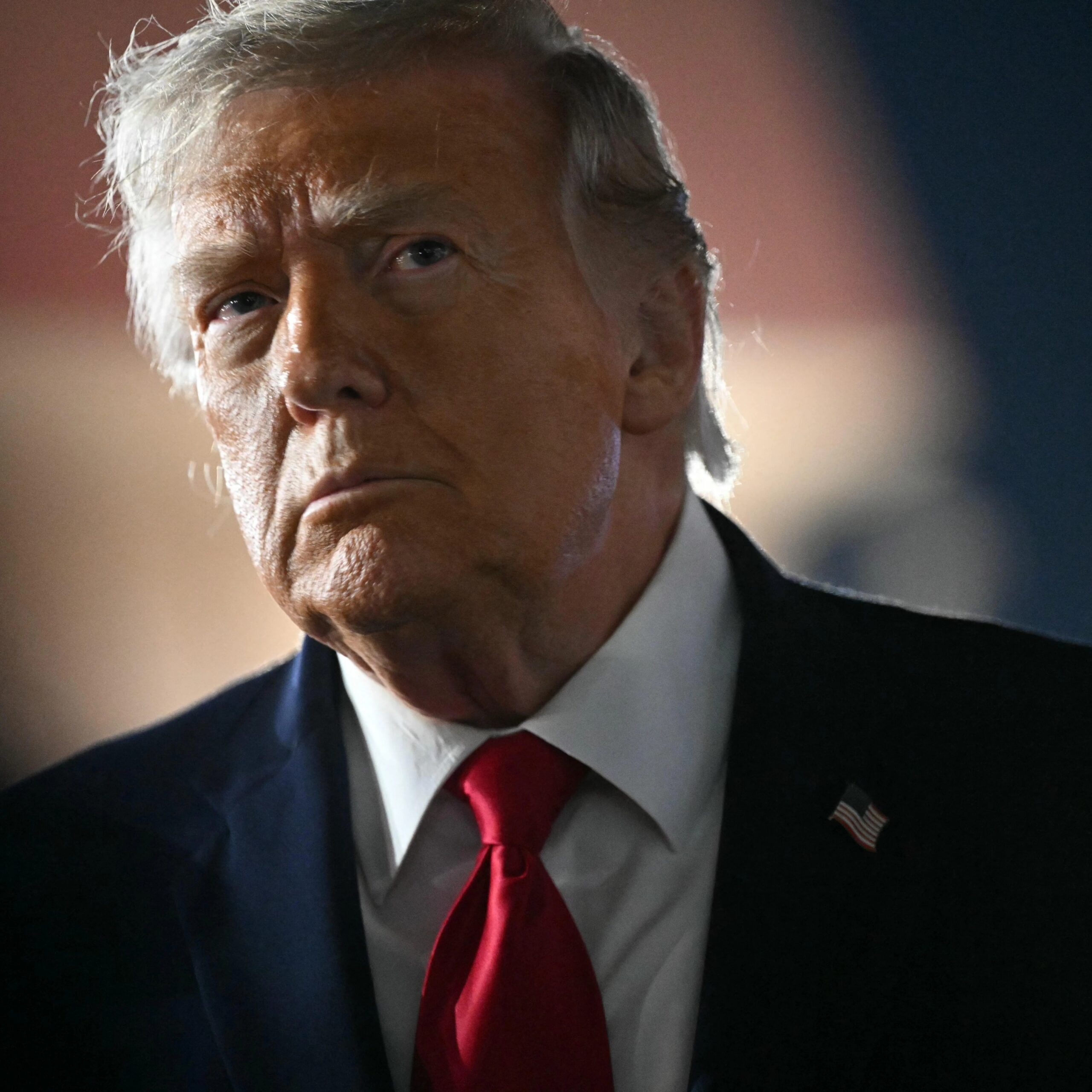
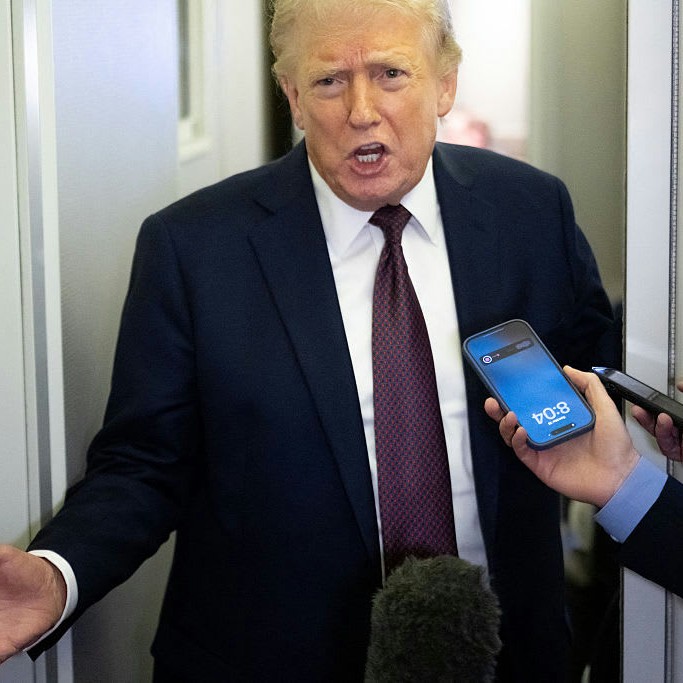
Asked by PBS NewsHour White House correspondent Liz Landers about the defeat, President Trump singled out Senate President Pro Tempore Rodric Bray, a Republican, for criticism. “I heard he was against it,” Trump said, adding, “He’ll probably lose his next primary, whenever that is. I hope he does, because he’s done a tremendous disservice.” Trump later said he would “certainly support anybody who wants to go against him.”
Indiana Republican Senate Voted AGAINST President Trump’s Redistricting Efforts
President Trump says the piece of shit leading the effort was Republican Senator Rodric Bray, and says he wants him primaried ASAP. He has a primary coming up in two years and I think he’ll go down.… https://t.co/WuKCni6wPk pic.twitter.com/G9IPAcQWop
— MJTruthUltra (@MJTruthUltra) December 12, 2025
In a written statement released after the vote, Bray said Senate Republicans still want to see a GOP majority in Congress in 2026, but disagreed over tactics. “The issue before us today was how to get there,” he said, adding that many in his caucus doubted that redrawing Indiana’s congressional map mid-cycle was a “guaranteed way” for either the state or the country to reach that goal.
What It Means for You
For many voters, redistricting can feel distant, but the districts on a map help decide which party controls Congress and how closely your representative reflects your community. The Indiana vote shows that even in solidly Republican states, there are limits to how aggressively some lawmakers are willing to redraw lines, especially mid-decade.
Trump’s threat to back a primary challenge against a senior Republican figure sends a signal to other GOP officials watching from around the country. Similar clashes could surface elsewhere as parties weigh legal risk, public perception, and internal loyalty tests heading into 2026.
For everyday voters, the story is a reminder to pay attention not just to candidates, but also to how district boundaries are set-and who is making those decisions in state legislatures and courts.
Sources
PBS NewsHour report and on-camera remarks by President Donald Trump, Dec. 11, 2025; public statement by Indiana Senate President Pro Tempore Rodric Bray, Dec. 11, 2025.
Discussion
How closely do you follow redistricting decisions in your own state, and what would make these debates feel more relevant to you?