

TL;DR
The UK says it will not sign on, for now, to President Donald Trump’s new Board of Peace, citing concerns over Vladimir Putin’s potential participation while Russia’s war in Ukraine continues.
Why This Matters
The decision underscores how the war in Ukraine continues to shape wider global diplomacy. London has been one of Kyiv’s strongest backers, supplying weapons, training and financial aid. Allowing Russia’s president a high-profile role on a new peace body, without signs of movement on Ukraine, is seen in the UK as politically and morally difficult.
The Board of Peace is being presented by Washington as a new international organisation to manage conflicts, initially tied to rebuilding Gaza and shaping its future governance. But leaked charter language shows far broader ambitions, including peace-building roles that could overlap with parts of the United Nations system. How major powers respond will determine whether this becomes a central forum or a more limited coalition.
For U.S.-UK relations, the move comes just as the two governments navigate tensions over President Trump’s earlier tariff threats linked to Greenland and wider European trade. It highlights a more transactional phase in transatlantic ties, where even close allies weigh legal risks, public opinion and long-term security interests before signing on to U.S.-led initiatives.
Key Facts & Quotes
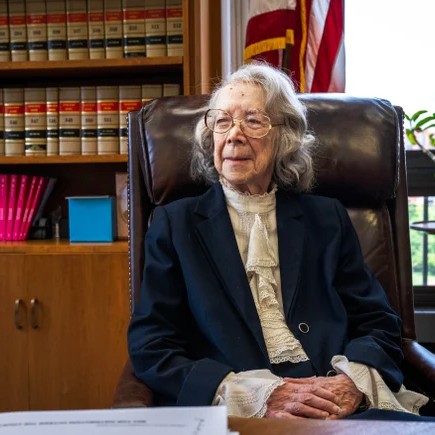
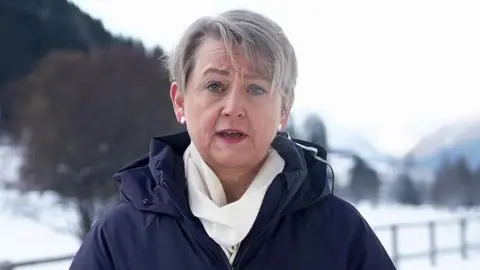
UK Foreign Secretary Yvette Cooper said the government had been invited to join the Board of Peace but “won’t be one of the signatories today,” speaking from the World Economic Forum in Davos.
Cooper described the initiative as “a legal treaty that raises much broader issues” than its original focus on ending the Israel-Hamas war in Gaza. She added that the UK supports President Trump’s 20-point Gaza peace plan and wants to play its part in a second phase of the Gaza process.
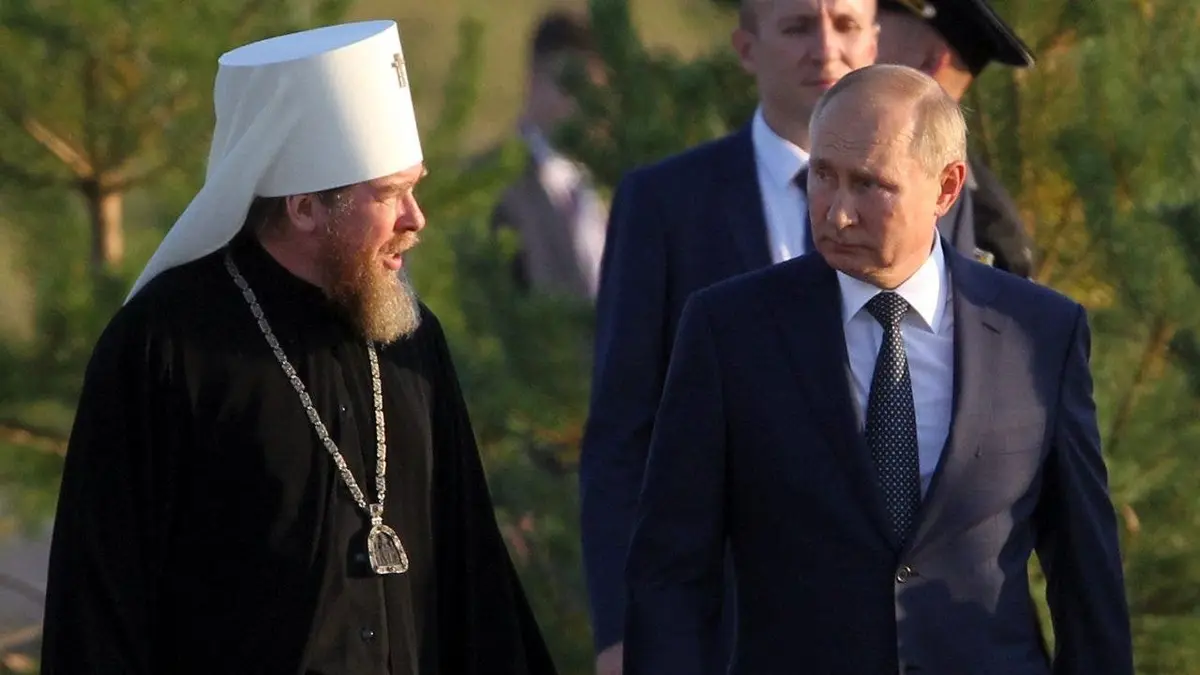
Her main concern, she said, is the possible role of Russian President Vladimir Putin while fighting continues in Ukraine. “We do also have concerns about President Putin being part of something that’s talking about peace when we’ve still not seen any signs from Putin that there will be commitment to peace in Ukraine,” Cooper said.
The Board of Peace charter, circulated by the White House to governments, describes it as “an international organisation that seeks to promote stability, restore dependable and lawful governance, and secure enduring peace in areas affected or threatened by conflict.” It gives Trump, as chair and U.S. representative, wide authority to appoint an executive board and create or dissolve subsidiary bodies.
The charter would take effect once three states formally join, with renewable three-year memberships and permanent seats for countries contributing $1 billion. Early supporters include Saudi Arabia, Turkey, Egypt, Israel, Pakistan and Qatar, and the Vatican has confirmed the Pope has received an invitation.
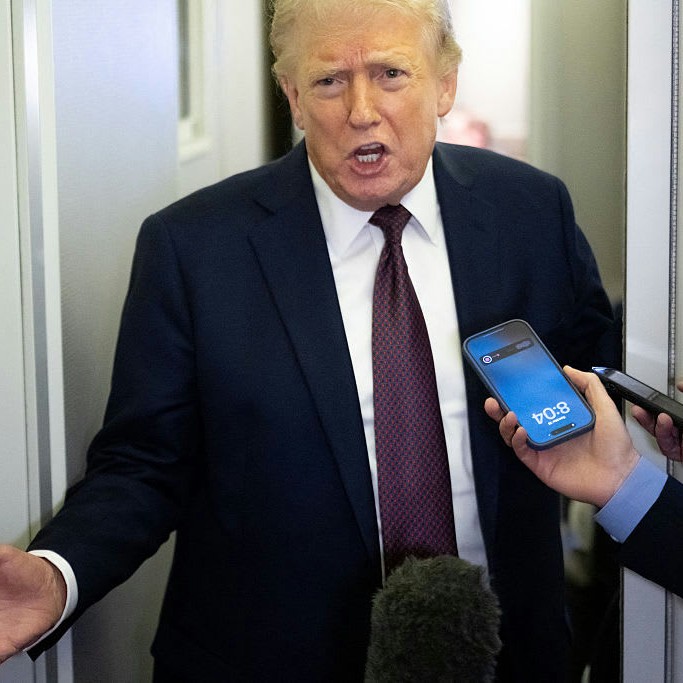
Launching the board at Davos, Trump called it “one of the most consequential bodies ever created” and said it was not meant to replace the UN, but to help secure “everlasting” peace in the Middle East. He also said Putin had accepted an invitation, though Moscow has publicly said it is still studying the proposal.
President Trump was joined by the leaders and representatives of 19 countries for the Board of Peace signing ceremony. https://t.co/XNXHHybu6y pic.twitter.com/hzZOvScsPL
— PB (@ParisBloom8) January 22, 2026
The UK’s hesitation comes as London and Paris reaffirm a declaration of intent to deploy troops to Ukraine if a future peace deal with Russia requires it, and as Trump prepares to meet Ukrainian President Volodymyr Zelensky in Davos.
Sources: Public remarks by UK Foreign Secretary Yvette Cooper in Davos (Jan. 22, 2026); statements by President Donald Trump at the World Economic Forum in Davos (Jan. 22, 2026); draft Board of Peace charter language circulated to governments in January 2026.
What It Means for You
For many readers, the latest update on the Board of Peace is less about treaty text and more about what it signals: a shifting world order in which new institutions may compete with or complement the UN and NATO. If the board gains traction without backing from key Western allies like the UK, it could deepen geopolitical splits over how and where “peace” is negotiated.
The UK’s stance also reflects a wider debate: should governments work with rival powers like Russia inside shared structures, or hold back until there is concrete progress on conflicts such as Ukraine? Outcomes here could influence how quickly wars end, how reconstruction money flows to places like Gaza and Ukraine, and how stable energy and security arrangements are for Europe and the U.S.
Do you think countries should join new peace bodies that include Russia while the war in Ukraine is still ongoing, or hold back until there is a formal settlement?