



TL;DR
Ukraine’s allies gathered in Paris to shape postwar security guarantees, but shifting U.S. priorities and firm Russian demands leave progress uncertain.
Why This Matters
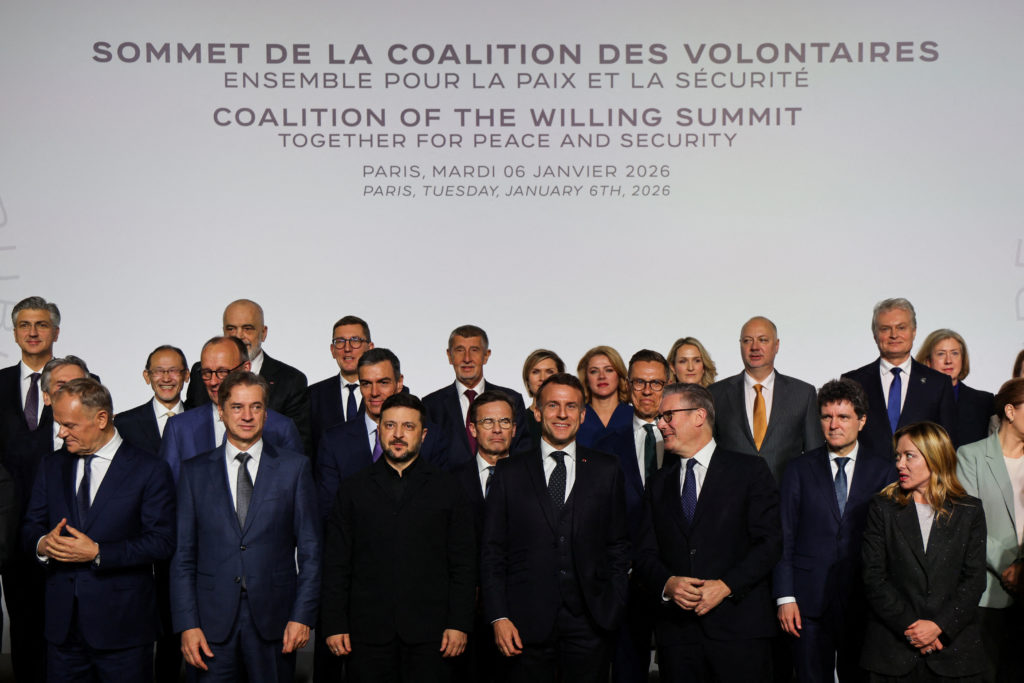
The Paris meeting brings together dozens of leaders to answer a central question in global news: what security Ukraine will have if the current war with Russia stops. After nearly four years of fighting, the talks aim to design long-term guarantees that could deter future Russian attacks and stabilize Europe’s eastern flank.
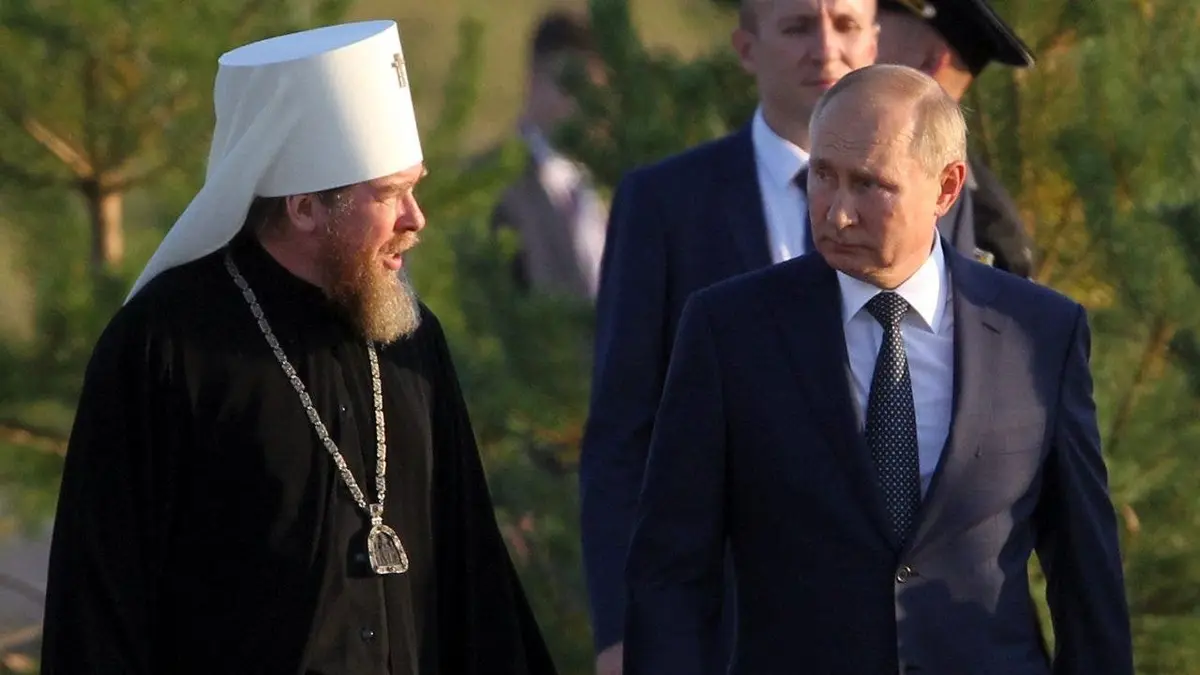
France, the United Kingdom and other partners are exploring a package that could include training, weapons and possible deployments by a multinational force away from Ukraine’s front lines. These discussions come as Russia insists it will not accept a ceasefire without a full political settlement and has ruled out any NATO troops on Ukrainian soil.
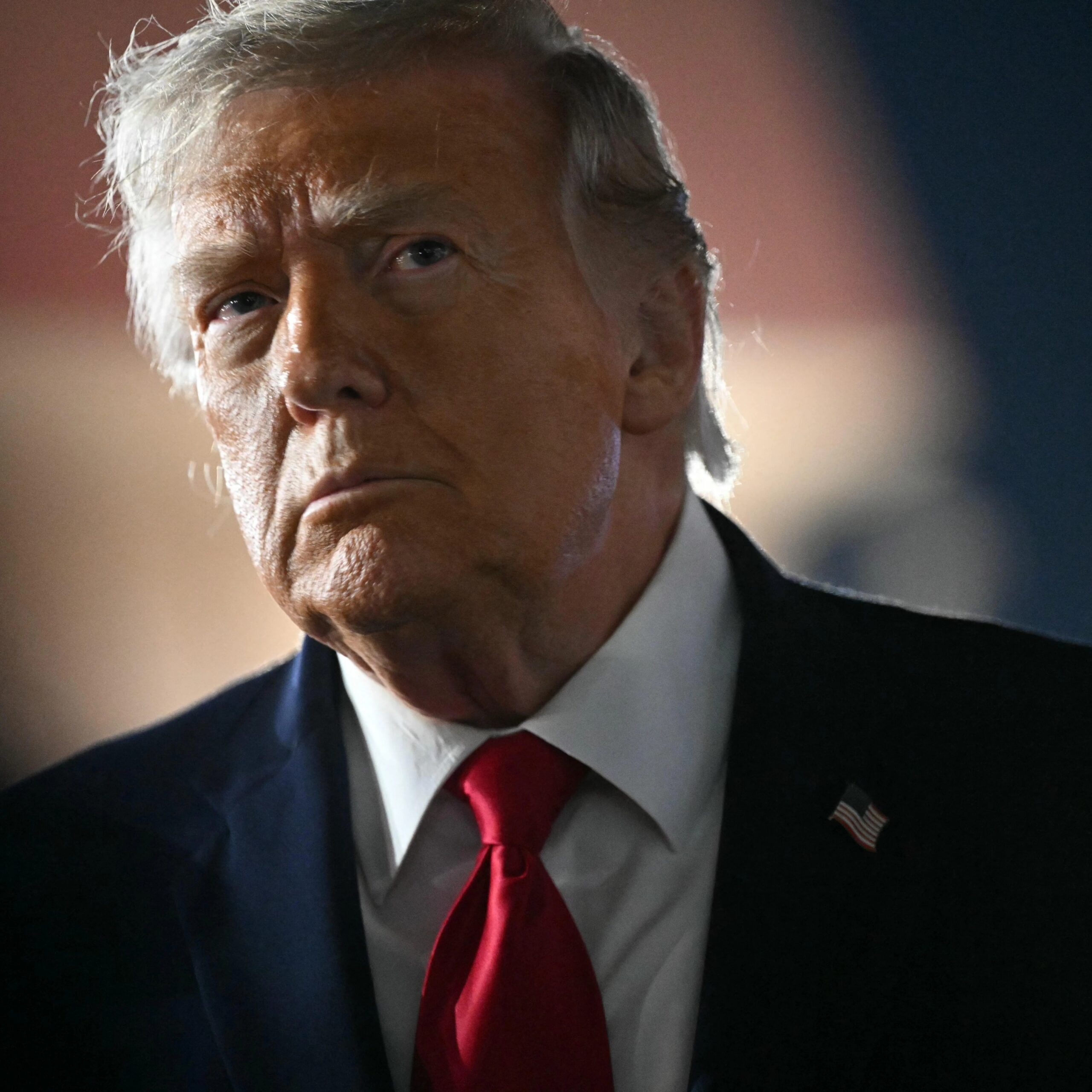
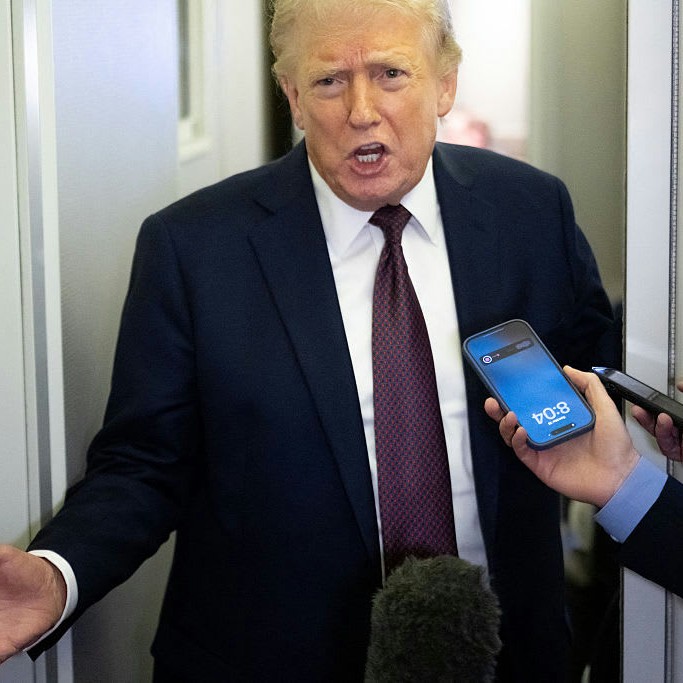
The talks are further complicated by shifting U.S. attention. A recent U.S. military operation targeting Venezuelan leader Nicolas Maduro and renewed comments by former President Donald Trump about taking control of Greenland have raised questions in Europe about Washington’s focus and reliability. For countries that depend on U.S. power to deter Russia, any doubt about American commitment could affect both the pace and the substance of security guarantees for Kyiv.
Key Facts & Quotes
Leaders and senior officials from 35 nations, including 27 heads of state and government, met in Paris on Tuesday for what France has called an unprecedented gathering of Ukraine’s backers. French President Emmanuel Macron said in a Dec. 31 address that allies would “make concrete commitments” to “protect Ukraine and ensure a just and lasting peace.”
The informal “coalition of the willing” has been working for months on how to deter any renewed Russian offensive if active fighting stops. According to the French presidency, participants are focusing on five priorities once the war ends: monitoring a ceasefire, sustaining Ukraine’s armed forces, deploying a multinational force on land, at sea and in the air, setting responses to any new Russian aggression, and building long-term defense cooperation with Kyiv.
Ukrainian President Volodymyr Zelenskyy met Macron before the summit. Military chiefs from France, Britain and Ukraine, along with NATO’s top commander, U.S. Gen. Alexus G. Grynkewich, discussed how to translate political pledges into concrete security measures. Army chiefs from other coalition members joined by video link.
Ukraine seeks firm commitments from Washington as a foundation for broader support. U.S. envoys Steve Witkoff and Jared Kushner held preparatory talks in Paris; Secretary of State Marco Rubio was initially expected to lead the U.S. delegation but changed plans after the U.S. operation in Venezuela. In a Dec. 31 post, Witkoff said recent talks with European and Ukrainian national security advisers focused on “strengthening security guarantees and developing effective deconfliction mechanisms to help end the war and ensure it does not restart.”
Today, January 6, 2026, US envoys Steve Witkoff and Jared Kushner arrived at the Élysée Palace in Paris to participate in a high-stakes summit on the future security of Ukraine. Despite their arrival, progress remains uncertain due to the shift in US attention to Venezuela. pic.twitter.com/Dok03wDGlf
— Real News (@DrNeculai) January 6, 2026
Inside Ukraine, fighting continued. The Security Service of Ukraine (SBU) carried out long-range drone strikes on a military arsenal in Russia’s Kostroma region and an oil depot in the Lipetsk region, according to a Ukrainian security official speaking on condition of anonymity. The arsenal was described as a key logistics hub supplying ammunition to western and central Russia.
European politics also weighed on the summit. Trump renewed calls for the United States to take control of Greenland, a mineral-rich Arctic territory within the kingdom of Denmark. Leaders of major European countries joined Danish Prime Minister Mette Frederiksen in publicly defending Greenland’s sovereignty, even as they acknowledged the continent’s reliance on U.S. military power to back up any guarantees for Ukraine.
What It Means for You
For people in the United States, the Paris talks are another sign that decisions made overseas can shape security and economic conditions at home. Stronger guarantees for Ukraine may require sustained U.S. military aid, intelligence sharing and training commitments, which can influence federal spending priorities and congressional debates.
How the United States balances its involvement in Europe with new operations, such as the intervention in Venezuela, will be watched closely by allies and rivals. The outcome could affect NATO unity, the risk of wider confrontation with Russia and, indirectly, energy markets and prices.
Ukraine’s preference for firm, long-term guarantees rather than a fragile ceasefire also means the conflict’s end may not come quickly, even if large-scale fighting eventually slows. For U.S. voters and taxpayers, the key questions ahead are how long and on what terms Washington should remain deeply engaged in European security.
Sources: Official statements and briefings from the French presidency and Ukrainian government, Dec. 31, 2025-Jan. 6, 2026; public remarks and social media posts by U.S. envoy Steve Witkoff and President Volodymyr Zelenskyy over the same period; accounts from security officials in Ukraine.
What kind of long-term support for Ukraine do you think the United States should prioritize, if any, as leaders debate future security guarantees?