



TL;DR
Ukrainian units in Pokrovsk say they still hold the city’s north and raised a flag on camera to dispute Russia’s claim that the strategic Donbas hub has fallen.
Why This Matters
The battle for Pokrovsk, a logistics hub in eastern Ukraine’s Donetsk region, has become a symbol of the wider war’s grinding nature and of the information struggle around it. Moscow says its forces have taken the city. Ukrainian commanders insist they still control the northern sector and are launching strikes inside urban areas now largely in ruins.
For Ukraine, even a partial hold on Pokrovsk is about more than territory. Officers interviewed near the front say they fear that if allies believe the city has already fallen, military and financial support from Europe and the United States could weaken. They argue that proving continued resistance is essential to maintaining outside backing at a time when both armies are exhausted and casualties are high.
The city also sits on transport routes deeper into Donbas. If Russia consolidates control, it would gain another stepping stone toward its stated aim of taking the entire region. That raises questions for NATO countries about how long they are prepared to support Ukraine and what a potential future settlement might look like if front lines continue to shift slowly but violently.
Key Facts & Quotes
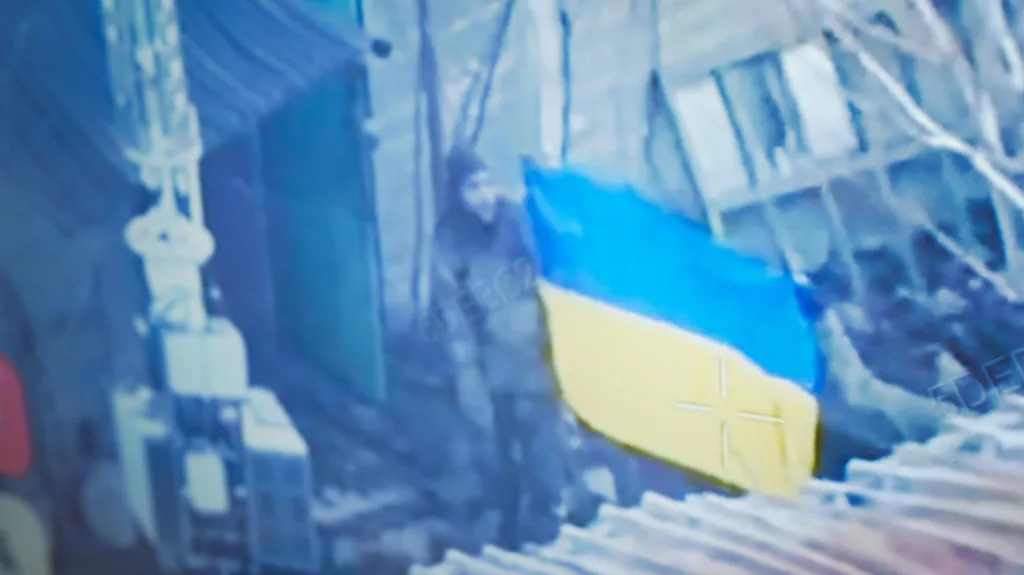
Frontline accounts from Ukrainian units operating in and around Pokrovsk describe a drawn-out fight of nearly 18 months in a city already heavily damaged. A commander from the Skala Assault Regiment, identified by the call sign Yuri, invited journalists to observe real-time drone feeds from a command post behind the lines. At his request, two soldiers briefly emerged from cover inside the city to wave a Ukrainian flag, visible on the drone video, as visual proof that Ukrainian forces still hold ground there.
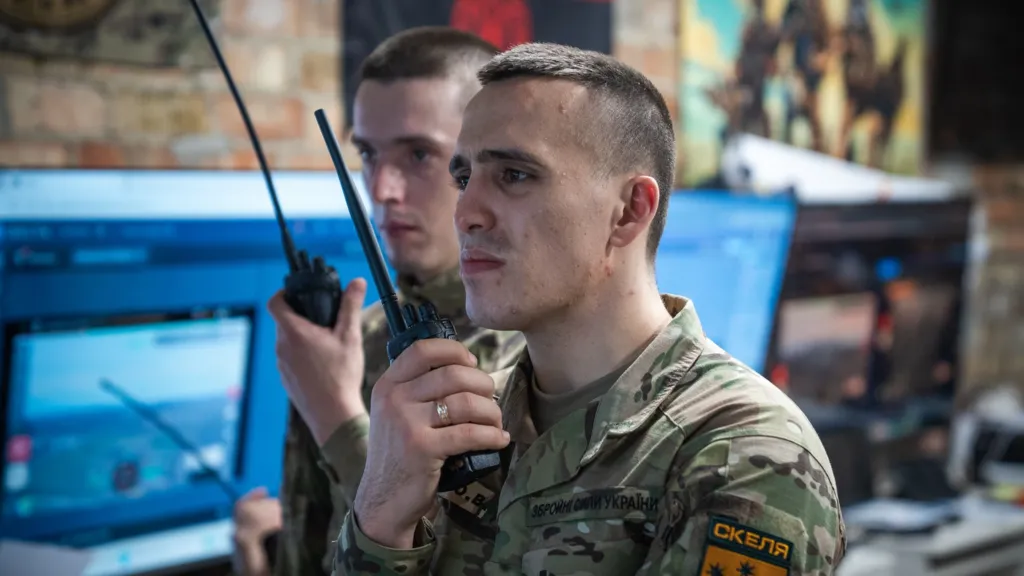
“You’ve now seen it with your own eyes,” Yuri said, adding: “I think the whole world should know we will not just give up our territory. If we do not show this, everyone will lose faith and stop helping Ukraine.”
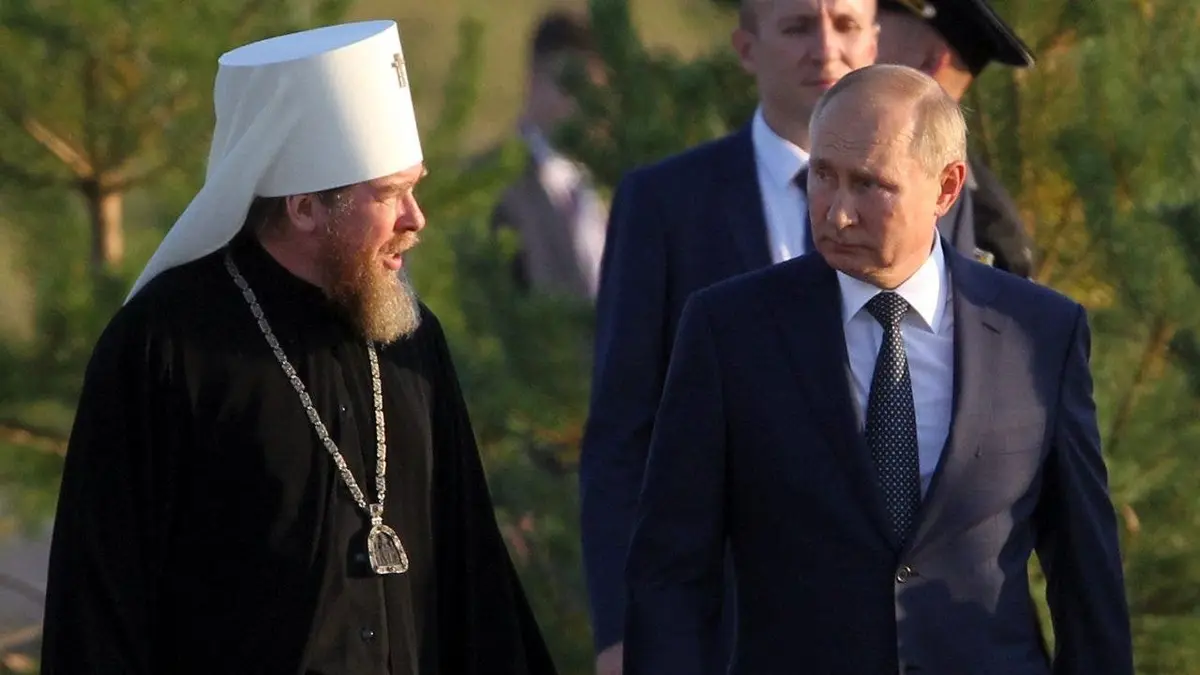
Russian President Vladimir Putin has publicly claimed that Russian troops have taken Pokrovsk, framing it as a further step toward full control of the Donbas. Ukrainian officers counter that while Russia has advanced from the south, their forces retain positions in the north up to a railway line that cuts through the city.
Despite Russian propaganda claims, Pokrovsk is still not fully controlled by Russia. Commander in Chief of the Armed Forces of Ukraine Oleksandr Syrskyi reported that Ukrainian units continue to hold the northern part of Pokrovsk and are actively preventing Russian forces
1/10 pic.twitter.com/dynOFjgKlP— Artur Rehi (@ArturRehi) December 4, 2025
A battalion commander known as Sasha said Russian troops who penetrate Ukrainian lines are “quickly identified” and usually hit “15 to 20 minutes between detection and destruction.” Another soldier, call sign Rabbit, described the situation as “hard, but under control,” showing documents taken from dead Russian soldiers and a captured machine gun. Asked if many Russian troops had been killed, he replied: “Not enough.”
Soldiers interviewed on the ground say they avoid broader political debates, but a Latvian volunteer and deputy commander, call sign Godfather, warned that if Ukraine loses, “it’s going to be our country next,” urging more decisive support from Europe and the United States. Troops also described constant Russian drone surveillance, including systems with thermal cameras that can see at night, forcing Ukrainians to seek cover and even welcome fog and rain as “good weather” that keeps drones grounded.
These frontline testimonies, along with Putin’s statements, underline that control of Pokrovsk remains disputed and that both sides see the battle as strategically and symbolically important.
What It Means for You
For readers in the United States and other allied countries, the battle for Pokrovsk is a window into how the Ukraine war is evolving: slower, more attritional, and increasingly shaped by drones and artillery rather than rapid territorial gains. It also highlights how claims about which side holds a city are now part of a broader information contest aimed at shaping public opinion and aid decisions far from the front.
As debates continue in Washington and European capitals over long-term military and financial assistance, images of a Ukrainian flag still flying in contested cities may influence how policymakers and voters view the costs and benefits of continued support. If Russian advances in places like Pokrovsk accelerate, pressure could grow for new discussions about security guarantees, NATO’s role, and future peace terms. If Ukraine manages to hold, it may strengthen arguments for sustained backing despite war fatigue.
Question for readers: How do reports from individual cities like Pokrovsk shape your view of what kind of support, if any, your country should continue to provide in this war?