



TL;DR
Ukrainian President Volodymyr Zelenskyy says Kyiv is prepared for new peace talks with the United States and Russia, but is waiting on both to set the next meeting.
Why This Matters
The latest update from Kyiv highlights how efforts to end Russia’s more than four-year-old invasion of Ukraine are now caught up in wider global crises. With Washington focused on the fast-moving Iran war in the Middle East, talks that could shape the future of European security and U.S.-Russia relations are on hold. That delay affects not only Ukrainians on the front lines but also NATO planning, U.S. defense spending, and the stability of energy markets.
The Ukraine conflict has already driven up food and fuel costs worldwide and tested Western unity through repeated aid packages and sanctions decisions. Now, tensions over air defense supplies and a dispute about restarting Russian oil flows through Ukraine to the European Union risk adding new strains. For American readers, what happens in these negotiations will influence how long U.S. support continues at current levels, how exposed Europe is to Russian pressure, and whether Washington can manage several major security crises at once.
Key Facts & Quotes
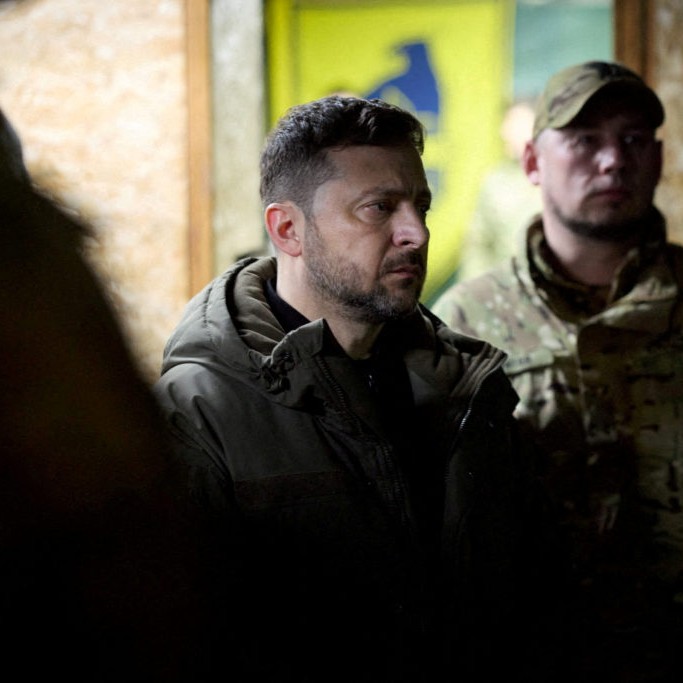
In comments released Sunday and reported by PBS NewsHour, Zelenskyy said Ukraine is ready for the next round of trilateral talks with U.S. and Russian negotiators. He said Washington had offered to host the meeting, involving U.S. envoys Steve Witkoff and Jared Kushner, but that Moscow refused to send a delegation. “We are waiting for a response from the Americans. Either they will change the country where we meet, or the Russians must confirm the U.S,” Zelenskyy told journalists. “We are not blocking any of these initiatives. We want a trilateral meeting to take place.”
#Zelenskyy says Ankara prepared to hold trilateral meeting with #Russia and U.S.
⁰Ukrainian President Volodymyr Zelenskyy said Türkiye is ready to host the next round of trilateral peace talks involving Kyiv, Moscow and Washington after a conversation with President Recep… pic.twitter.com/tsjVkIBZSX
— Daily Euro Times (@dailyeurotimes) March 10, 2026
According to Zelenskyy, the U.S.-sponsored talks were recently postponed because of the Iran war, which erupted after U.S.-Israeli strikes on Iran and has since spread across the region. He warned of a “very high” risk that demands from that conflict could drain the air defense systems Ukraine uses against Russian missile attacks. He said he had discussed with French President Emmanuel Macron whether European-made SAMP/T systems could supplement or replace U.S. Patriot batteries, adding that Ukraine would be “first in line” to test any alternative.
Zelenskyy also responded to U.S. President Donald Trump’s recent claim that Washington does not need Ukrainian drone help. He said U.S. military institutions had “several times” requested Ukrainian assistance for unnamed countries and American forces. He described offering a $35 billion-$50 billion defense cooperation package that would open access to technologies from about 200 Ukrainian drone, AI, and electronic warfare firms, with half of production earmarked for partners. On energy, he opposed reopening the Druzhba pipeline to carry Russian oil to Hungary and Slovakia while EU sanctions are in place, calling pressure to resume flows “blackmail” and noting that Hungary’s Prime Minister Viktor Orban has blocked new EU sanctions and a major Ukraine loan over the dispute.
What It Means for You
For many in the United States, Ukraine’s war can feel distant, yet it influences household budgets, markets, and foreign policy debates. Peace talks that stall or collapse could mean a longer conflict, continued pressure on global energy prices, and more calls in Washington for military and financial aid. Any shift in U.S. support will be closely watched by allies who rely on American security guarantees.
The dispute over Russian oil transit and the strain on air defense stockpiles may also affect how Europe weans itself off Russian energy and how much the United States must contribute to NATO’s defense posture. Voters will hear more about these issues as lawmakers weigh additional Ukraine funding, Middle East deployments, and overall defense spending. Following how the U.S. and Russia respond to Zelenskyy’s push for talks offers a window into where global power balances may be heading.
Sources:
- PBS NewsHour/Associated Press report by Susie Blann (Mar. 15, 2026).
- European Commission energy and sanctions documentation (2022-2024).