



TL;DR
Four years after Russia’s full-scale invasion, Ukrainian President Volodymyr Zelenskyy says Vladimir Putin “has not won this war,” as European leaders gather in Kyiv, casualties mount, and peace talks remain stalled.
Why This Matters
The war in Ukraine has become the largest conflict in Europe since World War II, and it is now entering its fifth year with no clear end in sight. What began as a regional invasion has grown into a confrontation that touches energy prices, global food supplies, NATO’s future, and American foreign policy debates.
For U.S. readers, Ukraine is no longer a distant story. Washington has led Western efforts to arm and fund Kyiv, while political divisions over that support have sharpened at home. Decisions in foreign capitals – including Washington, Moscow, Kyiv, and major European cities – now shape not only the battlefield but also the wider security order that has underpinned relative peace in Europe for decades.
The conflict is also driving rapid changes in warfare, especially the widespread use of drones, and setting up a long and costly rebuilding effort that international institutions estimate in the hundreds of billions of dollars. How this war ends, and on whose terms, will influence U.S. alliances, defense spending, and global stability for years to come.
Key Facts & Quotes
Zelenskyy marked the fourth anniversary of Russia’s full-scale invasion by insisting that Ukraine has preserved its statehood despite heavy losses. “We have defended our independence, we have not lost our statehood,” he said on social media, adding that Russian President Vladimir Putin has “not achieved his goals.” He declared, “He has not broken Ukrainians; he has not won this war.”
According to figures cited by the Institute for the Study of War, Russian forces captured just 0.79% of Ukrainian territory over the past year and now control nearly 20% of the country. Still, Ukraine faces relentless aerial attacks that have cut power and water for civilians and turned daily life into a struggle.
Peace efforts are stalled. Talks remain blocked over the status of the Donbas region in eastern Ukraine and over the long-term security guarantees Kyiv is seeking to deter any future Russian attack. Zelenskyy said he expects a new round of U.S.-brokered talks with Russia within 10 days.
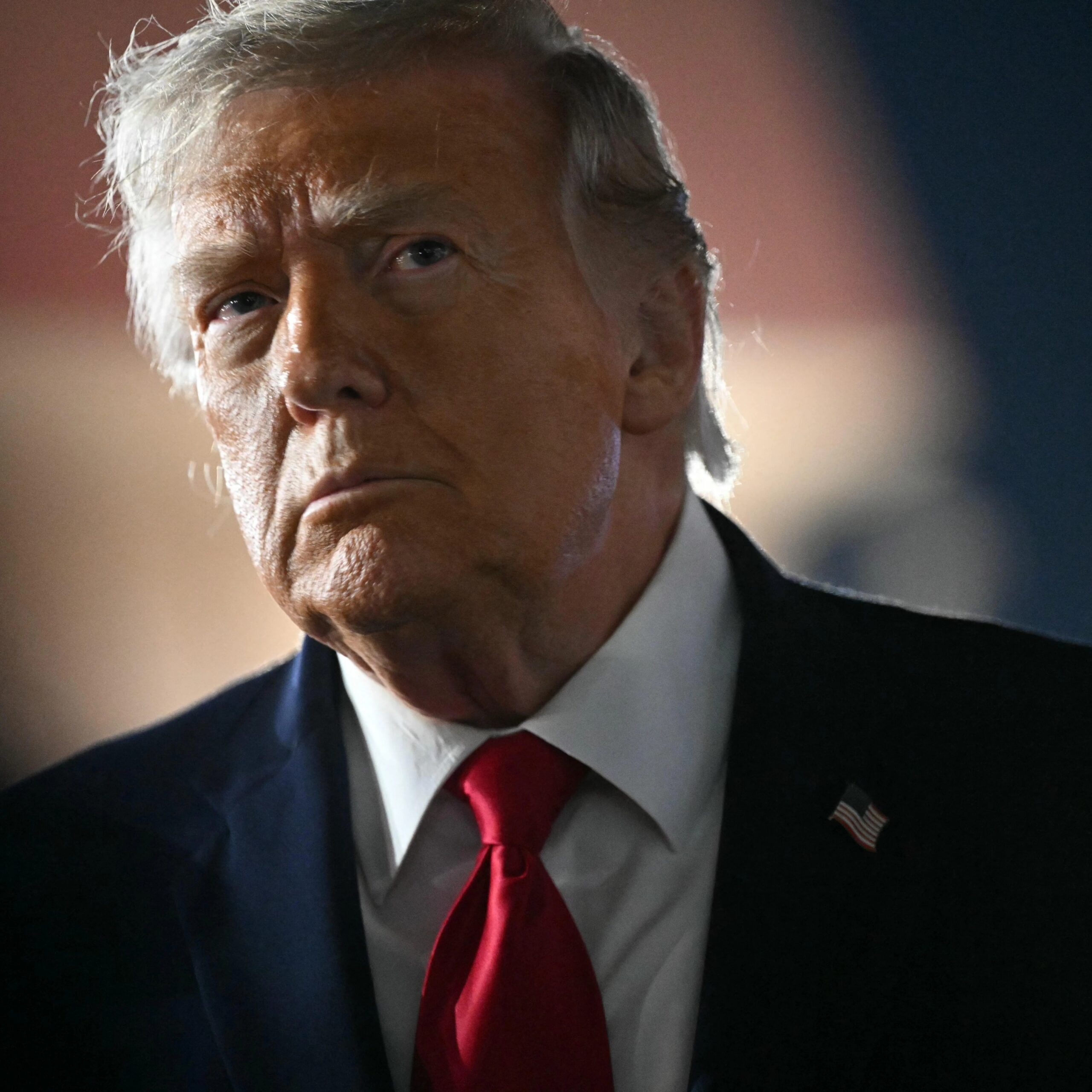
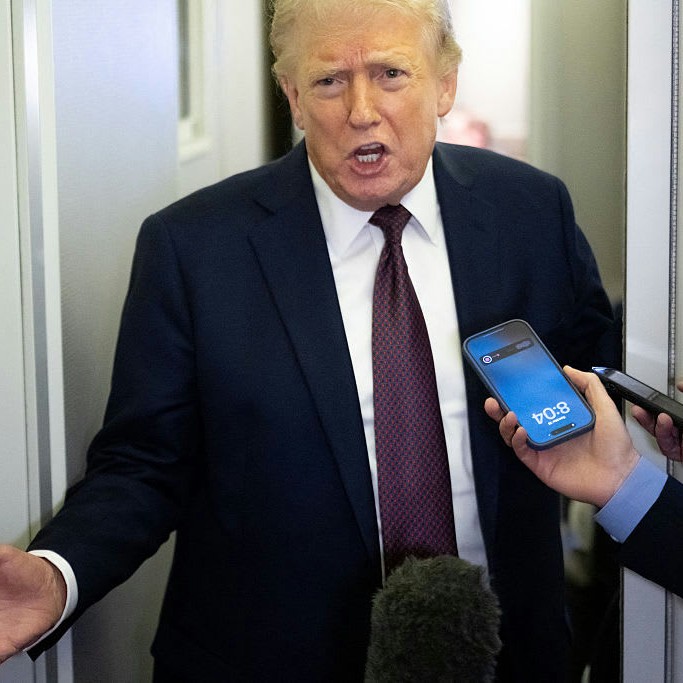
At a memorial in central Kyiv honoring fallen soldiers, Zelenskyy publicly invited U.S. President Donald Trump to visit Ukraine to see the devastation firsthand. “Only then can one truly understand what this war is really about,” he said.
🇺🇦🇺🇸 “PUTIN IS THE WAR”: Zelenskyy Invites US President to Kyiv on the 4th Anniversary of the Invasion
‼️On the exact day marking four grueling years since the full-scale Russian invasion began, Ukrainian President Volodymyr Zelenskyy released a deeply emotional address,… pic.twitter.com/MmAo1mWgz8
— The Battlefield (@TTheBattlefield) February 24, 2026
The human cost is enormous. A recent estimate from the Center for Strategic and International Studies suggested the number of soldiers killed, injured, or missing on both sides could reach 2 million by spring, with Russia suffering the highest troop losses for a major power since World War II.
European leaders underscored that their own security is tied to Ukraine’s fate. German Chancellor Friedrich Merz wrote on X that “for four years, every day and every night has been a nightmare for the Ukrainians – and not just for them, but for us all. Because war is back in Europe.”
French President Emmanuel Macron called the war “a triple failure for Russia: military, economic, and strategic,” saying it has strengthened NATO, unified Europeans, and exposed “the fragility of an imperialism from another age.”
More than a dozen senior European officials, including European Commission President Ursula von der Leyen, European Council President Antonio Costa, and Finnish President Alexander Stubb, traveled to Kyiv for the anniversary. The only American official listed among the guests was Lt. Gen. Curtis Buzzard, the NATO representative in Ukraine.

Western nations have supplied weapons, training, and financial aid, while Russia has drawn support from North Korea, Iran, and, according to U.S. officials and analysts, Chinese industrial and technological assistance. Analysts at the International Institute for Strategic Studies note a “revolution in military affairs,” with drones now responsible for the vast majority of battlefield casualties and both sides struggling to find enough troops.
The World Bank, the European Commission, the United Nations, and the Ukrainian government estimate rebuilding Ukraine will cost nearly $588 billion over the next decade, roughly three times Ukraine’s estimated nominal economic output last year.
What It Means for You
For Americans, the latest update from Ukraine is about more than distant front lines. U.S. policy decisions on military aid, sanctions, and diplomacy affect federal spending, defense priorities, and relations with key European allies. These choices are also becoming a regular point of debate in national politics.
The conflict influences energy and food markets, which can feed into prices at the pump and grocery store. It is also reshaping NATO, with European governments increasing defense budgets and leaning more heavily on U.S. security guarantees.
Looking ahead, key questions include whether Washington and its allies will sustain support for Kyiv, how far Russia is prepared to push its war aims, and what kind of security arrangement might eventually stop the fighting. The longer the war lasts, the greater the eventual reconstruction bill and the broader the impact on global stability.
How do you think the United States should balance its support for Ukraine with other global and domestic priorities in the years ahead?
Sources
- PBS NewsHour / Associated Press report from Kyiv, Feb. 24, 2026.
- Statements by Volodymyr Zelenskyy, Friedrich Merz, and Emmanuel Macron were posted on social media and cited in the same report.
- Estimates and analyses from the Institute for the Study of War, the Center for Strategic and International Studies, and the International Institute for Strategic Studies, as referenced in the report.
- Joint reconstruction assessment by the World Bank, European Commission, United Nations, and Ukrainian government, as cited in the PBS/AP coverage.